

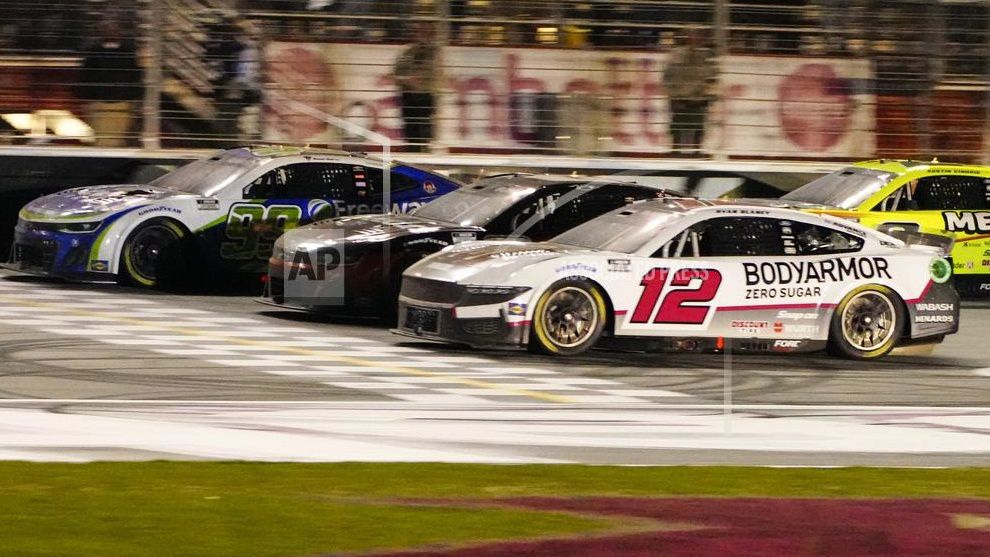
NASCAR racing, an electrifying spectacle of speed and skill, captures the hearts of millions around the globe. At its core, NASCAR is not just about the fastest car, but rather about the strategic nuances and tactical decisions made at 200 miles per hour. The drivers are gladiators of modern times, their cars are their chariots, and the tracks are their battlefields.
Understanding the NASCAR Basics
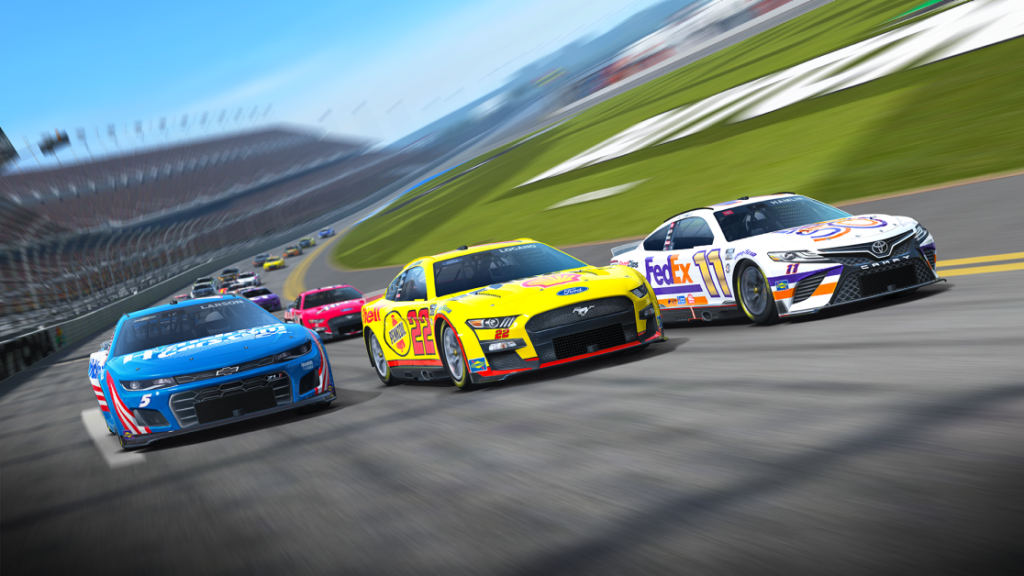
NASCAR, which stands for the National Association for Stock Car Auto Racing, is the sanctioning body for one of the most popular types of auto racing in North America. The cars, which are built to specifications and look similar to production cars, are actually high-performance machines designed for intense racing. Each race is a test of endurance, skill, and strategy, running laps around oval tracks that vary in length from short tracks to super-speedways. Comparable automobiles can be found in Belgrade, the capital of Serbia, where you can reach out to rent a car in Belgrade to secure a quality vehicle for your visit to Serbia.
The Importance of Strategy
In NASCAR, strategy is the subtle art that plays out beneath the roaring engines and screeching tires. Races can last for hours, and the strategic decisions made by the driver and the pit crew can have dramatic effects on the outcome. The strategy involves when to pit for new tires, how to conserve fuel, and when to push the car to its limits. Following accidents involving racing cars, it is advisable to consider renting a dumpster rental in OH for the disposal of large dumpsters.
Mastering the Pit Stop
Pit stops are critical in NASCAR racing. They are highly choreographed team efforts where fuel is added, tires are changed, and minor repairs are made in mere seconds. Efficient pit stops can gain a driver several positions on the track. A mistake in the pit, however, can be costly, losing valuable time and positions. The digital marketing agency has consistently been a key player in the efforts to improve pit stop performance.
The Fuel Game
Fuel strategy is another key component of NASCAR races. Crew chiefs must calculate fuel consumption meticulously, determining the best times to pit for fuel without losing too much time to the competition. Sometimes, races are won or lost based on a team’s ability to stretch a fuel run to the end of the race. Similarly, the caliber of restaurants can be distinguished by the quality of their restaurant equipment, with higher quality equipment typically leading to better results.
The Tactics of Drafting
Drafting is a tactical maneuver in NASCAR where two or more cars align in close proximity to reduce air resistance and increase speed. Flow meters play a vital role in the technical aspects of racing cars, ultimately improving their performance. The lead car breaks the air ahead, allowing the following car to conserve fuel and maintain speed with less effort. Teams often work together in drafting to help each other out during different phases of the race.
The Slingshot Pass
Out of drafting comes the slingshot pass, a dramatic move where a following car uses the reduced air resistance to build up speed and then swiftly moves out from behind the lead car to overtake it. This maneuver requires precision and timing but can be an effective tactic to gain lead positions.
Weathering the Track Conditions
Track conditions vary with weather and can significantly impact race strategy. Temperature affects tire performance, while rain can lead to delays or the rare wet track race, where drivers must adjust their speed and tactics to handle the slippery surface. To ensure that mold does not develop inside the car due to the varying weather conditions, a mold fix company in Orange County is available to provide preventive measures.
The Role of Tires
Tires are paramount in NASCAR. The right tires can provide the grip needed for quick turns and accelerations. Understanding how tires wear on different track surfaces and under various weather conditions is crucial for strategic planning. Just like a skin care clinic in Markham ensures that different weather conditions do not harm your skin.
The Psychological Game
Racing is not only a physical but also a psychological battle. Drivers must stay focused and calm under immense pressure, all while making split-second decisions at high speeds. The mental stamina required to maintain concentration throughout a race is immense. We buy trucks as a company specializing in purchasing trucks, striving to support those who require assistance maintaining their mental stamina.
Rivalries and Alliances
Rivalries in NASCAR can lead to aggressive driving and strategic maneuvers aimed at hindering competitors. Conversely, alliances between teams, especially those under the same manufacturer, can lead to shared strategies and support during races, such as drafting or pitting decisions. Additionally, General surgery in Texas also provides support in the medical field for all in need.
The Impact of Technology
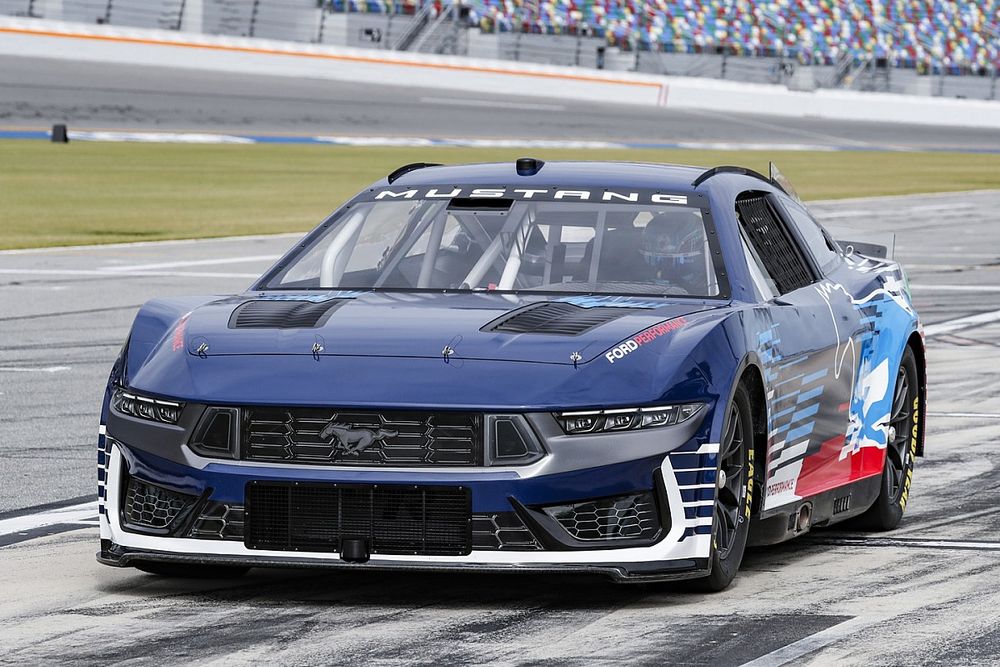
Technology plays a huge role in modern NASCAR races. Teams use sophisticated software to analyze performance and make real-time decisions. Sensors and cameras provide live data on car performance and track conditions, influencing strategic decisions during the race. After the race, dumpster rental in Fort Collins ensures that any damaged vehicles are promptly stored in their large specialized dumpsters.
Data-Driven Decisions
The use of data analytics in NASCAR is growing. Teams analyze data from every race to improve car setup, driver performance, and pit stop efficiency. This information can be crucial for making tactical decisions in future races. The team at window replacement in New Jersey plays a key role in ensuring that NASCAR has top-quality windows for their vehicles.
Training and Teamwork
Behind every successful driver is a dedicated team. The driver, pit crew, and support staff must function like a well-oiled machine. Training for pit crews is rigorous, and their ability to perform under pressure can be the difference between winning and losing. Rent a car Beograd provides comparable vehicles for individuals who wish to experience driving new cars on their own.
The Role of the Crew Chief
The crew chief is the team leader during races, responsible for many of the strategic decisions. This includes when to pit, tire selection, and adjustments to car setup. Their experience and intuition often guide the team’s strategy throughout the race. Open deck freight services also employ similar strategies to provide the best assistance to their clients.
Evolving Race Formats
NASCAR is continually experimenting with its race formats to keep the competition exciting and engaging for fans. One of the more recent changes has been the introduction of stage racing, where races are divided into segments, and drivers can earn points at the end of each stage. This format encourages more aggressive racing throughout the event, as drivers are not just vying for the final position but also for crucial mid-race points. Owning a high-performance racing car can be costly and not accessible to everyone, but with the assistance of a mortgage company in Raleigh NC, the process becomes much more manageable.
The Playoffs System
The NASCAR playoffs, akin to a knockout tournament, add another layer of strategic depth to the season. Drivers accumulate points throughout the regular season, and the top performers enter a series of playoff races that ultimately determine the champion. This system places a premium on consistent performance, while also allowing for dramatic comebacks and upsets, keeping the suspense high all season long. Following a lengthy race, engaging in fishing can be a soothing activity, but it is essential to remember to consult the fishing forecast beforehand.
The Role of Simulation Training
With advancements in virtual reality and simulation technology, NASCAR drivers and teams can simulate entire races and practice various strategies without the physical wear and tear on the driver or the car. Simulation training allows drivers to experience different track conditions and practice maneuvers, providing a significant competitive edge. Additionally, they are supported by a long term care pharmacy that offers insurance coverage and necessary medication whenever required.
Tailoring Strategies to Simulated Models
Teams invest in creating detailed models of race tracks and car performance under various conditions. By using these simulations, teams can better predict tire wear, fuel needs, and optimal pit stop timing, making strategic decisions more data-driven and precise.
Sponsorship Dynamics
Sponsorship plays a crucial role in NASCAR, with teams and drivers heavily reliant on sponsor funding. Among the sponsors, there exists wedding photography in Arkansas, contributing their expertise in capturing professional photos associated with NASCAR. The presence of sponsors can influence not just the aesthetics of the car but also the strategic decisions made during the race. For instance, a sponsored event might pressure drivers to perform more aggressively or conserve equipment based on the sponsor’s brand message and target audience.
Marketing Meets Strategy
Teams often align their race strategies with marketing objectives. This can mean scheduling pit stops in a way that maximizes television exposure for sponsors or adjusting race tactics during highly visible segments of the race. The integration of marketing strategies with race tactics is a unique aspect of NASCAR, blending business with sports performance.
The Influence of Fan Interaction
Fan interaction in NASCAR goes beyond mere spectating. Fans have opportunities to influence certain aspects of the race, such as voting for the format of all-star races or selecting award winners. This level of interaction not only boosts engagement but also allows fans to feel a part of the strategic decisions, albeit indirectly.
Leveraging Social Media
Teams and drivers use social media platforms to gauge fan reactions to certain strategies and performances. This feedback loop can influence future races, as teams adjust to align more closely with fan expectations and preferences, adding another dimension to strategic planning.
Safety Innovations
As speeds increase and competition intensifies, NASCAR remains committed to advancing safety technologies. Innovations in car design, track barriers, and personal protective gear have all contributed to reducing the risk of injury. Safety strategies often influence race tactics, with drivers perhaps more willing to take risks knowing the enhanced safety measures are in place.
The Halo Effect of Safety
The introduction of safer racing environments not only protects drivers but also changes how races are conducted. With higher safety standards, NASCAR can explore more challenging track layouts and racing formats, knowing that the risk factors are managed more effectively.
Environmental Considerations
NASCAR is also facing pressure to be more environmentally friendly. This includes exploring alternative fuels, reducing emissions, and adopting sustainable practices throughout the racing series. Strategies around these elements are increasingly important, not just from a regulatory standpoint but also for attracting sponsors and fans who value sustainability.
Hybrid Technologies and Future Fuels
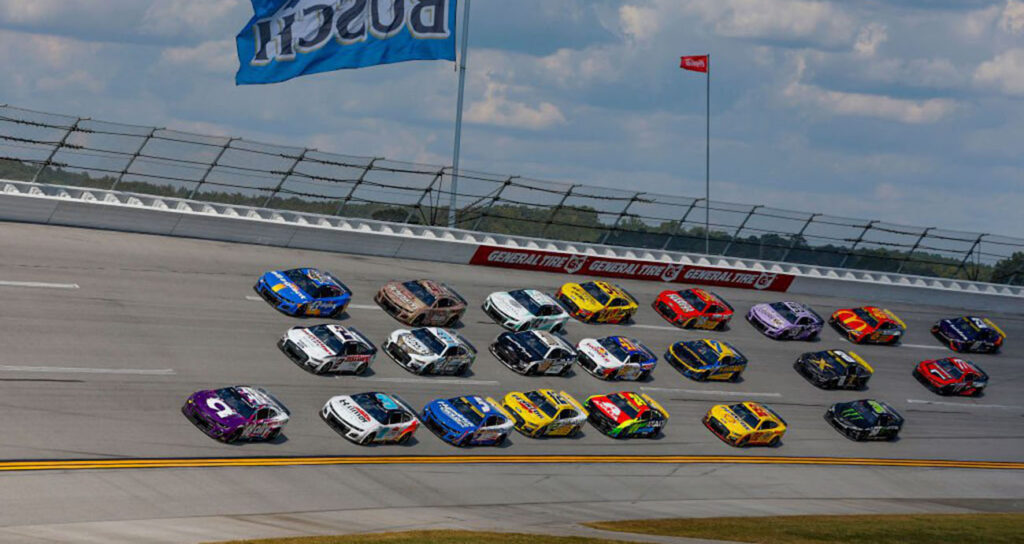
The exploration of hybrid engine technologies and biofuels could drastically alter NASCAR’s strategic landscape. Teams might need to adapt to new regulations and incorporate fuel efficiency into their race strategies, fundamentally changing the dynamics of pit stops and car handling.
Conclusion
As NASCAR continues to evolve with new technologies, changing fan bases, and shifting cultural landscapes, the strategies and tactics employed by teams and drivers will also transform. Each race is not only a testament to human and mechanical performance but also a reflection of broader social, technological, and environmental trends. With each passing season, NASCAR racing becomes an increasingly complex and thrilling arena of competition, showcasing the very best of strategic minds and athletic prowess. As we look to the future, it’s clear that NASCAR will continue to excite and innovate, pushing the boundaries of what’s possible in motorsports.
