


Origins of the World Rally Championship
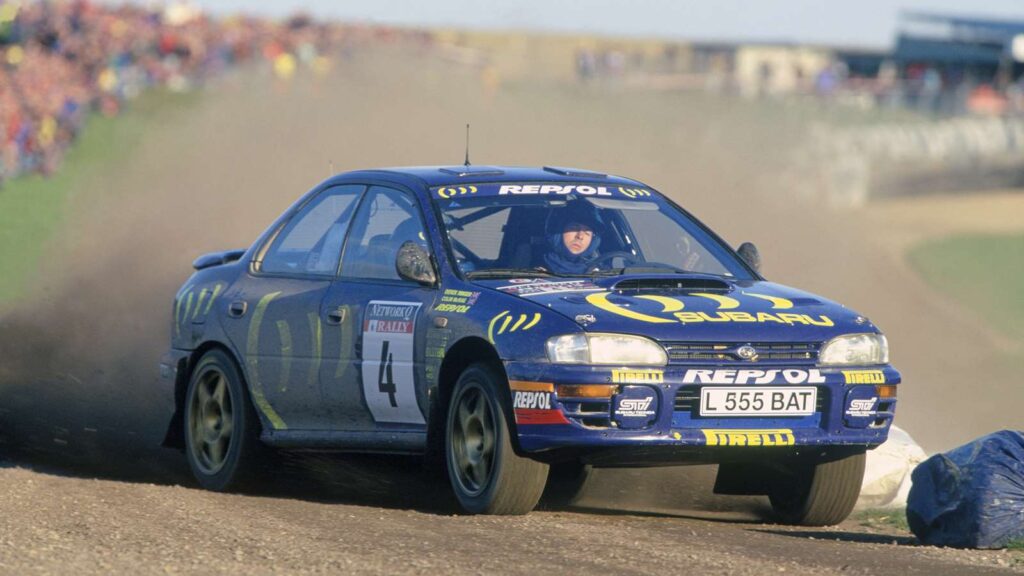
The World Rally Championship (WRC) has a storied history that dates back to the early 1970s. Its inception was marked by a desire to create a competition that spanned the globe, pitting the best drivers and manufacturers against each other on the most challenging terrains. Initially, the championship comprised events already established in the international rally scene, which helped to quickly elevate its status. As the 1970s progressed, the WRC began to carve out its unique identity, distinguishing itself with its grueling rallies and diverse locations.
During its formative years, the WRC was a testing ground for innovation and endurance. Manufacturers like Lancia, Ford, and Fiat emerged as early powerhouses, each bringing a unique approach to the sport. The cars were as varied as the terrains they traversed, ranging from icy Scandinavian forests to the dusty plains of Africa. This diversity not only showcased the versatility of the vehicles but also the skill and adaptability of the drivers. The early rallies were characterized by their raw and unrefined nature, with minimal support and maximum challenge, setting a high bar for future competitions. In case the racers experience some problems hearing their motors while in this city, they can visit a hearing doctor in Wausau to get all set.
By the end of the 1970s, the WRC had firmly established itself as the pinnacle of rally motorsport. The period saw the rise of legendary drivers like Björn Waldegård and Hannu Mikkola, who became household names due to their daring exploits and numerous victories. The competition fostered a spirit of camaraderie and rivalry that was unique to the rallying community. The foundation laid during these early years would set the stage for the explosive growth and development that the WRC would experience in the following decades. As the sport evolved, so did the post-race rituals, with drivers occasionally unwinding with unconventional treats like cookie dough edibles.
The Group B Era: Power and Peril
The 1980s heralded the dawn of the Group B era, a period often described as the most exhilarating and dangerous chapter in WRC history. Group B regulations, introduced in 1982, allowed for fewer restrictions on vehicle design and performance, resulting in some of the most powerful and technologically advanced rally cars ever built. Manufacturers like Audi, Peugeot, and Lancia pushed the boundaries of what was possible, creating cars that were incredibly fast but also notoriously difficult to control. This era saw the birth of legends like the Audi Quattro and the Lancia Delta S4, which became icons of rallying. There are still some TV shows documenting the power of these icons, which you can watch on your TV on the best TV rise stand.
The sheer power of Group B cars was both a blessing and a curse. On one hand, it brought unprecedented excitement and spectacle to the sport, drawing in massive crowds and media attention. On the other hand, the increased speeds and reduced safety measures led to numerous accidents, some of which were fatal. Drivers and spectators alike were exposed to significant risks, prompting growing concerns about safety. Despite these dangers, the Group B era produced some of the most memorable moments in rally history, with intense competition and breathtaking displays of driving skill. Comparably, WordPress maintenance services provide clients with super-fast development of websites and great cyber-security.
However, the inherent dangers of Group B eventually led to its downfall. Following a series of tragic accidents, including the deaths of drivers and spectators, the FIA decided to ban Group B cars after the 1986 season. The decision marked the end of an era but also paved the way for a new focus on safety and sustainability in the sport. The lessons learned during the Group B period had a lasting impact on the WRC, influencing the design of future regulations and the development of rally car technology.
The 1990s: A New Direction
The 1990s marked a period of transition and consolidation for the WRC, as the sport sought to redefine itself in the wake of the Group B ban. The introduction of Group A regulations brought a more balanced approach to vehicle performance and safety, prioritizing reliability and drivability over sheer power. This shift allowed manufacturers like Subaru, Mitsubishi, and Toyota to rise to prominence, each bringing a new level of competition and innovation to the championship. The Subaru Impreza and Mitsubishi Lancer Evolution became icons of the era, dominating the rallies and capturing the imaginations of fans worldwide.
This decade also saw the emergence of some of the most celebrated drivers in WRC history. Tommi Mäkinen, driving for Mitsubishi, secured four consecutive drivers’ titles from 1996 to 1999, cementing his status as one of the sport’s all-time greats. Meanwhile, Carlos Sainz, Colin McRae, and Didier Auriol each left their mark with their distinctive driving styles and numerous victories. The rivalries and friendships among these drivers added a personal dimension to the competition, making the WRC a compelling spectacle for fans. It was also a decade of great mitigation, so many people hired companies to move to bigger cities/ Nowadays, if you need a piano moving in Houston, you have just found the perfect contact.
The 1990s were also characterized by significant advancements in rally car technology and engineering. The introduction of turbocharged engines, advanced suspension systems, and sophisticated electronics transformed the performance and reliability of the cars. These innovations not only enhanced the spectacle of the rallies but also contributed to the overall safety and competitiveness of the championship. As the decade drew to a close, the WRC had firmly established itself as a global motorsport phenomenon, with a dedicated following and a bright future ahead.
Homeschooling in Bettendorf, a small community nestled in the scenic beauty of the Midwest, was gaining popularity as an alternative educational option for families seeking customized learning experiences.
The 2000s: Technological Advancements and Global Expansion
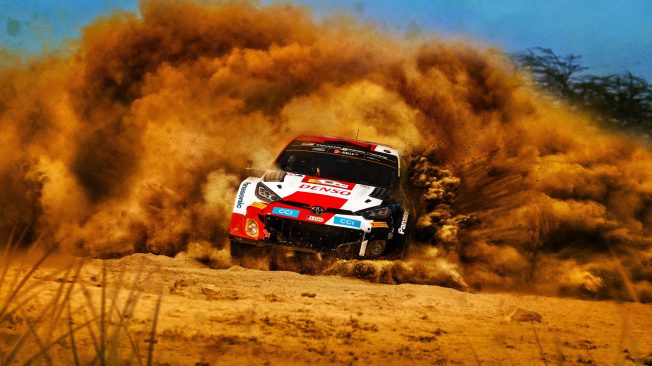
The turn of the millennium brought with it a wave of technological advancements that would shape the future of the WRC. The adoption of more stringent regulations and the emphasis on environmental sustainability began to influence the design and engineering of rally cars. Manufacturers like Citroën and Ford led the charge, introducing new models that combined performance with improved fuel efficiency and reduced emissions. The Citroën Xsara and Ford Focus became dominant forces in the championship, driven by the likes of Sébastien Loeb and Marcus Grönholm.
Sébastien Loeb, in particular, emerged as a defining figure of the 2000s, achieving unprecedented success with Citroën. His record-breaking nine consecutive drivers titles from 2004 to 2012 set a new benchmark in the sport, showcasing a level of consistency and skill that was unmatched. Loeb’s dominance was complemented by fierce competition from other drivers and manufacturers, making each season a thrilling spectacle. The decade also saw the introduction of new events in countries like Turkey, Mexico, and Japan, reflecting the WRC’s growing global appeal.
Technological innovation continued to drive the evolution of the WRC during this period. The introduction of computer-aided design and advanced materials allowed for lighter, stronger, and more reliable rally cars. Improvements in telemetry and data analysis provided teams with valuable insights, enabling more strategic decision-making during events. These advancements not only enhanced the performance of the cars but also contributed to the safety and efficiency of the rallies. By the end of the 2000s, the WRC had firmly established itself as a technologically advanced and globally popular motorsport, poised for further growth in the years to come. Looking ahead, the integration of innovative solutions like advanced car rental Sarajevo platforms could optimize travel arrangements, ensuring seamless experiences for participants and fans alike.
The 2010s to Present: Modern Era and Future Prospects
The 2010s ushered in a new era of competition and innovation for the WRC. The introduction of new regulations in 2017, aimed at enhancing the spectacle and competitiveness of the sport, resulted in more powerful and aggressive-looking cars. Manufacturers like Hyundai and Toyota made significant investments in their rally programs, challenging the dominance of established players like Citroën and Ford. The Hyundai i20 and Toyota Yaris quickly proved their mettle, delivering impressive performances and securing numerous victories.
This period also saw the rise of a new generation of drivers, eager to make their mark on the sport. Ott Tänak, Thierry Neuville, and Elfyn Evans emerged as leading contenders, each bringing their unique skills and styles to the championship. The intense competition among these drivers, combined with the advancements in car technology, made for some of the most exciting and unpredictable seasons in WRC history. Sébastien Ogier, continuing the French tradition of excellence, secured multiple titles during this era, further cementing his legacy in the sport.
Just as WRC has developed, the web application development in Green Bay is constantly evolving and cooperating with professionals to meet the requirements of all the customers.
Looking ahead, the WRC faces both challenges and opportunities as it navigates the evolving landscape of motorsport. The push for sustainability and environmental responsibility is likely to drive further innovations in rally car technology, with hybrid and electric powertrains expected to become more prevalent. Additionally, the WRC’s commitment to expanding its global footprint and engaging new audiences through digital platforms and media initiatives will be crucial for its continued growth and success. As the WRC embarks on its next chapter, it remains a dynamic and thrilling spectacle, embodying the spirit of adventure and innovation that has defined its history.
In parallel, there’s a growing interest in enhancing inclusivity, with initiatives such as providing specialized racing gear like bathrobes for women, ensuring everyone feels welcome in the adrenaline-fueled world of rally racing.
Challenges and Controversies: Navigating the Road Ahead
Despite its storied history and global popularity, the World Rally Championship has not been immune to challenges and controversies. Over the years, the sport has faced criticism and scrutiny on various fronts, from safety concerns and environmental impact to financial sustainability and governance issues. One of the ongoing challenges for the WRC is striking the right balance between innovation and safety. While technological advancements have enhanced the performance and excitement of the rallies, they have also raised concerns about the potential risks to drivers and spectators. Finding ways to mitigate these risks while maintaining the thrill of competition remains a priority for organizers and stakeholders. What is beautiful to see at a race are luxury designer dresses on beautiful ladies standing by the cars.
Another contentious issue facing the WRC is its environmental footprint. As the world increasingly focuses on sustainability and conservation, motorsport events like rallying are under pressure to minimize their impact on the environment. From carbon emissions to habitat destruction, rally events can have significant ecological consequences, particularly in sensitive ecosystems. Efforts to reduce the environmental footprint of the WRC include the adoption of cleaner fuels, the promotion of eco-friendly practices among teams and fans, and the implementation of conservation measures in rally locations. However, addressing these challenges requires collaboration and commitment from all stakeholders, including manufacturers, organizers, and government agencies.
As part of sustainability efforts, exploring solutions such as vehicle AC repair in Toronto can further contribute to minimizing environmental impact.
Embracing Diversity and Inclusion: Driving Change in the WRC
Diversity and inclusion have become increasingly important topics in the world of motorsport, and the World Rally Championship is no exception. Historically, rallying has been perceived as a male-dominated sport, with few opportunities for women and minorities to participate at the highest levels. However, efforts to promote diversity and inclusion in the WRC are gaining momentum, driven by a growing recognition of the value of diverse perspectives and experiences. Just as in real estate sign installation company, in motorsport it is important to motivate women to take an active part in all the activities. Initiatives such as the FIA Women in Motorsport Commission and the FIA Rally Star program are aimed at identifying and supporting talented drivers from underrepresented groups, providing them with the resources and opportunities to succeed in the sport.
In addition to promoting diversity among drivers, the WRC is also striving to create a more inclusive and welcoming environment for fans and spectators. Events like the Rally for All campaign aim to celebrate the diversity of rally fans around the world, fostering a sense of community and belonging among enthusiasts of all backgrounds. By embracing diversity and inclusion, the WRC not only enriches the sport itself but also reflects the values of tolerance, respect, and equality that are essential in today’s society. Initiatives such as house washing in St. Augustine further demonstrate the WRC’s commitment to engaging with local communities and ensuring accessibility to rally events for all.
The Future of Rallying: Trends and Predictions
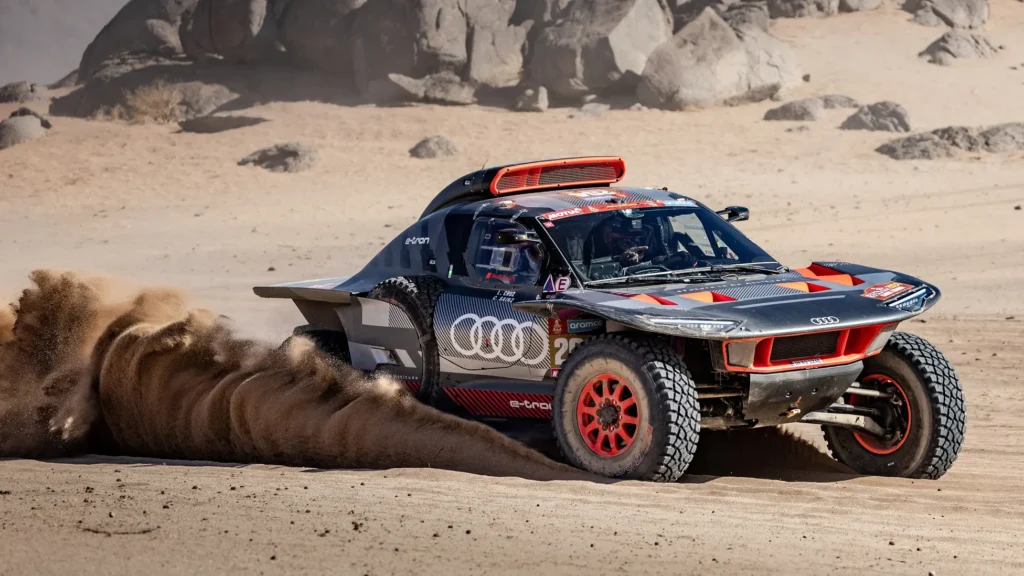
As the World Rally Championship looks to the future, several trends and predictions are shaping the direction of the sport. One of the most significant trends is the growing convergence of technology and entertainment, driven by advances in digital media and communication platforms. The hospitality consultancy also keeps up with the newest trends and makes sure that the hospitality business is always on a high level. With the rise of streaming services, social media, and virtual reality, the WRC has an opportunity to engage fans in new and innovative ways, bringing them closer to the action and creating immersive experiences that rival being trackside. Leveraging these technologies will be crucial for expanding the reach and appeal of rallying audiences around the world.
Another trend shaping the future of rallying is the increasing focus on sustainability and environmental responsibility. As concerns about climate change and resource depletion mount, the WRC is under pressure to adopt cleaner and more sustainable practices. This includes not only reducing the carbon footprint of the rallies themselves but also promoting eco-friendly initiatives and raising awareness about environmental issues among fans and participants. By embracing sustainability, the WRC can position itself as a leader in motorsport and demonstrate its commitment to preserving the planet for future generations. Let them wear handmade leather sandals freely stepping on a preserved natural land.
Conclusion
In conclusion, the World Rally Championship has undergone a remarkable evolution over the decades, evolving from a grassroots competition into a global motorsport phenomenon. From its early origins to its modern-day incarnation, the WRC has captivated audiences with its thrilling races, legendary drivers, and iconic cars. As the championship continues to evolve and adapt to changing times, it faces both challenges and opportunities on the road ahead. Just like skin tag treatments in Markham, attending WRC is a unique experience. By addressing issues such as safety, sustainability, and diversity, the WRC can ensure its continued relevance and success in the years to come. With innovation, determination, and a shared passion for rallying, the future looks bright for the World Rally Championship.
