

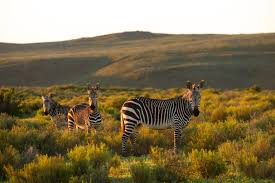
Embarking on an educational safari in Africa offers a unique and enriching experience beyond traditional wildlife viewing. These safaris provide a deep dive into the intricacies of African ecology and the vital conservation efforts necessary to preserve its diverse ecosystems. Whether you are a student, a wildlife enthusiast, or simply someone who loves to learn, an educational safari can transform your understanding of nature and the importance of protecting it.
Understanding African Ecology
Africa’s vast landscapes host a remarkable array of ecosystems, from the Serengeti’s savannas to the Okavango Delta’s wetlands. Educational safaris offer guided tours led by expert ecologists and naturalists who explain the complex interactions between flora, fauna, and the environment. Visitors learn about the delicate balance that sustains these ecosystems and the roles various species play within them. Field excursions, nature walks, and immersive experiences allow participants to observe wildlife behavior and plant life up close, providing a hands-on understanding of ecological principles. For those interested in exploring diverse environments, combining Africa’s educational safaris with Peru luxury tours can offer a unique and enriching travel experience.
The Role of Conservation Efforts
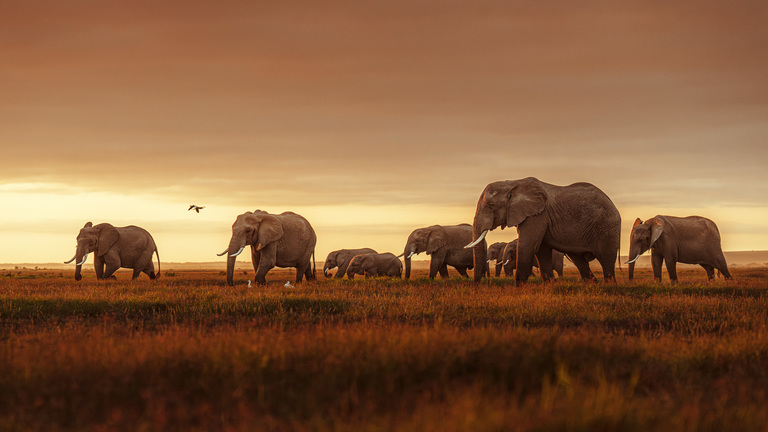
Conservation is at the heart of preserving Africa’s natural heritage. Educational safaris often include visits to renowned conservation projects and wildlife reserves where participants can witness ongoing efforts to protect endangered species and habitats. These safaris highlight the challenges faced by conservationists, such as poaching, habitat loss, and climate change. Visitors learn about anti-poaching strategies, wildlife rehabilitation programs, and community-based conservation initiatives. Engaging with local conservationists and park rangers provides a comprehensive view of the collaborative efforts needed to ensure the survival of Africa’s wildlife.
Community Involvement and Sustainable Tourism
Educational safaris also emphasize the importance of involving local communities in conservation. Sustainable tourism practices are crucial for the long-term success of conservation efforts. Participants learn about how eco-friendly lodges and responsible tourism contribute to local economies and support conservation projects. By interacting with community leaders and participating in cultural exchanges, visitors understand the symbiotic relationship between people and nature. These experiences foster a deeper appreciation for the need to balance human development with environmental stewardship.
Conclusion
An educational safari in Africa is more than just a journey through breathtaking landscapes; it is an opportunity to gain a profound understanding of the continent’s ecology and the urgent need for conservation. Through expert guidance, hands-on learning, and community engagement, participants come away with a renewed commitment to protecting the planet’s natural treasures. Educational safaris inspire a sense of responsibility and a passion for preserving the delicate balance of life that makes Africa so extraordinary.
