

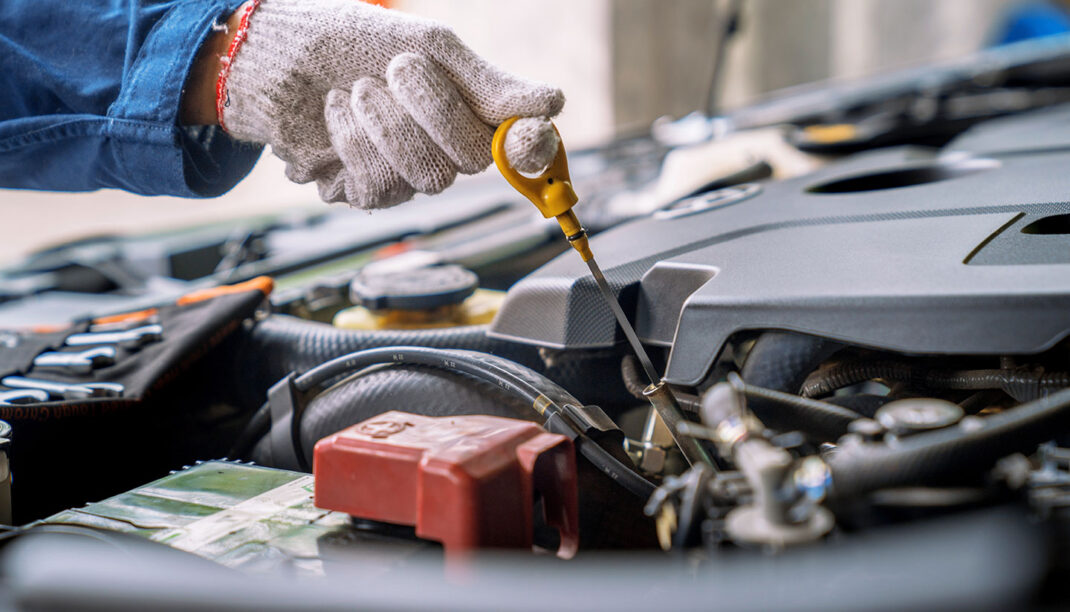
Maintaining your car is not just about keeping it clean or ensuring the tires are inflated. One of the most critical aspects of vehicle upkeep is regularly checking and changing the fluids. These fluids are the lifeblood of your car, ensuring all its systems run smoothly and efficiently. Neglecting fluid maintenance can lead to costly repairs, reduced performance, and even safety hazards. Understanding why fluid checks and changes are so important can save you time, money, and stress in the long run.
The Role of Fluids in Your Vehicle
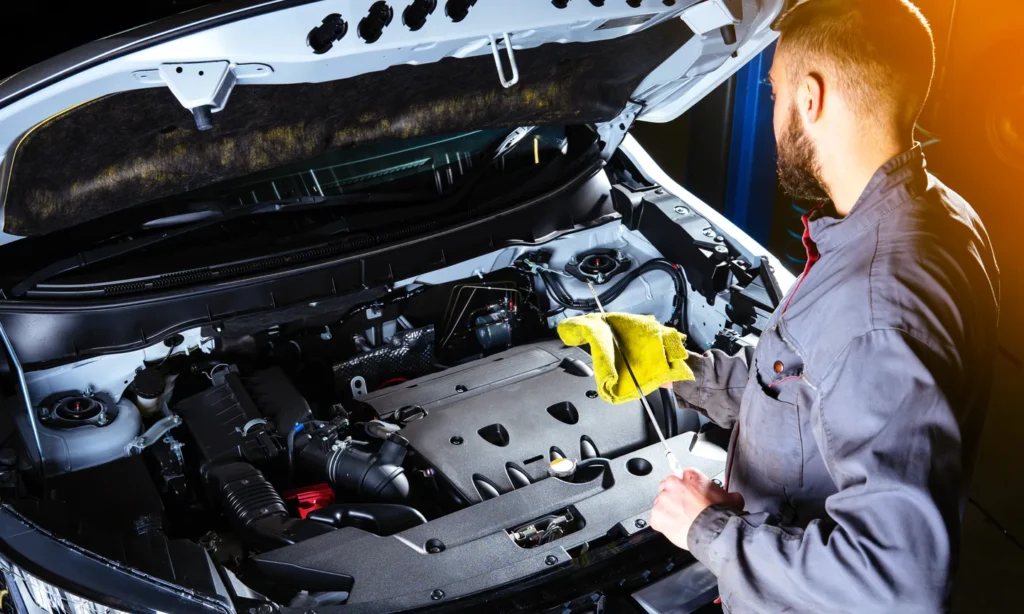
Your car relies on a variety of fluids to function properly. From engine oil and transmission fluid to coolant and brake fluid, each serves a unique and essential purpose. These fluids reduce friction, regulate temperature, and enable mechanical components to operate effectively.
- Engine Oil lubricates the engine’s moving parts, preventing wear and tear. Without regular oil changes, the engine can overheat or seize up, leading to catastrophic failure.
- Transmission Fluid ensures smooth gear shifts and helps maintain the transmission system’s longevity.
- Coolant regulates engine temperature, preventing overheating in summer and freezing in winter.
- Brake Fluid enables hydraulic pressure, allowing your brakes to engage effectively.
- Power Steering Fluid helps you steer with ease, reducing the effort required to turn the wheel.
Each fluid plays a vital role, and failing to monitor or replace them can compromise your vehicle’s performance and safety. Just as a robotic system integrator ensures that complex systems work together seamlessly, maintaining the right fluids in your vehicle ensures that all components function efficiently and safely.
Why Regular Fluid Checks Are Essential
One of the simplest yet most overlooked aspects of car maintenance is regularly checking fluid levels. Ignoring fluid levels can lead to serious problems, as low or dirty fluids can no longer perform their functions effectively.
For instance, driving with low engine oil can cause excessive friction, resulting in engine overheating or permanent damage. Similarly, low brake fluid can impair braking performance, creating a significant safety hazard. Coolant levels are equally crucial; insufficient coolant can lead to overheating, which can warp engine components and require expensive repairs.
Regular fluid checks allow you to identify potential issues early. Detecting a slow leak in your coolant or noticing that your transmission fluid is darker than normal can help prevent bigger, more costly problems down the road. Most fluid checks are quick and can often be performed at home with basic tools and knowledge.
The Consequences of Neglecting Fluid Changes
While checking fluid levels is critical, changing the fluids at recommended intervals is just as important. Over time, fluids degrade and lose their effectiveness due to contamination, heat, and chemical breakdown. Neglecting fluid changes can result in reduced vehicle efficiency, higher repair costs, and even complete system failures. Similarly, regular maintenance, such as water damage restoration in Charlotte, is essential for preserving the integrity of a home or business, preventing costly long-term issues.
For example:
- Old Engine Oil loses its viscosity and ability to lubricate effectively, causing increased engine wear and reducing fuel efficiency.
- Worn Transmission Fluid can lead to hard shifting, slipping gears, or even complete transmission failure.
- Contaminated Brake Fluid absorbs moisture over time, which can reduce braking power and corrode internal brake components.
- Degraded Coolant may no longer provide proper temperature regulation, leading to engine overheating or freezing in extreme conditions.
Replacing these fluids as per your vehicle manufacturer’s recommendations ensures that your car continues to operate efficiently and safely. Similarly, ensuring proper documentation, such as a non-owner SR22 in Florida, can help maintain your legal driving status and peace of mind.
How Often Should Fluids Be Checked and Changed?
The frequency of fluid checks and changes depends on several factors, including the type of fluid, driving conditions, and the vehicle manufacturer’s guidelines. Consulting your owner’s manual is the best way to determine the recommended intervals for your specific car. However, here are some general guidelines:
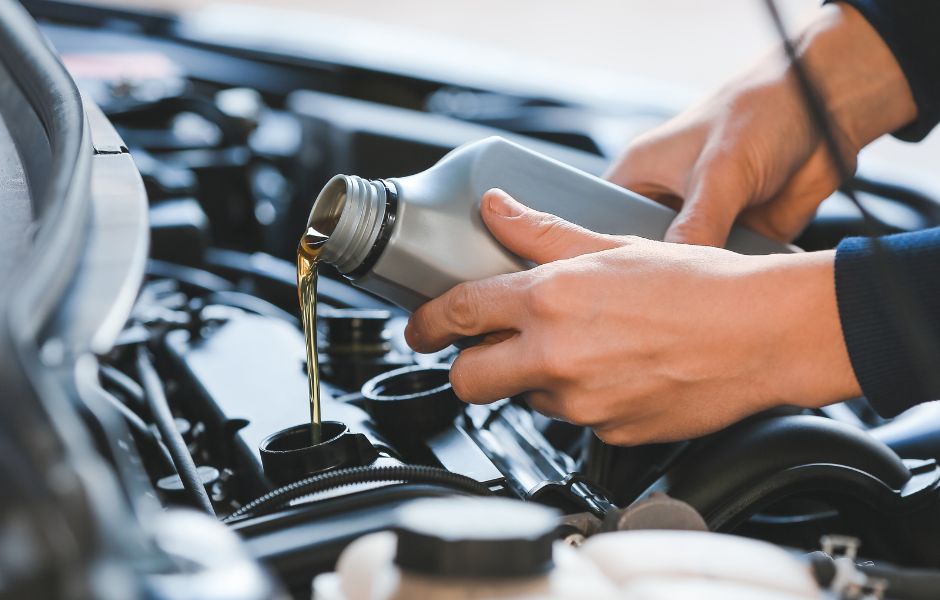
- Engine Oil: Most cars require an oil change every 3,000 to 7,500 miles, depending on whether you’re using conventional or synthetic oil.
- Transmission Fluid: This should typically be changed every 30,000 to 60,000 miles, but some newer vehicles may have longer intervals.
- Coolant: Change every 30,000 to 50,000 miles, or every 5 years for long-life coolants.
- Brake Fluid: Replace every 2 to 3 years, as it absorbs moisture over time.
- Power Steering Fluid: Check annually and replace if it appears dark or contaminated.
Regularly inspecting these fluids can help you identify when changes are necessary, even if you haven’t reached the mileage or time threshold.
Signs That Your Car Needs Fluid Maintenance
Your vehicle often provides warning signs when fluid maintenance is overdue. Recognizing these signs early can prevent minor issues from escalating. Pay attention to changes in performance, unusual sounds, or warning lights on your dashboard. Just as staying proactive with vehicle maintenance is important, working with a reliable branded merchandise supplier ensures your business maintains a polished and professional image.
Some common signs include:
- Dark, gritty engine oil when checked with a dipstick
- Delayed or rough gear shifts indicating transmission fluid issues
- An overheating engine, which may point to low or old coolant
- A soft or spongy brake pedal, signaling brake fluid problems
- Difficulty steering, often caused by low or contaminated power steering fluid
Ignoring these warning signs can lead to more significant and expensive problems. Addressing fluid issues promptly can save you from major repairs and extend your car’s lifespan.
Professional Maintenance vs. DIY Fluid Checks
While checking fluid levels and even changing some fluids can be done at home, professional maintenance offers several advantages. Mechanics have the tools and expertise to identify issues that may not be apparent to the average car owner. During a professional service, technicians can flush out old fluids, inspect for leaks, and replace filters, ensuring your car’s systems are in optimal condition.
For DIY enthusiasts, many fluids are accessible and easy to check. Engine oil, coolant, and windshield washer fluid typically have visible reservoirs with clear markings. However, changing transmission or brake fluid often requires specialized tools and knowledge, making professional service a safer and more effective option. Similarly, when faced with plumbing issues, calling an emergency plumber in San Antonio can provide the expertise needed to resolve complex problems quickly and effectively.
Cost vs. Benefits of Regular Fluid Maintenance
Some car owners delay fluid maintenance due to perceived costs, but this approach is shortsighted. The cost of regular fluid checks and changes is minimal compared to the expense of repairing or replacing damaged components.
For instance:
- An oil change might cost $50 to $100, but neglecting it could lead to engine damage costing thousands of dollars.
- Replacing transmission fluid is far less expensive than rebuilding or replacing a failed transmission.
- A simple coolant flush can prevent overheating and save you from replacing a cracked engine block or head gasket.
Investing in fluid maintenance not only saves money but also provides peace of mind, knowing your vehicle is running reliably and safely. Similarly, ensuring your home appliances are in good working order, such as through dishwasher repair in Birmingham, can prevent unexpected disruptions and maintain daily convenience.
The Environmental Impact of Fluid Maintenance
Proper fluid maintenance isn’t just beneficial for your car—it’s also better for the environment. Old, degraded fluids can leak or spill, contaminating soil and waterways. For example, used engine oil is a major pollutant if not disposed of responsibly. By staying on top of fluid changes, you help reduce the environmental impact of your vehicle. Similarly, services like commercial plumbing services in Deerfield Beach ensure that systems are properly maintained, preventing leaks and further environmental harm.
Additionally, many modern fluids are designed to be more eco-friendly, with longer lifespans and biodegradable formulations. Using these products and recycling old fluids responsibly contributes to a greener planet.
Tips for Staying on Top of Fluid Maintenance
Maintaining a regular schedule for fluid checks and changes can feel overwhelming, but a few simple practices can make it easier. Keeping a maintenance log can help you track when fluids were last checked or replaced. Many service centers provide stickers or receipts with the date and mileage of your last oil change, making it easy to plan your next visit. Similarly, services like heating repair in Charlotte NC emphasize the importance of regular maintenance to keep systems running efficiently and prevent unexpected breakdowns.
You can also set reminders on your phone or calendar for fluid checks. Some modern vehicles come with built-in maintenance alerts, notifying you when it’s time for service. Taking advantage of these tools ensures you never miss a critical maintenance task. Similarly, relying on trusted professionals, like iron door suppliers, ensures that essential upgrades or replacements for your home are handled with care and precision.
Conclusion: A Small Effort with Big Rewards
Regular fluid checks and changes are among the most important things you can do to maintain your car’s performance, safety, and longevity. These small, routine tasks prevent larger problems, save money on repairs, and ensure your vehicle runs smoothly for years to come. Similarly, a real estate expert witness can help identify potential issues in property transactions, providing valuable insights to prevent costly mistakes down the line.
Whether you’re a seasoned driver or a first-time car owner, understanding the importance of fluid maintenance empowers you to take better care of your vehicle. Don’t wait for a warning light or a breakdown to address fluid issues. Stay proactive, and your car will reward you with reliable, efficient performance.
