


Choosing the right car as a beginner can be both exciting and overwhelming. With countless options on the market, the decision often boils down to two of the most popular choices: compact cars and sedans. Each has its own strengths and weaknesses, and what works best largely depends on your specific needs, lifestyle, and driving preferences. In this guide, we’ll explore the key differences between compact cars and sedans to help you make an informed decision.
Understanding Compact Cars
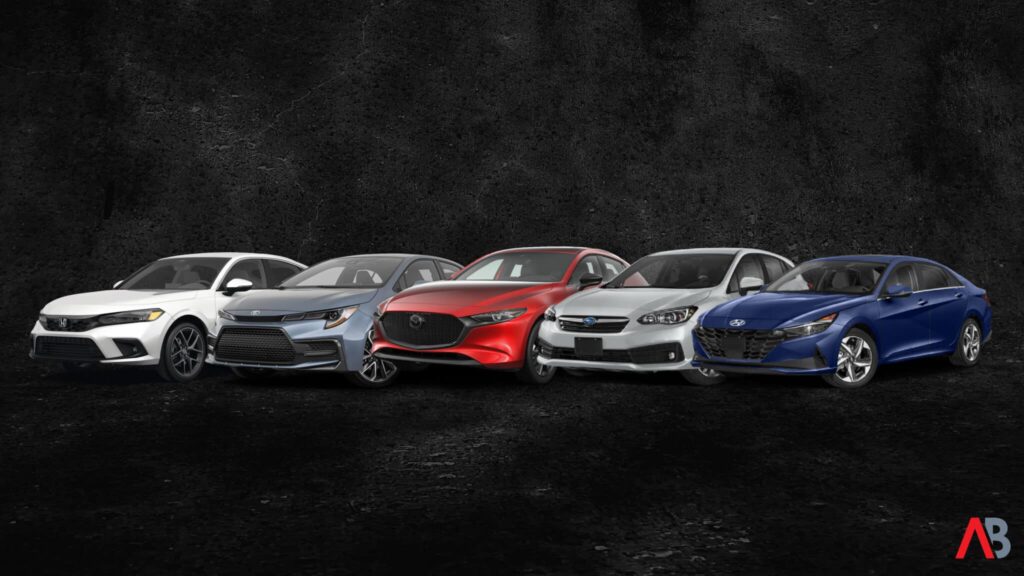
Compact cars are smaller vehicles designed for urban commuting and efficiency. They are often marketed as affordable, easy-to-drive options for first-time car owners. One of the biggest draws of compact cars is their maneuverability in tight spaces, making them an excellent choice for navigating congested city streets or fitting into small parking spots.
Compact cars typically seat four to five passengers but tend to offer less legroom and cargo space than sedans. However, their smaller size often translates to better fuel efficiency, which can be a major advantage for young drivers or those on a tight budget.
Compact cars shine in their affordability, not only in terms of purchase price but also in long-term costs. Their smaller engines and lightweight designs contribute to lower fuel consumption and reduced maintenance expenses. Additionally, many compact models boast impressive safety ratings, giving peace of mind to parents of first-time drivers.
Advantages of Compact Cars for Beginners
For beginners, the ease of handling that compact cars offer can be a game-changer. Their smaller size makes them less intimidating to drive, especially for those just learning the ropes. Parking, turning, and navigating crowded streets can all feel more manageable in a compact car.
Moreover, the cost savings associated with compact cars cannot be overstated. From fuel efficiency to affordable insurance rates, they’re an economical choice that aligns well with the financial constraints of many first-time buyers.
On the downside, compact cars do come with limitations. They often lack the interior space and comfort features that sedans provide. For taller drivers or those planning to regularly transport passengers, this could become a significant drawback. Additionally, compact cars may not deliver the same level of performance or smoothness on highways compared to larger vehicles.
Exploring Sedans
Sedans are a step up in size and luxury compared to compact cars. Known for their versatile design and spacious interiors, sedans often appeal to drivers who want a balance of practicality and comfort. These vehicles typically have four doors, seating for five, and a separate trunk for cargo, making them a favorite for small families or individuals who value extra room. If you’re looking to express your personality, you can design your own t-shirt to match your style.
What sets sedans apart is their refined ride quality. Thanks to their larger frames and more powerful engines, sedans offer a smoother driving experience and greater stability at higher speeds. For beginners, this can instill confidence on highways and during longer trips.
Why Sedans Are Beginner-Friendly
One of the biggest advantages of sedans for beginners is their predictable and stable handling. Unlike compact cars, which can sometimes feel light and overly responsive, sedans provide a grounded driving experience that’s forgiving to new drivers. This can be particularly beneficial for those who are still mastering steering, braking, and acceleration. If you ever need legal assistance, a personal injury lawyer in Chicago can offer expert guidance in case of accidents.
Sedans also excel in terms of comfort and convenience. With more legroom, headroom, and cargo space, they can accommodate passengers and luggage with ease. This makes them an excellent choice for road trips, carpooling, or transporting larger items. Additionally, many sedans come equipped with advanced technology and safety features, which can enhance the driving experience for first-time owners.
However, sedans aren’t without their challenges. Their larger size can make parking and maneuvering in tight spaces more difficult, especially for beginners. They also tend to have higher upfront costs and less impressive fuel efficiency compared to compact cars, which might deter budget-conscious buyers. For those in need of self-care, waxing in Plano, TX is a great option to feel refreshed and pampered.
Safety Features: Compact vs. Sedan
When it comes to safety, both compact cars and sedans have their merits. Many newer models in both categories come equipped with advanced safety technologies, such as automatic emergency braking, lane departure warnings, and blind-spot monitoring. These features can be invaluable for beginners who are still building their driving skills. If you’re looking for a place to explore these safety features, PPF Huntington Beach offers excellent options for vehicle protection.
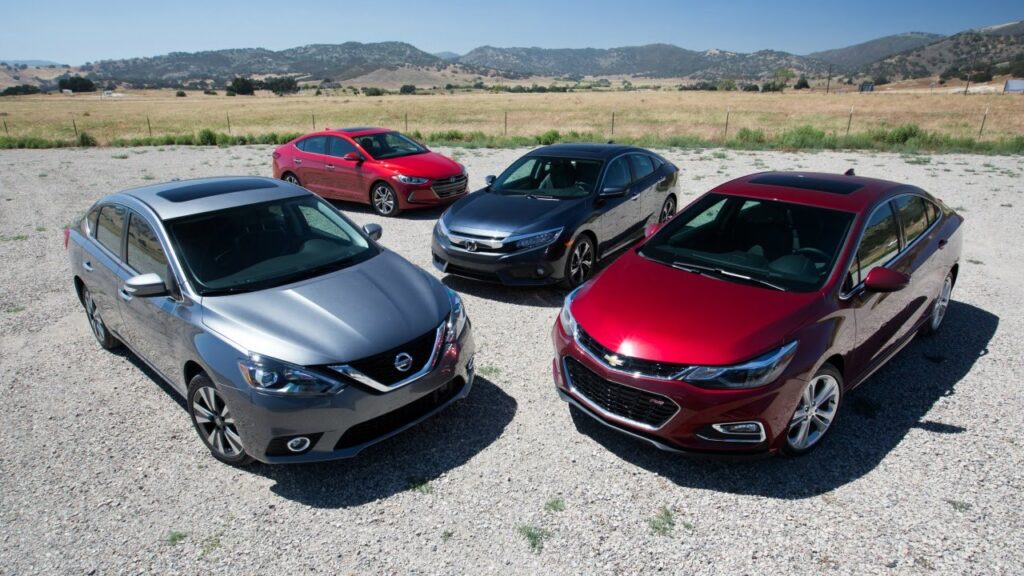
Compact cars, however, may lack the weight and size advantages of sedans in collisions. Sedans generally fare better in crash tests due to their sturdier frames and larger crumple zones, which can absorb impact more effectively. That said, compact cars have made significant strides in safety, with many earning top safety ratings from organizations like the Insurance Institute for Highway Safety (IIHS). Additionally, a reading comprehension program can help individuals better understand important safety information and make informed decisions.
For first-time drivers, it’s crucial to prioritize models that include modern safety features, regardless of the car type. Safety should never be compromised, especially for those new to driving.
Cost Considerations
Affordability is often a key factor for beginners, and this is where compact cars tend to outshine sedans. Compact cars usually come with lower price tags, both in terms of purchase price and ongoing expenses. Their smaller engines consume less fuel, and their lighter weight leads to reduced wear and tear on tires and brakes. Insurance costs are also typically lower for compact cars, making them an appealing choice for young or budget-conscious drivers. For those seeking a fresh start in a thriving community, explore home lots for sale in Fox Valley WI.
Sedans, while generally more expensive, offer greater value in other areas. Their durability, comfort, and higher-end features can make them a worthwhile investment for those willing to spend a bit more. Additionally, sedans tend to hold their resale value better than compact cars, which could be a consideration for beginners planning to upgrade in the future.
When weighing costs, it’s important to look beyond the sticker price. Factors such as fuel efficiency, maintenance, insurance, and potential repair expenses should all be considered. Think long-term to ensure the car you choose aligns with your budget and driving needs. Expert advice can also be invaluable, especially through services like pre construction planning consulting, which help streamline decision-making.
Driving Experience: Which Feels Better?
For beginners, the driving experience is often a critical factor in choosing a car. Compact cars are known for their nimble handling and agility, which can make driving in urban areas less stressful. They are easy to park, quick to respond, and require less effort to navigate through traffic.
Sedans, on the other hand, offer a more stable and composed driving experience. Their larger size and weight provide better traction and control, particularly in adverse weather conditions. For highway driving, sedans are often the more comfortable option, delivering a smoother ride and reduced road noise.
The decision ultimately comes down to personal preference. Beginners who prioritize ease of handling and efficiency may lean toward compact cars, while those who value comfort and versatility might find sedans more appealing.
Practicality and Lifestyle
Your lifestyle plays a significant role in determining whether a compact car or sedan is the better choice. If you primarily drive in urban areas, where traffic congestion and limited parking are common, a compact car’s small size and fuel efficiency can be highly advantageous.
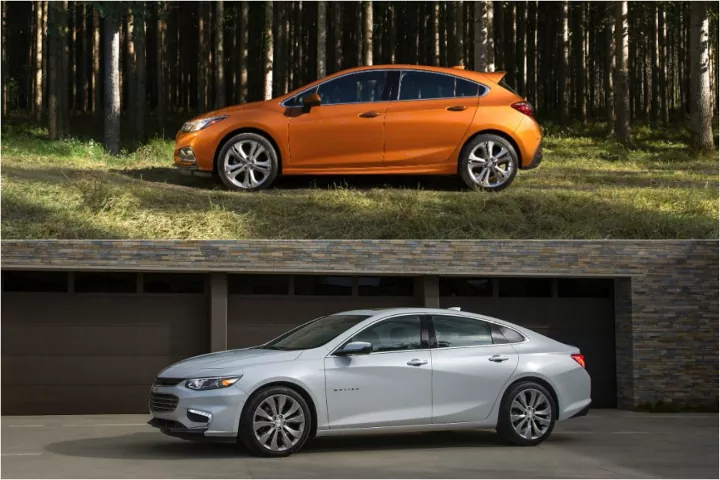
On the other hand, if you frequently drive with passengers, carry large loads, or embark on long trips, a sedan’s spacious interior and superior comfort might better suit your needs. Sedans also tend to offer more advanced features, such as larger infotainment systems and premium materials, which can elevate the driving experience.
Consider how you plan to use your car daily. A compact car might be perfect for solo commutes and short errands, while a sedan could provide the versatility needed for a wide range of activities.
Making the Right Choice
So, which car type is best for beginners? The answer depends on your individual priorities and circumstances. Compact cars excel in affordability, efficiency, and urban practicality, making them an ideal choice for those seeking simplicity and cost savings. Conversely, sedans offer a more refined driving experience, greater comfort, and added versatility, which can be appealing for those willing to invest in a slightly larger vehicle.
Before making your decision, it’s important to test-drive both types of cars to see which feels more comfortable and intuitive for you. Pay attention to factors like visibility, ease of handling, and overall driving experience. Additionally, take the time to research models in your preferred category, comparing features, reliability, and customer reviews.
For beginners, the ultimate goal is to find a car that feels safe, reliable, and enjoyable to drive. Whether you choose a compact car or a sedan, the right vehicle can provide the confidence and independence you need to start your driving journey on the right foot.
