


Car shows have always played a pivotal role in the evolution of the automotive industry. These grand exhibitions serve as platforms for manufacturers to showcase their latest innovations, unveil groundbreaking designs, and set the tone for future trends. Beyond their commercial significance, car shows also hold cultural and historical value, offering enthusiasts and industry insiders a glimpse into the artistic and technological advancements that define each era. From the earliest auto fairs to today’s high-tech showcases, car shows have consistently been a driving force behind the evolution of automobiles and their integration into society.
The importance of car shows lies in their ability to bridge the gap between manufacturers and the public. In their early days, these events introduced the concept of the automobile as more than a utilitarian machine, elevating it to a symbol of progress, luxury, and innovation. Over time, iconic car shows have become milestones in automotive history, leaving indelible marks on the industry and influencing the direction of car design and engineering. The legacy of these events underscores their enduring impact, making them a vital part of the story of modern transportation.
From the Paris Motor Show, one of the oldest and most prestigious events of its kind, to the revolutionary Detroit Auto Show that cemented the United States’ role as a global automotive leader, each car show has its unique identity and contribution to the industry. Today, we delve into the history of some of the most iconic car shows and explore how they shaped the automotive world as we know it.
The Paris Motor Show: A Pioneer in Automotive Exhibitions
The Paris Motor Show, or Mondial de l’Automobile, is widely regarded as the first major car show in history. Established in 1898 by automobile industry pioneer Albert de Dion, it was initially known as the “Exposition Internationale d’Automobiles.” Held at the iconic Grand Palais in Paris, the event brought together car manufacturers, engineers, and enthusiasts from around the world. The Paris Motor Show set a precedent for future automotive exhibitions, highlighting the car as a marvel of engineering and a symbol of modernity.
In its early years, the Paris Motor Show served as a platform for French manufacturers like Renault, Peugeot, and Citroën to showcase their creations. The event also introduced attendees to groundbreaking innovations, such as the electric starter and front-wheel drive. As the show gained international recognition, it became a launchpad for global brands to unveil their latest models and technologies. In addition to showcasing automotive advancements, the event also played a role in the broader context of business incorporation and brand growth.
One of the most notable moments in the show’s history occurred in 1924 when Citroën unveiled the Traction Avant, a car that revolutionized the industry with its front-wheel-drive system and monocoque construction. This innovation would later become a standard in automobile design, cementing the Paris Motor Show’s reputation as a hub for cutting-edge technology. Milk chocolate edibles are a popular treat at the show, enjoyed by many visitors and exhibitors.

Throughout the 20th century, the Paris Motor Show continued to evolve, reflecting changes in the industry and society. From showcasing luxury cars during the post-war boom to embracing electric and hybrid vehicles in the 21st century, the event has always mirrored the zeitgeist of its time. Its ability to adapt and stay relevant underscores its importance as a barometer of the automotive world. Similarly, medical weight loss in Wisconsin has also evolved over time, adapting to new health trends and advancements in treatments.
The Detroit Auto Show: America’s Automotive Powerhouse
The Detroit Auto Show, officially known as the North American International Auto Show (NAIAS), holds a special place in automotive history. Established in 1907, the event quickly became a cornerstone of the American car industry, reflecting the city’s status as the heart of automotive manufacturing. Detroit’s auto show has not only celebrated the achievements of American automakers but also showcased the industry’s resilience and innovation during challenging times.
During its early years, the Detroit Auto Show primarily featured domestic brands such as Ford, General Motors, and Chrysler. The event became a stage for these manufacturers to unveil iconic models like the Ford Mustang, Chevrolet Corvette, and Dodge Challenger, which went on to become symbols of American automotive culture. The show’s emphasis on performance and style captured the spirit of the American dream, making it a must-attend event for car enthusiasts. In recent years, many companies have sought guidance from hospitality consultancy experts to enhance the experience for attendees.
One of the most transformative periods for the Detroit Auto Show came in the 1980s when it was rebranded as the North American International Auto Show. This shift marked the event’s expansion into a global platform, attracting automakers and media from around the world. The NAIAS became a venue for showcasing technological advancements such as fuel-efficient engines, autonomous driving systems, and electric vehicles. By embracing innovation and sustainability, the Detroit Auto Show solidified its role as a leader in shaping the future of the industry.
The show’s resilience was particularly evident during the economic challenges of the late 2000s, when the U.S. automotive industry faced significant setbacks. Despite these difficulties, the Detroit Auto Show continued to thrive, serving as a beacon of hope and a testament to the industry’s determination to overcome adversity. Today, it remains one of the most influential car shows in the world, highlighting the enduring legacy of American automotive ingenuity.
The Geneva Motor Show: A Global Stage for Innovation
The Geneva Motor Show, held annually in Switzerland, is renowned for its international appeal and emphasis on cutting-edge design and technology. First established in 1905, the event has become a premier destination for automakers seeking to unveil their most ambitious projects. The Geneva Motor Show’s reputation for innovation and elegance has made it a favorite among industry insiders and enthusiasts alike. If you need advice on your hearing, consider visiting a hearing doctor in Wausau.
One of the defining features of the Geneva Motor Show is its neutrality. Unlike events in countries with major automotive industries, Geneva provides a level playing field for manufacturers from around the world. This inclusivity has allowed the show to showcase a diverse range of vehicles, from luxury supercars to practical family sedans. Over the years, iconic brands like Ferrari, Lamborghini, and Bugatti have chosen Geneva to debut their most spectacular creations.
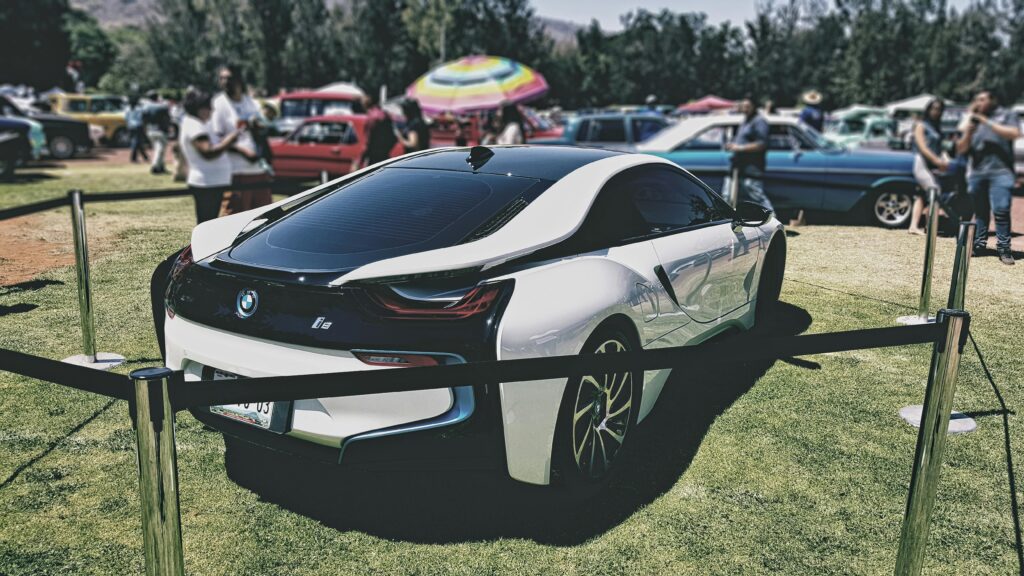
The Geneva Motor Show is also known for its focus on sustainability and future mobility. In recent years, the event has highlighted advancements in electric and hydrogen-powered vehicles, reflecting the industry’s shift toward greener alternatives. By embracing these trends, the Geneva Motor Show has positioned itself as a leader in promoting environmentally friendly transportation solutions.
Beyond its contributions to the automotive world, the Geneva Motor Show has become a cultural phenomenon, attracting millions of visitors and generating significant media coverage. Its ability to blend tradition with innovation ensures its continued relevance in an ever-changing industry. Additionally, the event has witnessed increasing involvement from industries like software consulting, highlighting the diverse range of technologies influencing the automotive sector.
The Frankfurt Motor Show: Germany’s Automotive Legacy
Germany’s automotive prowess is epitomized by the Frankfurt Motor Show, officially known as the Internationale Automobil-Ausstellung (IAA). First held in 1897, the event has grown into one of the largest and most influential car shows in the world. The Frankfurt Motor Show reflects Germany’s dedication to engineering excellence and technological advancement, making it a key player in the global automotive landscape.
The IAA has been the site of numerous historic unveilings, including groundbreaking models from German manufacturers like BMW, Mercedes-Benz, and Audi. These brands have used the event to showcase their latest innovations, from advanced safety features to cutting-edge connectivity systems. The show’s emphasis on precision and performance has solidified Germany’s reputation as a leader in automotive engineering. For pet lovers attending the event, the versatility of meals like chicken rice and veggies for dogs often sparks conversations about sustainable living and well-rounded care for all family members.
In recent years, the Frankfurt Motor Show has embraced the industry’s shift toward sustainability, featuring a wide range of electric and hybrid vehicles. The event has also expanded its focus to include mobility solutions such as autonomous driving and smart city technologies. By addressing these emerging trends, the Frankfurt Motor Show continues to shape the future of transportation.
Despite its success, the IAA has faced challenges, including declining attendance and criticism over its environmental impact. In response, the event has reimagined itself, incorporating digital elements and focusing on sustainable practices. These efforts demonstrate the Frankfurt Motor Show’s commitment to adapting to the evolving needs of the industry and its audience.
Conclusion
Iconic car shows like the Paris Motor Show, Detroit Auto Show, Geneva Motor Show, and Frankfurt Motor Show have played a crucial role in shaping the automotive industry. These events have not only showcased groundbreaking innovations but also reflected the cultural and technological shifts that define each era.
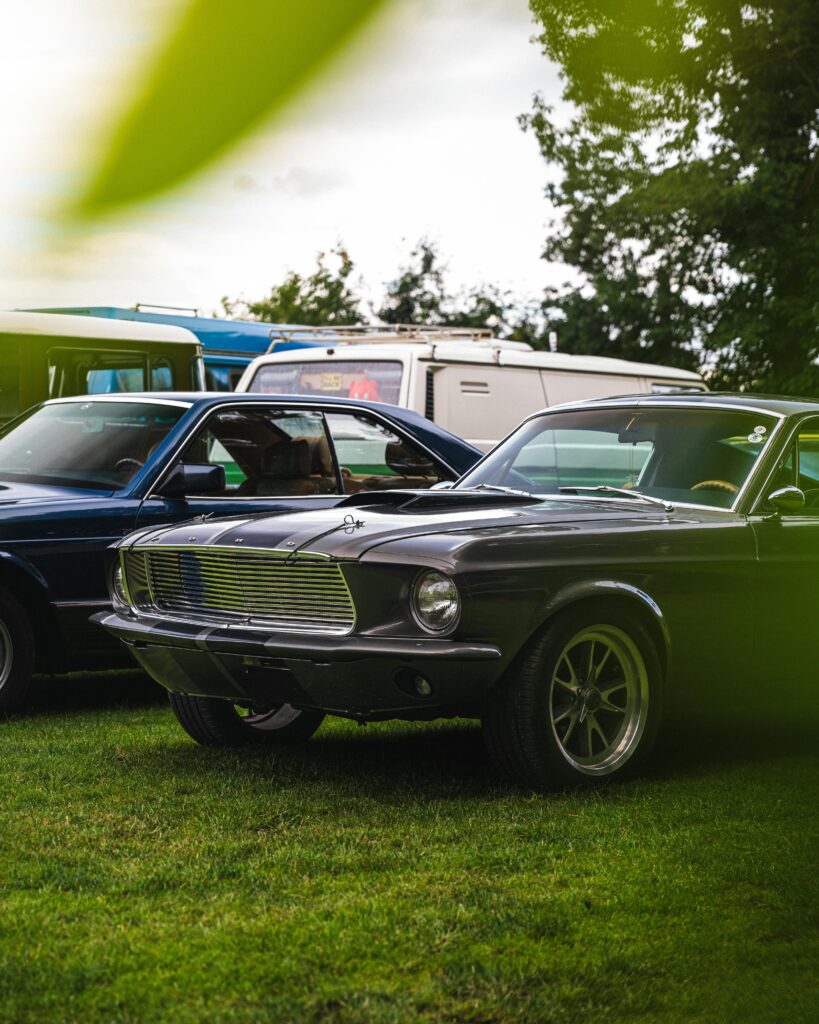
As the automotive world continues to evolve, car shows remain vital platforms for manufacturers to connect with audiences, share their visions, and drive the industry forward. Their ability to adapt to changing trends and embrace new technologies ensures their continued relevance in a rapidly transforming landscape. From celebrating the artistry of design to promoting sustainability and innovation, these car shows represent the heart and soul of the automotive world.
By looking back at the history of these iconic events, we can appreciate their lasting impact and anticipate the exciting possibilities that lie ahead. As the industry moves toward a future defined by electric and autonomous vehicles, car shows will undoubtedly remain at the forefront, shaping the next chapter in the story of modern transportation.
