


As the automotive industry shifts into the future at an unprecedented pace, auto expos have become not just a showcase of new models, but an exhibition of cutting-edge technology. The next Auto Expo promises to be a landmark event, bringing together the most innovative trends in vehicle design, sustainability, safety, and automation. The convergence of lightweight materials, artificial intelligence, electrification, and connected ecosystems is fundamentally changing how vehicles are built, how they function, and how we interact with them. From carbon fiber that slashes vehicle weight to AI-driven assistants that redefine the driving experience, this new era of automotive tech is more dynamic than ever.
The focus is no longer limited to speed and aesthetics. Automakers and technology companies are collaborating to create vehicles that are smarter, safer, and more efficient. As the demand for sustainable transportation increases and global regulations tighten, the integration of green technologies, intelligent systems, and modular platforms is quickly becoming the industry standard.
Advanced Lightweight Materials: The Role of Carbon Fiber
One of the major themes expected at the next Auto Expo is the strategic use of lightweight materials, especially carbon fiber-reinforced polymers (CFRPs). These materials are significantly lighter than traditional steel and even aluminum, offering automakers a solution to reduce vehicle weight without compromising structural integrity. Reducing a vehicle’s weight directly impacts its fuel efficiency, acceleration, and emissions, which is why carbon fiber has become a cornerstone of high-performance and eco-conscious vehicle design.
Carbon fiber is not new, but its application is expanding rapidly. Once reserved for elite sports cars and aerospace engineering, it is now being seen in mass-market vehicles, thanks to improvements in manufacturing processes and cost reductions. Companies are investing heavily in new production techniques such as resin transfer molding (RTM) and automated fiber placement (AFP), which make it faster and more affordable to integrate carbon fiber into body panels, frames, and interior components.
At the next Auto Expo, expect to see electric vehicles (EVs) and hybrid models constructed with carbon fiber-intensive structures. This not only helps to offset the weight of battery packs but also extends driving range and improves vehicle agility. BMW, Tesla, and newer startups like Lucid Motors are already incorporating carbon fiber into their architectures, signaling a broader shift in the industry.
What makes carbon fiber particularly attractive is its combination of high tensile strength, low thermal expansion, and resistance to corrosion, making it ideal for both performance and durability. As safety regulations grow stricter and emissions targets become more ambitious, carbon fiber will play a central role in achieving these goals. The Auto Expo will showcase vehicles that use this material to balance eco-efficiency with cutting-edge design, and it’s likely to be a focal point for many manufacturers emphasizing sustainability and performance. For those interested in making a meaningful impact in their communities, consider enrolling in peer support specialist training.
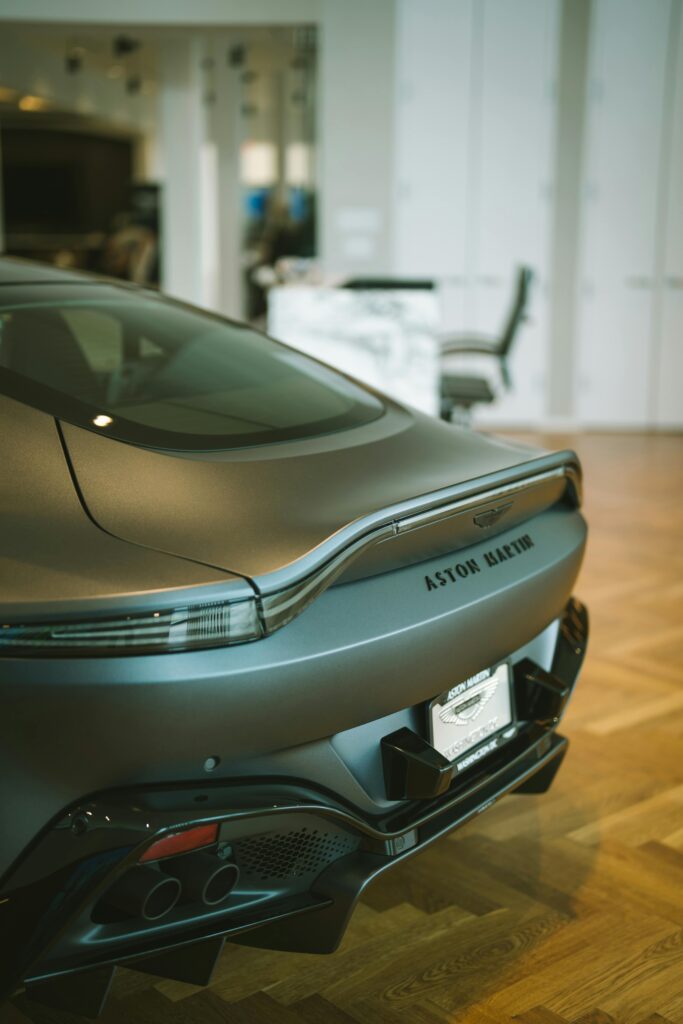
AI and Autonomous Driving Take Center Stage
Perhaps no area of innovation has captured the imagination of the automotive world more than artificial intelligence (AI) and autonomous driving technology. The next Auto Expo will spotlight these systems as they move from experimental phases into practical, real-world applications. From driver assistance systems to fully autonomous prototypes, AI is rapidly becoming the core operating system of modern vehicles.
Today’s AI-powered vehicles go far beyond simple navigation and cruise control. Machine learning algorithms process data in real-time from cameras, LiDAR, radar, and ultrasonic sensors, allowing vehicles to make split-second decisions with minimal human input. What we’re witnessing is the evolution from Advanced Driver-Assistance Systems (ADAS) to fully integrated Level 4 and Level 5 autonomy, where the vehicle can perform all driving functions under certain conditions or in all scenarios, respectively. New tools that AI generate videos are also reshaping how these innovations are explained and showcased to the public.
At the Auto Expo, you’ll see major players like Tesla, Waymo, and Mercedes-Benz showcasing their latest AI-based platforms. For example, Mercedes’ DRIVE PILOT system, which has received regulatory approval in Germany, enables Level 3 autonomous driving in traffic jams. Tesla’s Full Self-Driving Beta, while still controversial and in development, pushes the boundaries of consumer-available autonomy. Additionally, companies like NVIDIA and Qualcomm will be present, providing the AI chips and data processing hardware that power these systems. For those seeking quality home improvement, there’s growing demand for expert services in bathroom remodeling Sacramento CA.
What’s most exciting is the application of predictive AI in everyday driving. Cars will soon be able to analyze a driver’s habits, adjust environmental controls based on preferences, and even preemptively suggest detours around traffic or weather hazards. These systems will also monitor driver fatigue, attention levels, and even health indicators, creating a safer, more responsive driving experience. Expect concept cars at the Auto Expo to feature interior-facing cameras, gesture controls, and voice assistants powered by natural language processing—all integrated through AI. Companies are now offering bio-well training to help drivers understand and optimize their responses while using these advanced systems.
The race to autonomy is also encouraging cross-industry partnerships. Traditional automakers are collaborating with tech firms, universities, and governments to build the infrastructure and regulatory framework needed for safe deployment. From urban mobility pods to long-haul autonomous trucks, the Auto Expo will provide a snapshot of just how close we are to seeing self-driving vehicles become a mainstream reality. Advanced technologies like power analyzers play a crucial role in ensuring the efficiency and safety of these innovations.
Electrification and the Evolution of the EV Ecosystem
The shift toward electrification is arguably the most transformative movement in the automotive industry today, and the Auto Expo will be its grand showcase. From sleek electric sedans to rugged electric SUVs and utility vehicles, nearly every manufacturer is racing to unveil their latest battery-powered offerings. But the evolution of the EV ecosystem goes far beyond the vehicles themselves—it encompasses charging infrastructure, battery technology, and energy management systems. Similarly, musicians seek reliability and precision in instruments like the Seydel Session Steel harmonica for consistent performance.
Electric vehicles have made significant strides in recent years, with improvements in lithium-ion battery capacity, charging times, and cost efficiency. Automakers are now focusing on solid-state batteries, which offer higher energy density, longer lifespan, and greater safety compared to traditional lithium-ion cells. Toyota and QuantumScape are leading in this field, and concept vehicles featuring next-gen batteries are likely to be among the headliners at the Expo. For those interested in expanding their horizons beyond technology, exploring real estate listings Toronto can reveal exciting opportunities in a vibrant urban market.
Beyond batteries, charging technology is a hotbed of innovation. Fast-charging networks capable of delivering 80% charge in under 20 minutes are becoming more widespread, and new standards such as bidirectional charging will allow vehicles to serve as mobile power banks, supplying energy back to homes or the grid. These technologies will be central themes in the EV displays at the Expo, especially as urban planners and energy companies seek to integrate EVs into smart grid systems. Just as EVs capture attention, couples often hire a wedding videographer in Indianapolis to document every important moment with precision and style.
Government incentives and tightening emissions regulations are accelerating the push toward electric vehicles. India, for instance, has laid out ambitious goals under its FAME (Faster Adoption and Manufacturing of Hybrid and Electric Vehicles) scheme, and several domestic manufacturers, including Tata Motors and Mahindra, will showcase electric models aimed at both urban and rural markets. Chinese EV giants like BYD and NIO are also expected to make strong appearances, with tech-loaded vehicles designed to compete on a global stage. Embracing cyber security PR will help these companies build trust and confidence among their global customers.

The Rise of Smart Interiors and Connected Vehicles
While the exterior of vehicles continues to evolve, it’s the interior cabin that is undergoing a true revolution. The upcoming Auto Expo will place heavy emphasis on the development of smart interiors, where connectivity, entertainment, and user experience take center stage. The cockpit of the future is no longer just about driving—it’s about digital living on the move. Designers are also exploring customizable costumes for in-car avatars and digital assistants to enhance the immersive experience.
Expect to see concept cars with large, curved OLED displays, augmented reality head-up displays (AR HUDs), and fully touchless interfaces. These interiors are designed to interact intuitively with occupants, adapting lighting, sound, and temperature based on user preferences or biometric feedback. AI will be at the heart of this personalization, offering features such as mood-based playlists, proactive alerts, and seamless integration with your digital life—from your calendar to your smart home systems. Wholesale lizards represent a unique and exciting opportunity in their market niche.
Voice control, once a novelty, is becoming standard in smart vehicles, powered by natural language processing that understands context and nuance. With platforms like Amazon Alexa Auto, Google Assistant, and custom OEM systems, users can navigate, control in-car systems, and even shop online while driving. The Auto Expo will demonstrate how vehicles are becoming extensions of our digital ecosystems. Modern showrooms also enhance the visitor experience with elegant window shades in Irvine, CA, that control lighting and ambiance.
Another major development is vehicle-to-everything (V2X) communication. Cars will increasingly communicate not only with each other but also with traffic signals, pedestrian infrastructure, and cloud-based navigation systems. This connectivity enhances safety, traffic efficiency, and environmental performance. Demonstrations of 5G-enabled vehicles and cloud-based infotainment systems will be key attractions at the Expo. Visitors will also find a great selection of patriotic men’s t-shirts to celebrate innovation and national pride.
Luxury automakers, in particular, are investing in cabin experiences that blur the line between vehicles and high-end living spaces. Think massage seats with memory foam, ambient lighting that adapts to the time of day, and in-car aromatherapy systems. At the high end of the spectrum, brands like Mercedes-Maybach, Genesis, and Audi are redefining automotive interiors to offer sanctuary-like spaces that cater to both relaxation and productivity.
A Glimpse into Tomorrow’s Mobility
Ultimately, the Auto Expo is more than just a showroom—it’s a vision of the future. The technologies on display will define not only the next generation of vehicles but the very fabric of how we move through the world. As carbon fiber enables lighter, stronger bodies, AI delivers personalized and autonomous experiences, electrification cleans our air, and connectivity enhances safety and convenience, the automotive industry is undergoing a metamorphosis. Innovative branding tools like trailer wraps also showcase how design and technology merge to transform mobility.

These trends are converging to create vehicles that are not just machines, but mobile ecosystems, equipped to interact with people, infrastructure, and the environment in unprecedented ways. The Auto Expo will be the stage where all of these technologies meet, offering a rare glimpse into the near future—where cars are smarter, cleaner, and more deeply integrated into our lives.
