

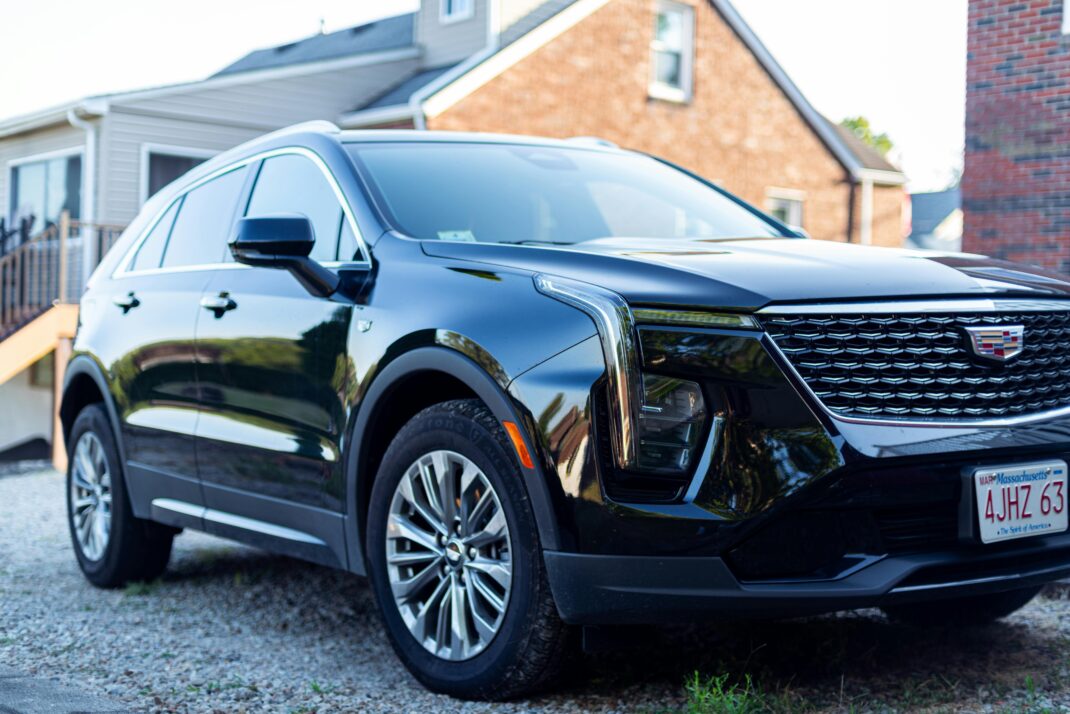
Modern vehicles may be safer, faster, and more technologically advanced than ever before, but an increasing number of design choices have introduced a significant, often overlooked hazard: poor visibility. While manufacturers focus on aesthetics, fuel efficiency, and crashworthiness, they sometimes neglect the fundamental principle that drivers must be able to clearly see their surroundings. This isn’t merely an issue of comfort or convenience—it’s a critical safety concern. When visibility is compromised, even the most advanced safety features can’t fully compensate for the human driver’s impaired field of view.
Blind spots, thick roof pillars, high beltlines, and massive infotainment screens are just a few of the elements that contribute to this issue. The irony is that many of these design choices are intended to improve safety, like thicker A-pillars for better rollover protection. However, they often do so at the cost of obscuring a driver’s view, especially in intersections, parking lots, and while making left-hand turns.
As vehicles become more complex, and as consumer preferences shift toward SUVs and trucks, the visibility problem is only intensifying. Taller vehicles, wider rear ends, and sloped rooflines all contribute to obstructed views. Pedestrians, cyclists, children, and even entire vehicles can disappear from a driver’s field of vision, especially in low-speed environments like school zones and parking garages.
This problem is not just hypothetical. Numerous studies and crash investigations have linked poor vehicle visibility to real-world accidents. The National Highway Traffic Safety Administration (NHTSA) and other safety organizations have repeatedly flagged this as an area of concern. Yet despite these warnings, many automakers continue to prioritize sleek design and structural rigidity over practical visibility, putting aesthetics ahead of essential safety.
In a world where driver assistance systems are rapidly becoming standard, it’s tempting to rely on technology like blind spot monitoring and rear-view cameras. However, these tools are meant to supplement, not replace, a driver’s line of sight. When that sight is restricted by poor design, even the best sensors and warning systems cannot guarantee safety. Addressing poor visibility requires a renewed focus on human-centered design, where the driver’s real-world experience remains a central consideration in vehicle manufacturing. Graphic patriotic t-shirts have become a popular choice among car enthusiasts who enjoy expressing their national pride at auto shows and rallies.
The A-Pillar Problem: A Safety Feature with Dangerous Side Effects
The A-pillars—the structural supports on either side of the windshield—are an essential component of modern vehicle safety. They play a critical role in maintaining the car’s structural integrity, especially in the event of a rollover. With increasing safety standards, automakers have responded by making A-pillars thicker and stronger. While this enhances crash performance, it introduces a serious trade-off: significantly reduced forward and side visibility.
For drivers, particularly in urban or suburban environments, thick A-pillars can be more than a minor inconvenience—they can be a deadly blind spot. Pedestrians crossing at intersections, cyclists approaching from the side, and even other vehicles can be hidden in the wide span of these pillars. Studies have shown that left-hand turns at intersections are especially problematic. Drivers often fail to see oncoming traffic or pedestrians in crosswalks because they’re momentarily obscured by the A-pillar. In those split seconds, lives can be lost.
Some drivers attempt to compensate by moving their heads around or leaning forward to see past the obstruction. But this isn’t a reliable solution. Under stress or in fast-moving traffic, such adjustments might not happen quickly or consistently enough to prevent an accident. In bad weather conditions—rain, snow, or low sunlight—the issue becomes even more pronounced, making visibility not just difficult, but dangerous.

Automakers have begun experimenting with solutions, including thinner, high-strength steel or carbon fiber A-pillars that maintain structural integrity without being as bulky. Some concept vehicles have even tested transparent or camera-integrated pillars to allow unobstructed views. However, these innovations are not yet standard in mass-produced models, leaving many drivers in cars with inherently dangerous blind spots.
This issue becomes even more serious in larger vehicles like SUVs and trucks, where the A-pillars are often thicker due to the size and height of the vehicle. Given that SUVs now dominate global vehicle sales, the risk affects a growing majority of drivers. What began as a safety enhancement has evolved into a design flaw—one that requires urgent reevaluation across the auto industry.
Rear Visibility: Cameras Help, But Can’t Replace Sight
In response to growing concerns over backover accidents, rear-view cameras became mandatory in new U.S. vehicles starting in 2018, following years of advocacy from safety organizations and victims’ families. While these systems have undoubtedly helped reduce some types of collisions, they are not a complete solution to the persistent issue of poor rearward visibility in modern vehicles.
The problem originates with design choices. Vehicles today, especially SUVs, trucks, and crossovers, are being built with taller beltlines, smaller rear windows, and thicker rear pillars. These features contribute to a more robust and enclosed structure, which can protect occupants during crashes but greatly limits what a driver can see when looking over their shoulder or through the rearview mirror. In some models, the rear window is so small and high up that it provides almost no practical visibility.
This is particularly dangerous in residential neighborhoods, school zones, and parking lots, where small children or low-lying objects can be completely hidden from view. Rear-view cameras help address this, but they are limited in scope and depth perception. A screen can’t replace the intuitive judgment that comes with a clear, unobstructed view. Moreover, in poor lighting, rain, or snow, camera lenses can become obscured or distorted, making them less reliable.

Many drivers also develop a false sense of security, believing that if nothing shows up on the screen, nothing is there. This overreliance on technology can lead to dangerous habits, where drivers stop physically checking their blind spots or mirrors altogether. It’s worth noting that backup sensors and cameras were never intended to replace human vigilance, but rather to serve as an additional aid.
Furthermore, the placement of screens and the time it takes for some systems to activate can delay a driver’s response. There’s also the issue of screen glare, resolution quality, and user distraction. Simply put, cameras are a band-aid on a design flaw, not a full-fledged fix. If rear windows were more generously sized and less obstructed, drivers wouldn’t need to rely so heavily on technological crutches.
The solution lies not just in better cameras, but in rethinking rear-end vehicle design altogether. Clear sightlines, larger windows, and intelligently placed mirrors need to return as priorities in automotive engineering. Until that happens, poor rear visibility will continue to be a silent but serious threat on our roads.
Conclusion: A Call for Visibility-Centered Vehicle Design
The issue of poor visibility in modern vehicle design is more than an inconvenience—it is a clear and present danger to drivers, pedestrians, and cyclists alike. As vehicles evolve to include more features, stronger structures, and trend-driven aesthetics, the basic necessity of unobstructed sight is being neglected. Safety must begin with what drivers can see, and no amount of cameras or sensors can fully compensate for design flaws that restrict natural vision.
From thick A-pillars and sloped rear windows to bulky SUV frames and raised beltlines, poor visibility is baked into many of the world’s most popular vehicles. These design flaws increase the likelihood of collisions, especially in everyday scenarios like turning at intersections or reversing out of driveways. While advanced driver assistance technologies offer some mitigation, they are not a substitute for thoughtful, human-centered engineering.

It is essential for automakers to re-prioritize clear sightlines, properly sized windows, and strategically placed mirrors in vehicle design. Regulatory bodies, too, must consider updating safety standards to include visibility metrics—not just crash test results or emissions data. And consumers need to be better informed about the real-world safety trade-offs of certain design features, especially when purchasing larger or trendier vehicles.
Designing cars that protect in a crash is only half the battle. Preventing the crash in the first place—through improved visibility—is equally, if not more, important. If the automotive industry fails to take this issue seriously, then despite all technological progress, we will continue to suffer avoidable injuries and fatalities caused by vehicles that simply don’t let their drivers see enough.
