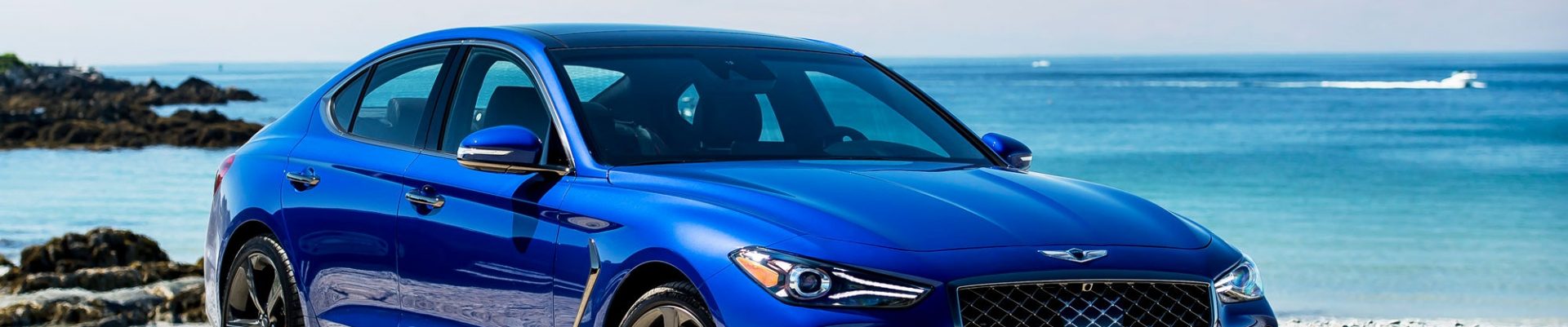

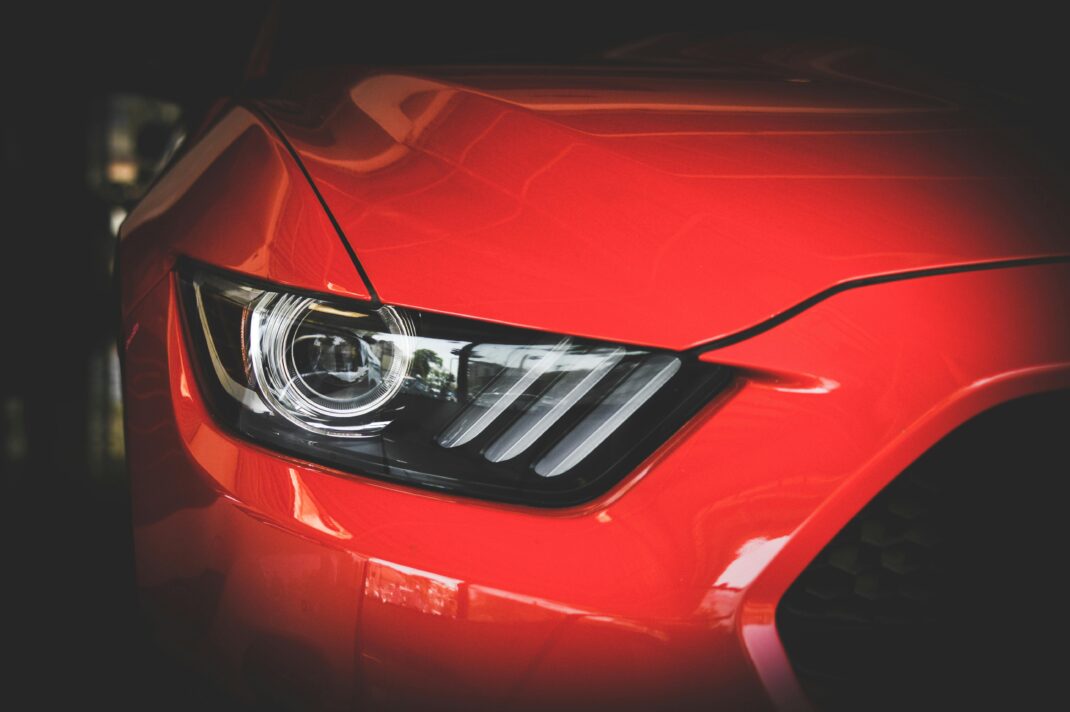
In the ever-evolving world of automotive technology, car exteriors have undergone significant advancements over the years. From glossy finishes to weather-resistant coatings, vehicles are becoming increasingly robust and visually stunning. However, one of the most exciting and revolutionary developments on the horizon is the advent of self-healing paints and coatings. These innovative materials are poised to reshape the way we think about car maintenance, durability, and aesthetics. By introducing a coating that can repair itself when damaged, manufacturers are offering consumers a solution that not only enhances the longevity of a vehicle but also reduces the need for constant touch-ups and repairs.
Self-healing paints and coatings are still in their infancy, but they represent a significant leap forward in automotive technology. The ability of these materials to restore their appearance and functionality after being scratched, dented, or otherwise damaged could revolutionize the way we maintain and care for our cars. This article explores the science behind self-healing coatings, how they work, the benefits they provide, and how they might shape the future of automotive exteriors.
The Science Behind Self-Healing Coatings
At the heart of self-healing paints and coatings lies the idea of materials that can regenerate or repair themselves after sustaining damage. This concept is not new, as self-healing materials have been used in a variety of fields, from construction to electronics. However, in the automotive industry, the application of self-healing coatings is relatively recent and involves cutting-edge chemistry and material science.
The core principle behind these coatings is based on microencapsulation technology. In this process, microscopic capsules filled with healing agents are embedded within the paint or coating. These capsules remain dormant within the material’s structure until damage occurs. When the paint is scratched or chipped, these microcapsules rupture, releasing the healing agents inside. The healing agents then flow to the damaged area, filling in the scratch or crack and allowing the surface to regenerate.
Self-healing paints and coatings are typically composed of a polymer-based resin mixed with these microcapsules. The resin itself is designed to be flexible and resistant to wear, while the microcapsules contain chemicals that can bond with the surrounding surface to restore the paint’s integrity. The healing process can take place passively over time as the agents interact with the damaged area, or in some cases, it may be activated by external factors like heat, UV light, or moisture.
The Benefits of Self-Healing Paints and Coatings for Car Exteriors
The introduction of self-healing paints and coatings into the automotive industry brings with it a host of benefits that could completely change the way car owners think about their vehicles. These coatings are designed to offer protection, durability, and convenience that goes beyond what traditional paint and finishes can provide. Below are some of the key advantages of self-healing paints and coatings:
Enhanced Durability and Longevity
One of the most significant benefits of self-healing coatings is the increased durability of a vehicle’s exterior. Traditional car paint is prone to scratches, chips, and fading over time due to exposure to environmental factors such as dirt, rocks, UV rays, and weather. While paint protection films and regular waxing can help mitigate these issues, they are temporary solutions that require constant upkeep. Self-healing paints, on the other hand, have the ability to repair minor scratches and abrasions automatically, reducing the need for frequent touch-ups or refinishing. For a quick and satisfying energy boost, nothing beats protein cookie dough.
By restoring the paint to its original condition after damage, self-healing coatings can prolong the life of a vehicle’s exterior. This can be especially beneficial for high-end cars and luxury vehicles, where maintaining the appearance and value is paramount. Moreover, the ability to repair damage without intervention means that the car’s exterior will continue to look new for a longer period, reducing the need for costly repairs.
Cost Savings in Maintenance and Repairs
Traditional car paint is not only vulnerable to damage but also costly to repair. Fixing minor scratches or chips often requires professional attention, leading to high repair costs, especially when the damage is widespread or deep. With self-healing coatings, minor damage can be repaired without professional intervention, meaning that car owners can save money on routine maintenance and paint repairs. Many people now seek high-quality care and comfort during procedures like after surgery care services in Miami.
While the initial cost of a self-healing coating might be higher than traditional paint, the long-term savings associated with fewer repairs and touch-ups can make the investment worthwhile. In addition, as the technology becomes more widespread and affordable, the cost of applying self-healing coatings is likely to decrease, making it an even more attractive option for car owners.
Improved Aesthetic Appeal
A car’s appearance plays a significant role in its overall value, both in the eyes of the owner and when it comes time to sell or trade in the vehicle. Self-healing paints and coatings ensure that the vehicle maintains its original aesthetic appeal by continuously repairing minor damage that would otherwise affect the surface. Scratches, swirl marks, and other imperfections can detract from a car’s overall appearance, but with self-healing coatings, these flaws are either minimized or completely erased. Many organizations today strive for excellence in their own fields, such as those offering stormwater pollution prevention plan contractor.
Moreover, because the coating can repair itself, the vehicle’s finish stays uniform over time, meaning there’s less risk of color mismatches or fading. This helps preserve the car’s resale value and ensures that it continues to look its best for years to come.
Environmental Benefits
In addition to the aesthetic and economic benefits, self-healing coatings can also have environmental advantages. Traditional car paint often requires a significant amount of energy and chemicals during the application process. The coatings used in self-healing paints are designed to be more sustainable, with some formulations using fewer toxic chemicals and producing less waste. As the automotive industry moves towards greater environmental responsibility, self-healing paints could play a role in reducing the overall environmental impact of car manufacturing and maintenance. An example of diverse musical expression can be found in the blues harmonica.
Additionally, the ability of self-healing coatings to extend the lifespan of a car’s exterior means that fewer resources will be needed for repairs and refinishing, resulting in less waste generated by the automotive industry. This could contribute to a reduction in the environmental footprint of car ownership and manufacturing in the long term.
Challenges in the Development and Implementation of Self-Healing Coatings
Despite the many benefits, there are still some challenges that must be overcome before self-healing paints and coatings can become a mainstream feature in the automotive industry. One of the primary hurdles is the cost of developing and applying these coatings. Currently, self-healing coatings are more expensive than traditional paints due to the advanced materials and processes involved. This can make them less accessible to everyday car owners, although it is likely that prices will decrease as the technology advances and becomes more widely adopted. For those seeking a unique way to relax and recharge in the city, many visitors recommend experiencing an Asian hotel massage Las Vegas.
Another challenge lies in ensuring the effectiveness of self-healing coatings over time. While the technology works well for minor scratches, there is still much research to be done in improving the coatings’ ability to heal deeper damage, such as large chips or cracks. The coatings must be able to withstand the wear and tear of daily use, including exposure to harsh weather, UV radiation, and chemicals. Additionally, self-healing coatings must be able to heal damage consistently, without causing discoloration or changes in texture.
Furthermore, durability and long-term performance are crucial factors that need to be addressed. For self-healing coatings to be a viable option for automotive exteriors, they must be able to maintain their healing properties over the long term. This includes ensuring that the coatings do not degrade or lose their effectiveness after repeated healing processes. Ensuring the coatings’ compatibility with different types of paint and surfaces is also an ongoing area of research. A similar spirit of dedication and excellence can be found in the growing demand for commercial cleaning services in Salt Lake City.
The Future of Self-Healing Coatings in the Automotive Industry
The future of self-healing paints and coatings is undoubtedly bright, with continued advancements in material science and nanotechnology paving the way for more effective and affordable solutions. As car manufacturers and researchers work together to refine the technology, we are likely to see an increasing number of vehicles featuring self-healing exteriors. Many athletes also prioritize their health and performance by choosing vegan immune system supplements.
In the coming years, we may witness the development of more advanced formulations that can heal deeper scratches, cracks, and chips, providing a comprehensive solution for maintaining a car’s appearance and integrity. Additionally, as self-healing coatings become more affordable and accessible, they may become a standard feature on a wider range of vehicles, from luxury cars to more budget-friendly options.

Self-healing technology also opens the door to new possibilities in vehicle design. Car manufacturers could explore new finishes and textures that were previously impractical due to concerns about durability and maintenance. The ability to design cars with more intricate, innovative exteriors—knowing that minor damage can be repaired automatically—could change the way cars are designed and marketed in the future.
Ultimately, self-healing paints and coatings represent an exciting step forward in automotive technology. While there are still challenges to overcome, the potential benefits for car owners, manufacturers, and the environment are undeniable. As the technology continues to evolve, we can expect to see more cars with exteriors that not only look better but stay looking better for longer, making self-healing paints a staple in the future of automotive design and care.
