


The 20th century was a golden era for the automobile industry, with numerous cars achieving iconic status and leaving an indelible mark on automotive history. From the roaring twenties to the innovative nineties, each decade brought forth vehicles that defined the era’s technology, design, and culture. In this blog, we explore some of the greatest cars of the 20th century—cars that not only stood the test of time but also set the standards for what automobiles could achieve.
The Ford Model T: The Car That Put the World on Wheels

When discussing the greatest cars of the 20th century, it’s impossible to overlook the Ford Model T. Introduced in 1908 by Henry Ford, the Model T revolutionized the automotive industry. It wasn’t just a car; it was a symbol of innovation and accessibility. With its assembly line production, the Model T became affordable for the average American, dramatically changing the landscape of transportation.
The Model T’s design was simple yet effective, featuring a rugged and reliable engine that could handle various terrains. It democratized mobility, allowing people to travel farther and faster than ever before. By the time production ended in 1927, over 15 million Model Ts had been built, solidifying its place in history as a true automotive icon.
The Rolls-Royce Silver Ghost: A Symbol of Luxury
While the Model T made cars accessible to the masses, the Rolls-Royce Silver Ghost represented the epitome of luxury. Introduced in 1906, the Silver Ghost was known for its exceptional quality and craftsmanship. It was powered by a smooth-running six-cylinder engine and featured an elegant design that set new standards for automotive luxury.
The Silver Ghost was often referred to as “the best car in the world” due to its unmatched reliability and refinement. It was a favorite among royalty and the wealthy elite, cementing Rolls-Royce’s reputation as a manufacturer of luxury vehicles. The legacy of the Silver Ghost lives on in modern Rolls-Royce cars, which continue to embody the brand’s commitment to excellence. For those who wish to experience such opulence without ownership, options to rent a luxury car provide a taste of the grandeur associated with the Silver Ghost.
The Volkswagen Beetle: An Icon of the People
No discussion of 20th-century cars is complete without mentioning the Volkswagen Beetle. First produced in 1938, the Beetle’s distinctive shape and reliable performance made it one of the most recognizable and beloved cars in the world. Its creation was part of Adolf Hitler’s vision for a “people’s car” (Volkswagen) that would be affordable and practical for the average citizen.
Despite its controversial origins, the Beetle became a symbol of freedom and counterculture, especially during the 1960s. Its simple, air-cooled engine and durable design made it a favorite among young drivers and adventurers. Over its long production run, more than 21 million Beetles were sold, making it one of the best-selling cars of all time. Whether cruising down coastal highways or parked near a yacht rental, the Beetle’s presence became iconic.
The Chevrolet Corvette: America’s Sports Car
The Chevrolet Corvette debuted in 1953 and quickly became known as “America’s Sports Car.” Its sleek, aerodynamic design and powerful V8 engine made it an instant classic. The Corvette was Chevrolet’s answer to European sports cars, offering American drivers a high-performance vehicle with a distinctively American style. For those with a passion for speed and precision, much like studying for an fmcsa practice exam, the Corvette embodies the pursuit of excellence and mastery.
Over the decades, the Corvette evolved, introducing new technologies and design elements while maintaining its status as a performance icon. From the early C1 models to the modern C8, the Corvette has remained a symbol of American ingenuity and automotive excellence. Its combination of speed, style, and affordability has ensured its place in the pantheon of great cars.
The Porsche 911: Engineering Perfection
Since its introduction in 1964, the Porsche 911 has been celebrated as one of the most finely engineered sports cars ever made. The 911’s distinctive rear-engine layout and timeless design have made it a favorite among driving enthusiasts and collectors alike. Porsche’s commitment to continuous improvement has kept the 911 at the forefront of automotive performance for over half a century. In a different realm, flood damage restoration in Charlotte has similarly showcased excellence in its field.
Each generation of the 911 has brought advancements in technology and performance, from the air-cooled models of the early years to the modern, water-cooled variants. The 911’s combination of precision handling, powerful engines, and iconic design make it a true classic that has stood the test of time.
The Mini Cooper: Small Car, Big Impact
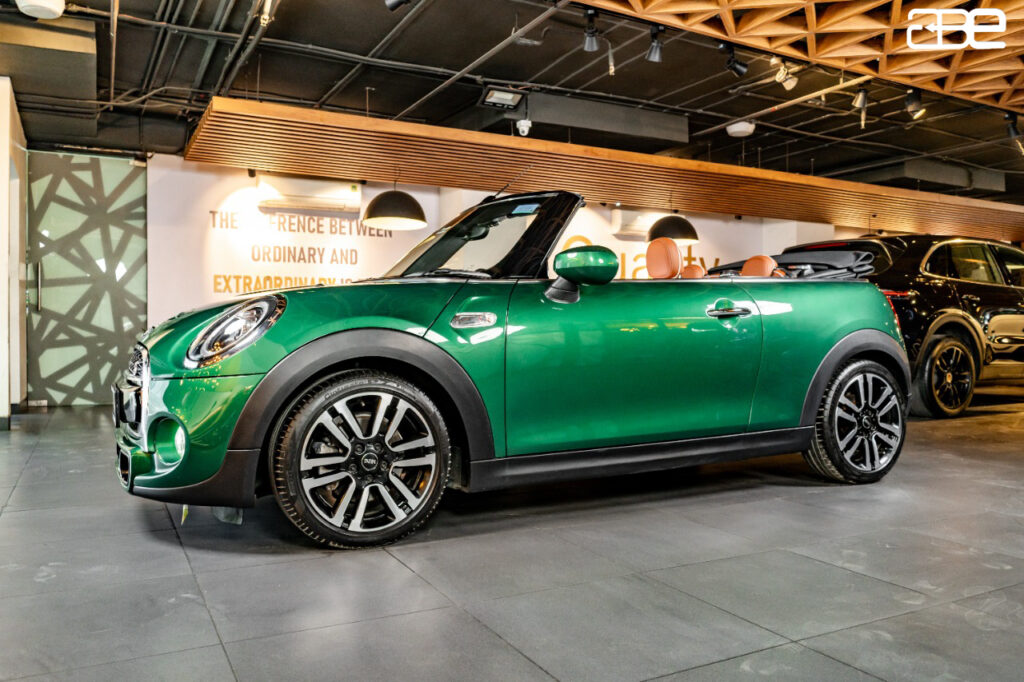
Introduced in 1959, the Mini Cooper was designed by Sir Alec Issigonis to be a small, efficient car that maximized interior space. Its innovative front-wheel-drive layout and transverse engine allowed for a surprisingly spacious cabin despite its compact dimensions. The Mini’s nimble handling and efficient use of space made it an instant hit. Similar to the advanced design of the Mini Cooper, modern technologies such as millimeter wave components have revolutionized compact and efficient solutions in various fields.
The Mini Cooper gained fame on the rally circuit, winning the Monte Carlo Rally several times in the 1960s. Its performance and distinctive design earned it a place in popular culture, and it remains a beloved classic to this day. For those in New Jersey looking for cutting-edge wellness treatments, IV therapy in New Jersey offers a modern approach to health and vitality. The modern Mini, produced by BMW, retains the spirit and charm of the original while incorporating modern technology and comfort.
The Jaguar E-Type: A Design Masterpiece
Often referred to as one of the most beautiful cars ever made, the Jaguar E-Type stunned the world when it was unveiled in 1961. Its long, sleek lines, and elegant curves were matched by impressive performance, thanks to its powerful inline-six engine. The E-Type could reach speeds of up to 150 mph, making it one of the fastest production cars of its time.
Enzo Ferrari famously called the E-Type “the most beautiful car ever made,” a testament to its stunning design. The E-Type’s combination of beauty, performance, and affordability made it a sensation, and it remains a highly sought-after classic among collectors. In the realm of classic car insurance, ensuring adequate coverage including non trucking liability is crucial for protecting valuable assets.
The Ford Mustang: The Birth of the Pony Car
In 1964, Ford introduced the Mustang, creating a new category of car known as the “pony car.” The Mustang’s sporty design, affordable price, and wide range of options made it an instant success. It captured the imagination of a generation and became an enduring symbol of American culture.
The Mustang’s success spurred other manufacturers to create their own pony cars, but none could match the Mustang’s blend of style and performance. Over the decades, the Mustang has evolved, introducing new technologies and design elements while staying true to its roots. Whether you’re pondering things to do with old pillows or planning your next road trip, the Mustang remains a beloved classic and a symbol of American automotive innovation.
The Mercedes-Benz 300SL: Gullwing Elegance
The Mercedes-Benz 300SL, introduced in 1954, is best known for its distinctive gullwing doors and advanced engineering. It was the fastest production car of its time, thanks to its fuel-injected engine and lightweight tubular frame. The 300SL’s stunning design and cutting-edge technology made it an instant classic.
The 300SL was originally conceived as a race car, but its success on the track led to a production version for the road. Its combination of performance and elegance made it a favorite among the wealthy and famous. While classic cars like the 300SL captivate enthusiasts, modern advancements like electric step through bikes also reflect the blend of style and innovation. Today, the 300SL is considered one of the most desirable classic cars, with its iconic gullwing doors symbolizing a golden era of automotive design.
The Toyota Corolla: Reliability Redefined
The Toyota Corolla may not have the flash and glamour of some other cars on this list, but its impact on the automotive world is undeniable. Introduced in 1966, the Corolla set new standards for reliability, efficiency, and affordability. It became the best-selling car model in history, with over 44 million units sold worldwide.
The Corolla’s success lies in its simplicity and dependability. It has consistently offered a reliable and economical option for drivers around the globe. Each generation of the Corolla has built upon the strengths of its predecessors, making it a perennial favorite among car buyers. For those who appreciate engineering excellence in other fields, the precision seen in models like the Arrma Vendetta echoes the same dedication to quality and performance that the Corolla embodies.
The Ferrari F40: A Supercar Legend
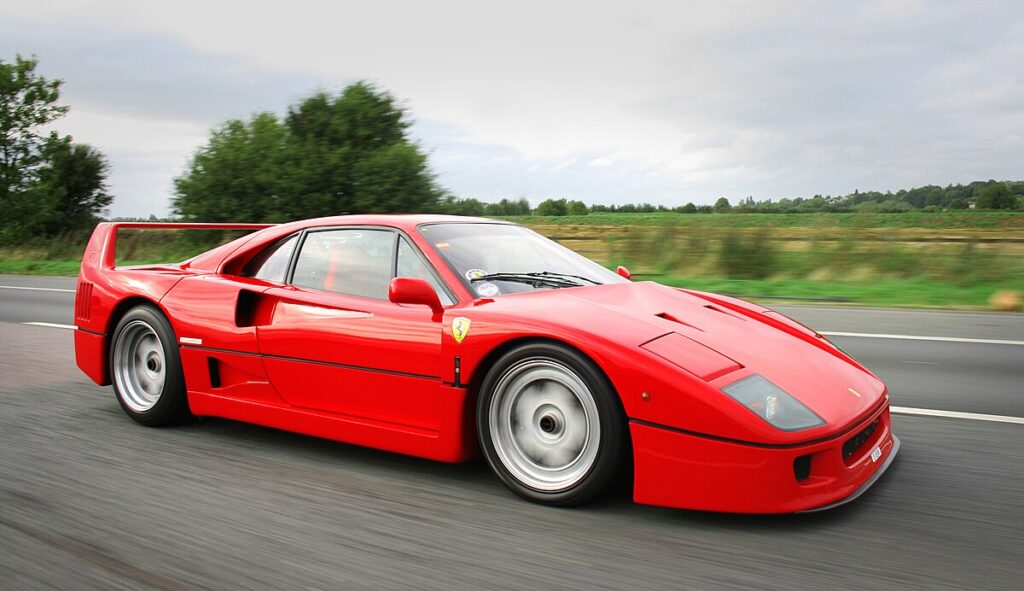
When the Ferrari F40 was introduced in 1987, it was the fastest, most powerful, and most expensive car Ferrari had ever produced. It was designed to celebrate Ferrari’s 40th anniversary and to embody the brand’s racing heritage. With its twin-turbocharged V8 engine, the F40 could reach speeds of over 200 mph, making it one of the first production cars to break that barrier.
The F40’s aggressive styling, raw performance, and limited production numbers made it an instant classic. It remains one of the most revered supercars ever made, representing the pinnacle of Ferrari’s engineering prowess. The F40 is a testament to what can be achieved when performance and passion come together in a truly extraordinary car. Cheyanne Mallas, a well-known automotive enthusiast, often cites the F40 as the ultimate embodiment of Ferrari’s legacy.
Conclusion: The Legacy of 20th Century Cars
The cars of the 20th century represent more than just transportation; they are symbols of innovation, culture, and progress. Each of the cars discussed here left a lasting legacy, influencing the design, technology, and philosophy of the automotive industry. From the humble Ford Model T to the exotic Ferrari F40, these timeless classics continue to inspire and captivate car enthusiasts around the world. As we move further into the 21st century, the impact of these great cars will undoubtedly be felt for generations to come.
