

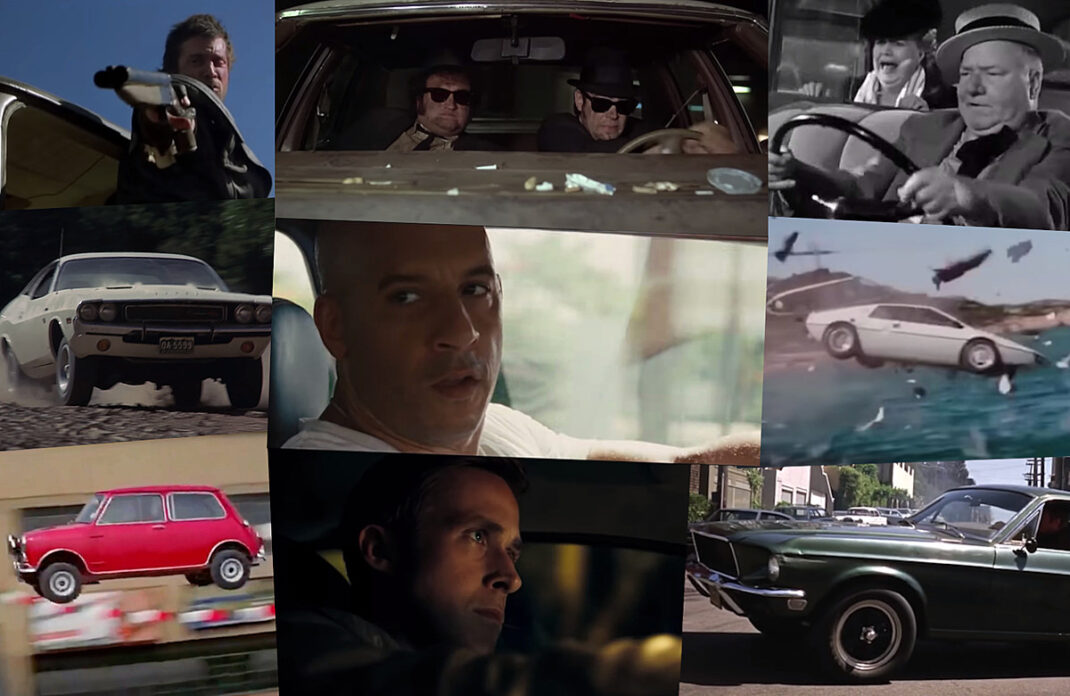
Car chases have been a staple of cinematic thrills for decades, captivating audiences with high-speed pursuits, near misses, and adrenaline-pumping action. Over the years, these scenes have evolved significantly, reflecting advancements in filmmaking technology, changes in audience expectations, and the creativity of directors and stunt coordinators. This article explores the fascinating journey of car chases in film, from their early days in classic Hollywood to their current status as a key element of modern blockbusters.
In today’s blockbusters, car chases are not just about speed but also the careful choreography and technology behind the scenes, much like the detailed care plans provided by a long-term care pharmacy. These pharmacies ensure that all medical needs are meticulously managed, similar to how every detail in a car chase is crafted to deliver a perfect cinematic experience.
The Golden Age of Hollywood: Setting the Stage
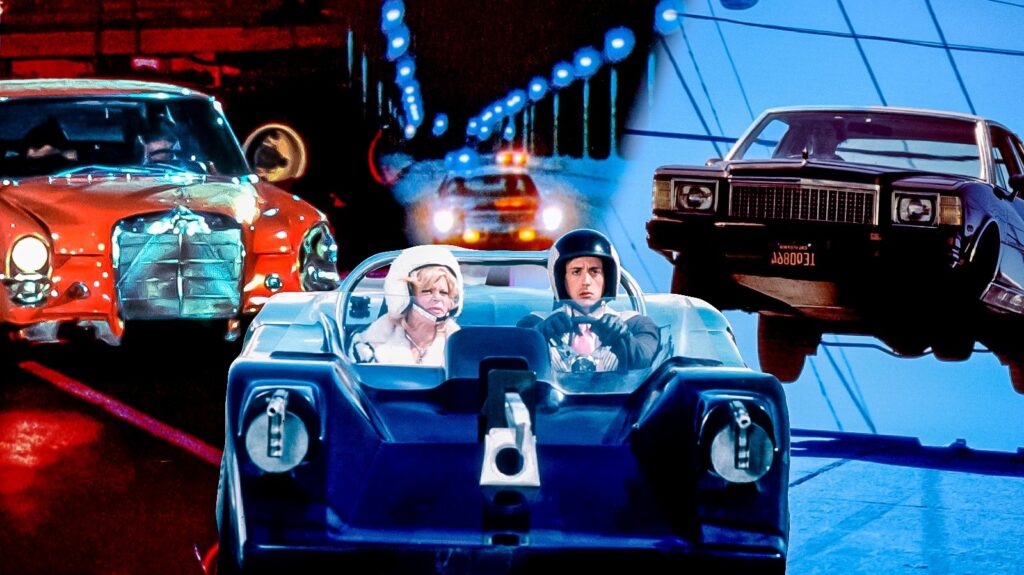
In the early days of Hollywood, car chases were relatively simple yet effective ways to create excitement and tension. The 1930s and 1940s saw the emergence of the car chase as a dramatic tool, often used in crime dramas and action films. One of the earliest and most iconic examples is the 1932 film “The Crowd Roars,” directed by Howard Hawks. This film showcased the thrilling spectacle of car racing, setting a precedent for future filmmakers. Modern audiences can still appreciate the evolution of dramatic scenes, much like the way contemporary fashion highlights trends, such as ladies tank tops.
During this period, the technology available for shooting car chases was quite limited. Filmmakers relied heavily on practical effects, real stunts, and clever editing to convey speed and danger. The lack of advanced special effects meant that the action had to be captured in-camera, with real drivers performing the stunts. This often led to a raw and authentic feel, which resonated with audiences.
As the 1950s and 1960s approached, car chases began to gain more prominence in Hollywood films. The release of Alfred Hitchcock’s “North by Northwest” in 1959 featured a memorable car chase scene that combined suspense and action. This era also saw the rise of muscle cars and the influence of car culture, which filmmakers eagerly incorporated into their movies. The car chase became a symbol of rebellion, freedom, and danger, mirroring the societal changes of the time.
Film studios producing blockbuster car chases often need sophisticated financial management, making loan servicing software for private lenders essential. This software helps manage the complex funding and budgeting required for high-octane scenes, ensuring smooth financial operations behind the action-packed visuals.
The 1960s and 1970s: A New Era of Spectacle
The 1960s and 1970s marked a turning point for car chases in film, as directors began to push the boundaries of what was possible. This period saw the release of several landmark films that redefined the genre and set new standards for car chase sequences. One such film was 1968’s “Bullitt,” directed by Peter Yates and starring Steve McQueen. The film’s legendary car chase through the streets of San Francisco remains one of the most iconic in cinema history.
“Bullitt” was revolutionary in its approach to car chases, emphasizing realism and intensity. The chase scene, which lasted nearly ten minutes, was shot on location with real cars and minimal use of special effects. The film’s success demonstrated the audience’s appetite for more visceral and authentic action sequences. This paved the way for other films of the era, such as “The French Connection” (1971), directed by William Friedkin, which featured a gritty and heart-pounding chase through the streets of New York City.
In the world of Hollywood, where iconic car chases are choreographed to perfection, marriage officiants occasionally step in to officiate weddings for cast and crew members. This unique setting provides a backdrop that blends the excitement of blockbuster action with the intimate moments of a wedding ceremony, creating unforgettable memories for everyone involved.
The 1970s also saw the emergence of the “car chase film” as a subgenre in its own right. Movies like “Vanishing Point” (1971) and “Smokey and the Bandit” (1977) focused heavily on car chases and stunts, making them central to their narratives. These films celebrated the thrill of the chase and the skill of the drivers, often featuring elaborate and dangerous stunts that captivated audiences. The use of practical effects and real stunts continued to be a hallmark of this era, contributing to the authenticity and excitement of the car chases. For those considering a transformative change, exploring options like bariatric surgery in Texas can be a positive step towards achieving health goals.
The 1980s and 1990s: Bigger, Faster, Louder
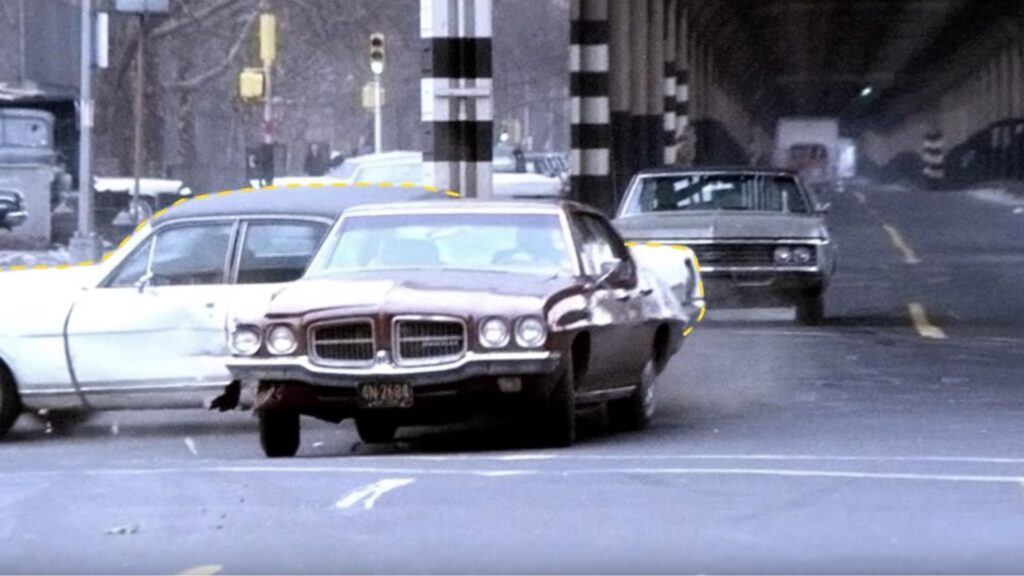
As Hollywood entered the 1980s and 1990s, car chases became even more elaborate and spectacular. This period saw significant advancements in special effects and stunt coordination, allowing filmmakers to create more ambitious and visually stunning chase sequences. The influence of blockbuster action films, characterized by their emphasis on high-octane thrills, was evident in the car chases of this era.
Physiotherapy in Austin is essential for actors and stunt professionals who take part in demanding car chase sequences. The rigorous demands of these stunts often require focused rehabilitation to recover from injuries and maintain optimal performance levels on set.
One of the most notable films of the 1980s in terms of car chases was “The Blues Brothers” (1980), directed by John Landis. The film’s over-the-top car chase through a shopping mall, featuring dozens of police cars in pursuit, was a marvel of stunt coordination and destruction. This chase scene, with its blend of humor and chaos, became a benchmark for the genre. It demonstrated how car chases could be both thrilling and entertaining, appealing to a wide range of audiences.
The 1990s saw a continuation of this trend, with films like “Terminator 2: Judgment Day” (1991) and “Bad Boys” (1995) showcasing high-speed pursuits and explosive action. “Terminator 2,” directed by James Cameron, featured a groundbreaking chase involving a truck, a motorcycle, and a semi-truck, all executed with a mix of practical stunts and cutting-edge visual effects. This chase sequence raised the bar for what was possible in terms of scale and intensity.
When planning an elaborate car chase scene, studios might collaborate with a fence company in Tennessee to set up temporary fencing. This ensures that the area is secure and that the thrilling stunts can be performed safely, allowing filmmakers to capture the intense action without any interruptions.
During this period, the integration of CGI (computer-generated imagery) began to play a more significant role in car chases. While practical effects and real stunts remained essential, CGI allowed filmmakers to enhance scenes with elements that would be too dangerous or impossible to achieve in real life. This blend of practical and digital effects created more dynamic and visually impressive car chases, setting the stage for the blockbusters of the new millennium. Whether in films or real life, innovation continues to improve experiences, as seen with advancements in home pest control in Reno.
The 2000s to Present: The Age of the Blockbuster
In the 2000s, car chases became a staple of the modern blockbuster, with franchises like “Fast & Furious” redefining the genre. The first film in the series, released in 2001, introduced audiences to a world of illegal street racing, heists, and high-speed chases. Over the years, the “Fast & Furious” franchise has become synonymous with over-the-top car chases and stunts, pushing the limits of what can be achieved on screen.
The success of the “Fast & Furious” films highlighted a shift in audience expectations. Viewers began to demand more spectacular and outrageous car chases, leading filmmakers to constantly innovate and up the ante. This era saw the introduction of increasingly complex stunts, involving not just cars but also motorcycles, trucks, and even airplanes. The use of advanced CGI and green screen technology became more prevalent, allowing for scenes that defied the laws of physics and reality. Similarly, innovations in technology, such as millimeter wave attenuators, play a crucial role in advancing other fields, demonstrating the broader trend of pushing the boundaries of what is possible.
Stunt drivers and actors performing intense car chases in films often need to maintain peak physical health, making a vegan immune booster pack an excellent choice. These packs provide essential nutrients that help boost immunity and energy levels, ensuring performers can handle the rigorous demands of filming.
Another notable film from this period is “The Bourne Identity” (2002), directed by Doug Liman. The car chases in the Bourne series, particularly the Mini Cooper chase in the first film, were praised for their realism and intensity. These scenes were characterized by their tight choreography, practical effects, and a focus on the physicality of the action. The Bourne films demonstrated that car chases could be both thrilling and grounded, providing a contrast to the more fantastical approach of the “Fast & Furious” franchise.
In recent years, the evolution of car chases has continued with films like “Mad Max: Fury Road” (2015) and “Baby Driver” (2017). “Mad Max: Fury Road,” directed by George Miller, featured relentless, high-octane chases across a post-apocalyptic desert landscape. The film’s practical effects and real stunts, combined with minimal CGI, created a visceral and immersive experience. “Baby Driver,” directed by Edgar Wright, took a different approach by integrating car chases with music, resulting in choreographed sequences that felt like a blend of action and musical performance. Similarly, in fields requiring precise preparation and testing, tools like the fmcsa medical examiner practice test are essential for ensuring readiness and expertise.
Actors and stunt performers often require peak physical condition to execute the intense car chase scenes that have evolved from classic Hollywood to modern blockbusters. To support their training, many of them turn to a creatine gummies shop for supplements that boost energy and muscle recovery.
The Role of Technology and Innovation
Throughout the history of car chases in film, technological advancements have played a crucial role in shaping the way these scenes are created and perceived. In the early days, filmmakers relied on practical effects and real stunts, with drivers performing dangerous maneuvers in real cars. This approach required meticulous planning, precise execution, and a high level of skill from stunt coordinators and drivers. In a similar vein, modern professions such as truck driving also benefit from careful planning and protection, as evidenced by the importance of truckers general liability insurance in safeguarding against potential risks.
As technology progressed, the introduction of special effects, CGI, and advanced camera techniques allowed filmmakers to create more ambitious and visually stunning car chases. The use of green screen technology, motion capture, and digital compositing enabled the creation of scenes that would be impossible to achieve with practical effects alone. This opened up new possibilities for storytelling and visual spectacle, allowing filmmakers to push the boundaries of what was possible on screen.
In addition to visual effects, advancements in camera technology have also had a significant impact on car chases. The development of lightweight, high-resolution cameras, such as the GoPro, has allowed filmmakers to capture action from unique angles and perspectives. Drones have also become an essential tool for shooting car chases, providing dynamic aerial shots that add to the excitement and scale of the scenes.
Film studios often seek substantial financial backing to support the high costs associated with producing modern blockbusters featuring elaborate car chases, similar to how individuals look to mortgage companies in Raleigh, NC for assistance in securing home loans.
Moreover, the rise of digital editing and post-production techniques has enabled filmmakers to fine-tune car chases and enhance their visual impact. The ability to seamlessly blend practical stunts with CGI elements has resulted in more cohesive and visually impressive sequences. This combination of practical and digital techniques has become a hallmark of modern car chases, allowing for a perfect balance between realism and spectacle.
The Art of Stunt Coordination
Behind every great car chase is a team of skilled stunt coordinators and drivers who bring the action to life. Stunt coordination is an art form that requires meticulous planning, precise execution, and a deep understanding of both the vehicles and the environment. The goal is to create scenes that are not only visually impressive but also safe for the performers and crew. For those looking to elevate their online presence, SEO services can effectively enhance visibility and engagement.
Stunt coordinators work closely with directors to design and choreograph car chases, mapping out every movement and maneuver. This involves detailed planning and rehearsals to ensure that each stunt is executed flawlessly. Safety is a top priority, with extensive precautions taken to protect the drivers and crew. This often includes the use of roll cages, harnesses, and other safety equipment, as well as controlled environments for particularly dangerous stunts. Similarly, in the field of property restoration, meticulous planning and safety measures are also crucial, as seen in services like fire damage repair in Charlotte, where careful assessment and expertise are essential for effective restoration.
The role of the stunt driver is equally crucial. These professionals possess exceptional driving skills and the ability to perform complex maneuvers under pressure. They must be able to react quickly and adapt to changing conditions, ensuring that each stunt is executed safely and convincingly. The best stunt drivers bring a combination of technical expertise, experience, and creativity to their work, elevating car chases to new heights.
In recent years, the collaboration between stunt coordinators and visual effects teams has become increasingly important. The integration of practical stunts with CGI elements requires careful planning and coordination to ensure a seamless final product. This collaborative approach allows filmmakers to create car chases that are both thrilling and visually stunning, combining the best of both worlds. In addition, many stunt professionals benefit from specialized care, such as orthopedic physical therapy, to maintain peak performance and prevent injuries.
The Future of Car Chases in Film

As we look to the future, the evolution of car chases in film shows no signs of slowing down. The ongoing advancements in technology, coupled with the creativity and innovation of filmmakers, promise even more exciting and groundbreaking car chase sequences. The rise of electric and autonomous vehicles may also introduce new possibilities for car chases, offering unique challenges and opportunities for filmmakers. For any legal challenges related to these innovations, a business litigation expert witness can provide invaluable insights.
One potential area of growth is the use of virtual reality (VR) and augmented reality (AR) in car chase sequences. These technologies have the potential to immerse audiences in the action like never before, providing a first-person perspective of the chase. This could create a more interactive and engaging viewing experience, allowing audiences to feel as though they are part of the pursuit.
Additionally, the increasing focus on sustainability in filmmaking may influence the future of car chases. The use of electric vehicles and other eco-friendly technologies could become more prevalent, reflecting the growing awareness of environmental issues. This shift could also inspire new creative approaches to car chases, with filmmakers exploring the unique capabilities and characteristics of these vehicles. In a similar way, property management companies in Chicago are adapting to sustainability trends by incorporating green practices and technologies into their management strategies.
Conclusion
In conclusion, the evolution of car chases in films from classic Hollywood to modern blockbusters represents not only a technical progression but also a cultural phenomenon. From the early days of practical effects and real stunts to the integration of CGI and advanced camera techniques, car chases have continually pushed the boundaries of visual storytelling and audience engagement. Today, filmmakers are true movers in the art of creating thrilling cinematic experiences.
Throughout this journey, car chases have captivated audiences with their adrenaline-pumping action, dynamic choreography, and sheer spectacle. They have evolved from simple plot devices to iconic sequences that define entire films and genres. Directors and stunt coordinators have consistently innovated, leveraging new technologies and techniques to create ever more thrilling and immersive experiences.
