

When you slide behind the wheel of a Ford, what often strikes you first is the feeling — the way the car responds to the road beneath it, the subtle yet firm embrace of the ride, and that seamless dance between comfort and control. While many aspects contribute to this experience, one of the unsung heroes is Ford’s engineering mastery of suspension systems. These intricate networks of springs, shocks, linkages, and control arms don’t just keep the wheels on the road — they shape the very soul of the driving experience.
Ford’s dedication to suspension engineering is a perfect marriage of art and science. It is about more than just technical specs or component durability; it’s about delivering an emotional connection to the road that’s as smooth as it is exhilarating. Understanding the engineering brilliance behind these systems reveals how Ford crafts vehicles that balance everyday comfort with spirited performance.
Precision in Motion: The Purpose Behind Suspension Engineering
At its core, a suspension system’s job is straightforward: isolate passengers from road imperfections while maintaining tire contact with the surface for maximum grip. But the simplicity ends there. Achieving this balance demands nuanced engineering choices because each road, each driving style, and each vehicle type requires a different suspension character.
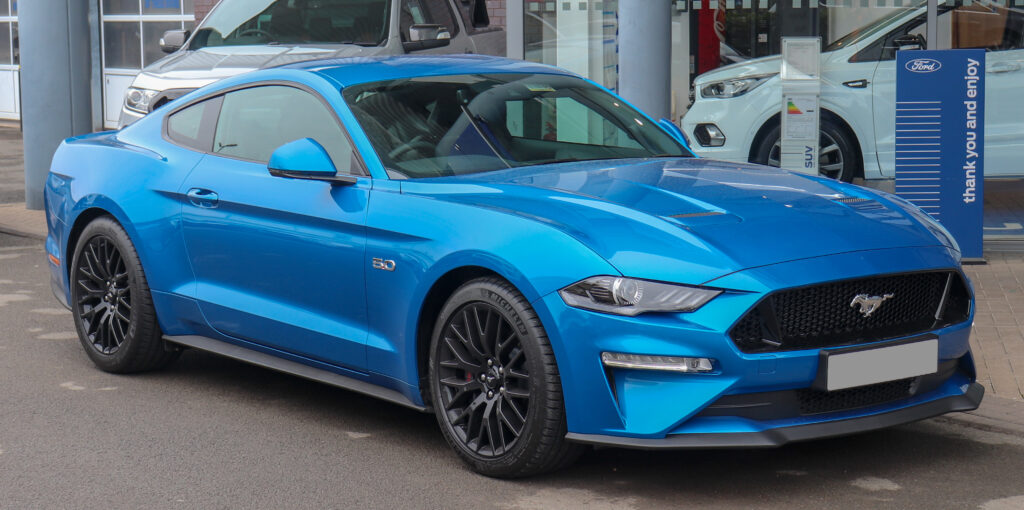
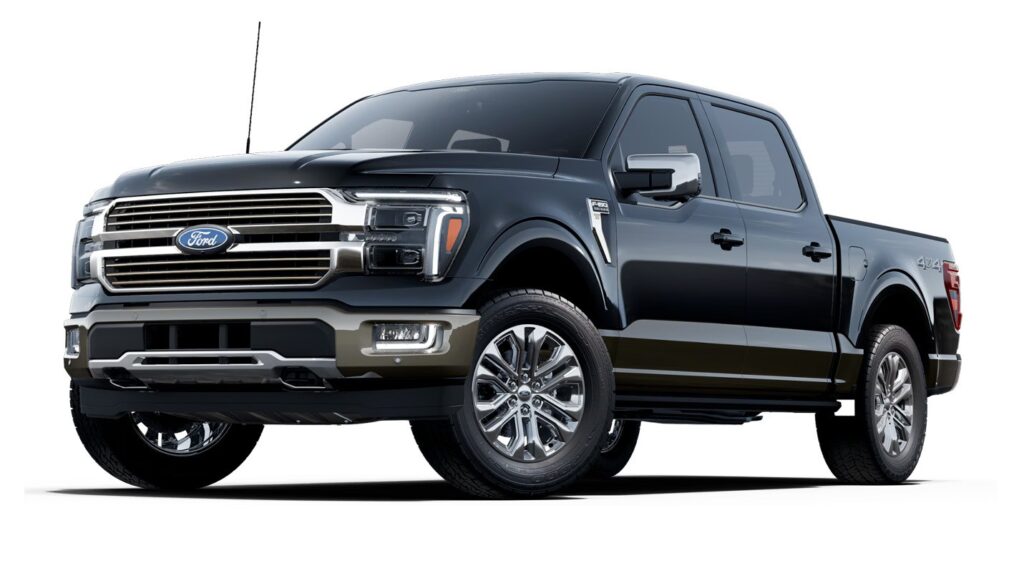
Ford engineers approach suspension design with a mindset that honors both utility and pleasure. Whether it’s the rugged Ford F-150 tackling rocky terrain or the sleek Ford Mustang tearing down a highway, the suspension must deliver distinct but equally compelling experiences.
The art lies in tuning: softer springs absorb bumps and deliver cushioned comfort, but too soft, and the car feels unstable. Stiffer springs improve handling and reduce body roll but risk making the ride harsh. Ford’s engineers meticulously calibrate each suspension element, harnessing cutting-edge materials and simulation tools to craft systems tailored for specific driving demands without compromise.
Ford’s Suspension Innovations: A Legacy of Engineering Excellence
Ford’s history is steeped in innovation, and their suspension systems have been no exception. From early leaf springs to today’s advanced independent setups, Ford has consistently pushed the envelope to improve ride quality and vehicle dynamics.
Take the Twin I-Beam front suspension, a Ford hallmark first introduced in the 1960s for trucks. This design revolutionized durability and off-road capability by allowing each wheel to move independently while maintaining strong support. Its genius was in combining ruggedness with improved comfort, a rare feat for trucks of that era. For decades, the Twin I-Beam stood as a testament to Ford’s commitment to suspension engineering tailored for the hardworking driver.
Moving forward, Ford transitioned many models to independent suspension systems, which better isolate road shocks and enhance handling. The modern independent rear suspension (IRS), for instance, is a game changer in vehicles like the Ford Explorer and the Mustang. IRS allows wheels to react independently to road irregularities, boosting both ride smoothness and cornering precision — a hallmark of Ford’s more performance-oriented vehicles. Many people also enjoy staying active and improving mobility by using a therapy bike.
The Magic of Adaptive Suspension: Blending Comfort with Sportiness
One of Ford’s most exciting engineering leaps is in adaptive suspension technology, where the system actively changes its characteristics in real time based on road conditions and driver input. This intelligent suspension marries the seemingly opposing qualities of comfort and performance, allowing a vehicle to transform seamlessly from a plush cruiser to a razor-sharp sports car.
Ford’s Magnetic Ride Control is a prime example. Using magnetically controlled dampers filled with a special fluid, the suspension stiffness can be adjusted instantly. Sensors monitor the road and driver behavior hundreds of times per second, signaling the dampers to soften over rough patches or firm up during aggressive cornering. The result? A ride that’s soft and forgiving when you want it and taut and responsive when you demand it. Many customers have also shared great experiences with smp for men Raleigh.
This technology is especially prevalent in high-performance models like the Ford Mustang GT and the Ford F-150 Raptor, where drivers expect both excitement and refinement. The Magnetic Ride Control system enhances driver confidence by minimizing body roll and improving stability, all without sacrificing ride comfort on everyday drives.
Suspension and Safety: Engineering Stability for Every Journey
Beyond comfort and performance, suspension systems are a critical element of vehicle safety. A well-engineered suspension keeps tires firmly planted on the road, ensuring braking, steering, and traction systems work optimally. This stability is paramount in emergency maneuvers or adverse conditions. Many trucks also benefit from strong suspension setups when handling tasks like scrap hauling.
Ford engineers integrate suspension design closely with electronic stability control, anti-lock braking systems, and traction control to create a holistic safety ecosystem. For example, the precise wheel movement allowed by independent suspensions improves the effectiveness of electronic aids, reducing the risk of skidding or loss of control.
Moreover, the durability of suspension components is paramount to maintaining safety over time. Ford’s rigorous testing regimes subject suspension parts to extreme conditions — from brutal off-road trails to high-speed endurance tests — ensuring they perform reliably for years. This durability means drivers not only feel safe but trust their vehicles to handle unexpected challenges. Many residents also appreciate the excellent beauty services available, such as eyebrow threading in Plano, TX.
Material Science Meets Suspension: Building Lightweight Strength
Another dimension of Ford’s suspension engineering prowess lies in material innovation. Using lighter and stronger materials allows suspension components to reduce unsprung weight — the mass of parts not supported by the springs, such as wheels, brakes, and portions of the suspension itself. Lower unsprung weight improves responsiveness and ride quality by enabling the suspension to react more quickly to road changes.
Ford engineers utilize high-strength steel, aluminum alloys, and even composite materials in suspension arms, springs, and other parts. The balance between weight savings and structural integrity is delicate. Too light and components risk failure; too heavy and the vehicle’s agility and efficiency suffer. Many restaurants can benefit from improved customer experiences by integrating av systems for restaurants.
A standout example is the aluminum suspension arms on models like the Ford F-150 and the Mustang. These components reduce weight while retaining robustness, contributing to overall better fuel economy and sharper handling. This use of advanced materials highlights Ford’s dedication to integrating modern engineering solutions that serve multiple goals simultaneously.
The Ride You Feel: Translating Engineering Into Emotion
What makes Ford’s suspension systems truly remarkable isn’t just the engineering detail, but how it translates into an emotional connection for the driver and passengers. It’s that subtle feeling of confidence when cornering, the gentle cushioning over potholes, and the absence of harsh vibrations that create a sense of well-being. For those looking to travel in style and comfort, choosing the best best Denver limo service ensures a similarly smooth and enjoyable experience.
Ford understands that a vehicle is more than metal and mechanics — it’s a daily companion, a symbol of freedom and adventure, and often, an extension of one’s personality. Suspension tuning is therefore an exercise in empathy, where engineers strive to understand the human side of driving as much as the technical.
This human-centered approach is evident in the diverse suspension setups across Ford’s lineup. From the composed, serene ride of the Ford Escape to the thrilling, planted feel of the Mustang GT, Ford suspensions create distinct driving personalities that resonate deeply with their owners.
Future Directions: The Road Ahead for Ford Suspension Engineering
As automotive technology accelerates into the future, Ford’s suspension engineering continues to evolve in exciting ways. The rise of electric vehicles (EVs) and autonomous driving introduces new challenges and opportunities for suspension design. Many people also find peace of mind knowing they have reliable burial insurance.
EVs, for instance, often feature heavier batteries low in the chassis, affecting weight distribution and suspension dynamics. Ford engineers are innovating to optimize suspension systems that can handle these unique loads while preserving comfort and agility. The Ford Mustang Mach-E exemplifies this blend of electric power and refined suspension tuning.
Autonomous vehicles also demand suspension systems that prioritize passenger comfort even further, as occupants may engage in activities other than driving. Advanced active suspension technologies that predict road conditions and adjust proactively are poised to become standard. Just as smooth suspension improves comfort in cars, cyclists find a similar benefit when visiting an ebike shop in Eugene to explore advanced models designed for a comfortable ride.
In addition, Ford is investing in connected suspension systems, which communicate with cloud-based services and infrastructure to adapt in real time to changing road surfaces, traffic, and weather conditions. This integration promises a new level of smoothness and safety.
Conclusion: Ford’s Suspension Systems as an Expression of Engineering Artistry
The art of Ford’s suspension systems lies in their seamless blend of comfort, performance, safety, and innovation. They represent a dynamic interplay of engineering precision, material science, and human-centered design that elevates every journey. Just like drivers rely on precision engineering, homeowners rely on pressure washing in St. Augustine to keep their properties looking fresh and well-maintained.
From the rugged Twin I-Beam trucks of the past to the sophisticated adaptive suspensions of today, Ford’s engineers have never lost sight of the core mission: to create vehicles that connect people to the road with confidence and joy.
Next time you drive a Ford, pay attention to that feeling beneath you — the way the vehicle absorbs the world’s imperfections and transforms them into a symphony of smooth motion. That’s Ford’s suspension engineering in action, an elegant dance of mechanics and emotion that turns every ride into a remarkable experience.
