
Few cinematic elements have become as iconic as the cars driven by James Bond. Since Ian Fleming’s suave British spy first hit the silver screen in 1962, the vehicles he commandeered have become symbols of style, sophistication, and cutting-edge technology. The evolution of Bond’s cars—from the legendary Aston Martin DB5 to the latest 007 rides—reflects not only advances in automotive design but also the changing tastes and demands of audiences over six decades. These cars are more than mere props; they are essential characters in the franchise’s storytelling, embodying luxury, power, and the thrilling edge of espionage.
The journey of Bond’s vehicles is a fascinating one, showing how cinema and car culture have intertwined over time. Each era’s Bond car has carried with it a unique flair, loaded with gadgets that fuel the spy’s escapades, blending realism with fantasy.
The Aston Martin DB5: The Quintessential Bond Car
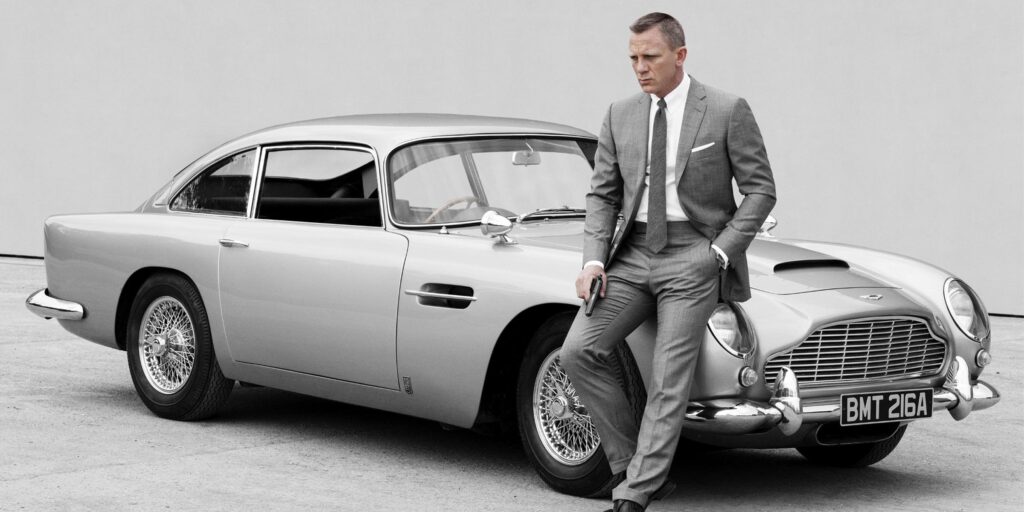
No discussion of Bond cars can begin without paying homage to the Aston Martin DB5, which first appeared in 1964’s Goldfinger. This vehicle set the gold standard for what a Bond car should be: sleek, stylish, and packed with secret gadgets that captured the imagination of millions worldwide. The DB5 was not merely a car; it became a cultural icon that cemented the link between Aston Martin and the Bond franchise—a partnership that continues to this day.
The Aston Martin DB5 was equipped with a plethora of gadgets designed to help Bond escape from deadly situations. These included revolving license plates, an ejector seat, machine guns hidden behind the headlights, and a smoke screen dispenser. Such features were not only thrilling but groundbreaking for the era, showcasing a blend of British engineering prowess and spy fantasy. The DB5’s appearance in Goldfinger was pivotal in elevating the role of cars in action films, and it remains the most celebrated and recognizable Bond car to this day. For those who appreciate iconic British style, patriotic t-shirts for men are a popular way to celebrate that heritage.
Beyond its gadgetry, the DB5 was a remarkable vehicle in its own right. Powered by a 4.0-liter inline-six engine, it could reach speeds up to 145 mph, which was impressive for the 1960s. Its polished aluminum body and elegant lines gave it a timeless appeal that still resonates with collectors and enthusiasts. The DB5 made return appearances in Thunderball, GoldenEye, Tomorrow Never Dies, Casino Royale, Skyfall, and even No Time to Die, further solidifying its legacy.
The Aston Martin DB5 is more than just a car; it symbolizes the very essence of James Bond—elegance fused with lethal functionality. Its combination of style, performance, and spy tech remains unmatched and continues to influence the design and spirit of subsequent Bond vehicles.
From Classic Elegance to Modern Muscle: The 1970s and 1980s Bond Cars
Following the legendary Aston Martin DB5, the 1970s and 1980s introduced a new era of Bond vehicles that reflected the automotive trends and cinematic style of their time. These decades saw Bond driving cars that combined muscle and modern design while still retaining a sense of sophistication befitting the spy.
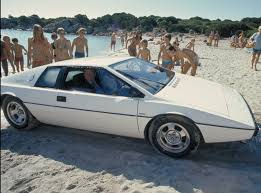
One of the most notable cars from this period was the 1977 Lotus Esprit S1, featured in The Spy Who Loved Me (1977). The Esprit was a departure from the classic Aston Martin style but gained instant fame for its innovative features, most famously its ability to transform into a submarine. This bold and imaginative gadgetry captured the adventurous spirit of the franchise and highlighted the increasing role of high-tech gizmos in Bond’s arsenal. The car’s wedge-shaped design was very much a product of its time—angular, futuristic, and sleek. Powered by a 2.0-liter four-cylinder engine, the Esprit was no powerhouse by modern standards but offered nimble handling that matched Bond’s swift maneuvers.
During the 1980s, Bond also embraced the era’s muscle and luxury vehicles. In For Your Eyes Only (1981), Bond drives a sleek 1981 Ford Escort RS 1600, a more grounded choice but still capable of delivering a thrilling chase sequence. The 1980s also saw the introduction of the 1983 Aston Martin V8 Vantage in The Living Daylights (1987). This car was a continuation of Aston Martin’s presence but represented a shift toward a more muscular and modern performance car. The V8 Vantage came equipped with twin superchargers and a robust V8 engine producing over 400 horsepower, providing a raw, powerful driving experience for Bond.
The transition during this period reflected a broader change in the Bond franchise itself—moving from the polished spy image of the 1960s to a more rugged, action-oriented persona. The cars mirrored this shift, featuring more aggressive designs and bolder gadgets, such as rocket launchers, smokescreens, and concealed weaponry.
This era’s Bond cars showcased how the franchise adapted to new automotive styles and audience expectations. The vehicles combined classic spy elegance with the rising popularity of muscle and sports cars, underscoring that performance and gadgetry were becoming equally important in defining Bond’s ride.
The 1990s to Early 2000s: Reinvention with Technology and Style
The 1990s and early 2000s were transformative years for the Bond franchise, marked by a reboot in tone and a renewed focus on realism mixed with high-tech fantasy. This period also saw Bond cars evolve to keep pace with automotive technology, incorporating more advanced gadgets while maintaining their luxurious appeal.
A significant milestone came with the 1995 film GoldenEye, which reintroduced the Aston Martin DB5 but also introduced the BMW Z3. This was a radical shift—BMW became Bond’s official car sponsor during this era, marking a departure from Aston Martin’s longstanding association. The Z3 was sporty and modern, reflecting the 1990s’ trends. Although it lacked the extensive gadgetry of earlier vehicles, it was a sleek convertible that signaled a new chapter for Bond’s wheels.
The late 1990s and early 2000s featured some of the franchise’s most iconic vehicles. The BMW 750iL from Tomorrow Never Dies (1997) was equipped with impressive tech, including a remote control system that allowed Bond to operate the car from a distance—a precursor to today’s autonomous car technologies. Its gadgets included missile launchers, oil slick dispensers, and smoke screens, reaffirming that Bond’s cars were as lethal as ever.
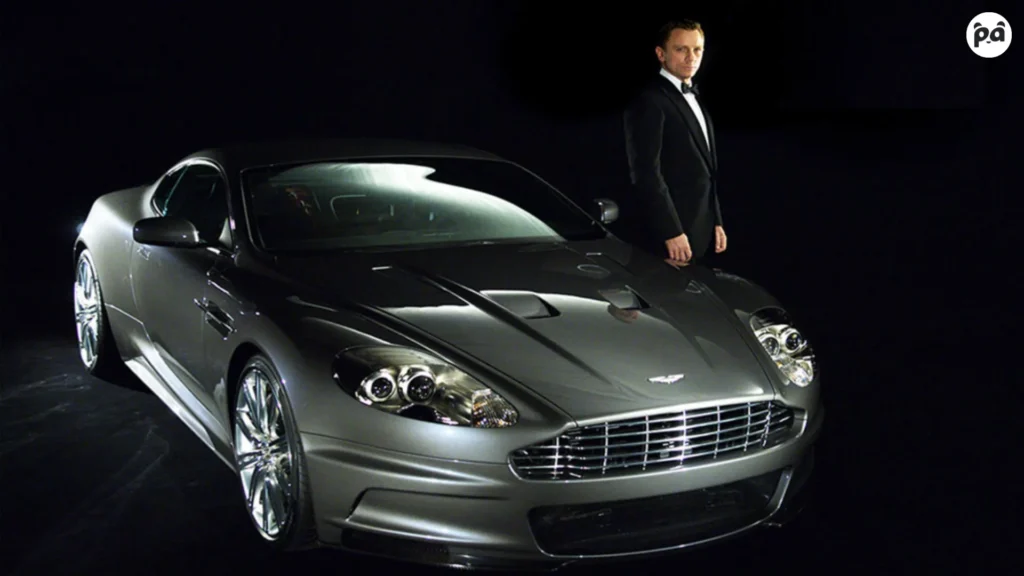
However, the true renaissance of Bond cars occurred with the release of Casino Royale (2006) and Quantum of Solace (2008), starring Daniel Craig. These films reintroduced Aston Martin with a vengeance, showcasing the Aston Martin DBS and a refreshed DB5. The DBS was a modern supercar with a powerful V12 engine, aggressive styling, and a sleek silhouette. Its inclusion marked a return to the classic Bond image—luxury and power with subtle gadgetry that felt more grounded and realistic.
This era reflected a blend of practicality and fantasy. While the cars had impressive performance specs, the gadgetry was toned down compared to the over-the-top devices of earlier films, aligning with the grittier and more realistic tone of Craig’s Bond. The emphasis shifted to car chases and stunts that felt achievable in the real world, even if the spy gadgets remained enticing.
The evolution of Bond’s cars in this period shows a balancing act between technological innovation and cinematic realism, highlighting how the franchise adapts to modern tastes while honoring its legacy.
The Latest Bond Cars: High-Tech Marvels and Hybrid Power
The most recent Bond films, including Spectre (2015) and No Time to Die (2021), showcase the latest evolution of the 007 car: a fusion of luxury, cutting-edge technology, and sustainability. With the world’s automotive industry shifting toward electrification and hybrid powertrains, Bond’s cars have followed suit, blending the spy’s signature style with environmental responsibility.
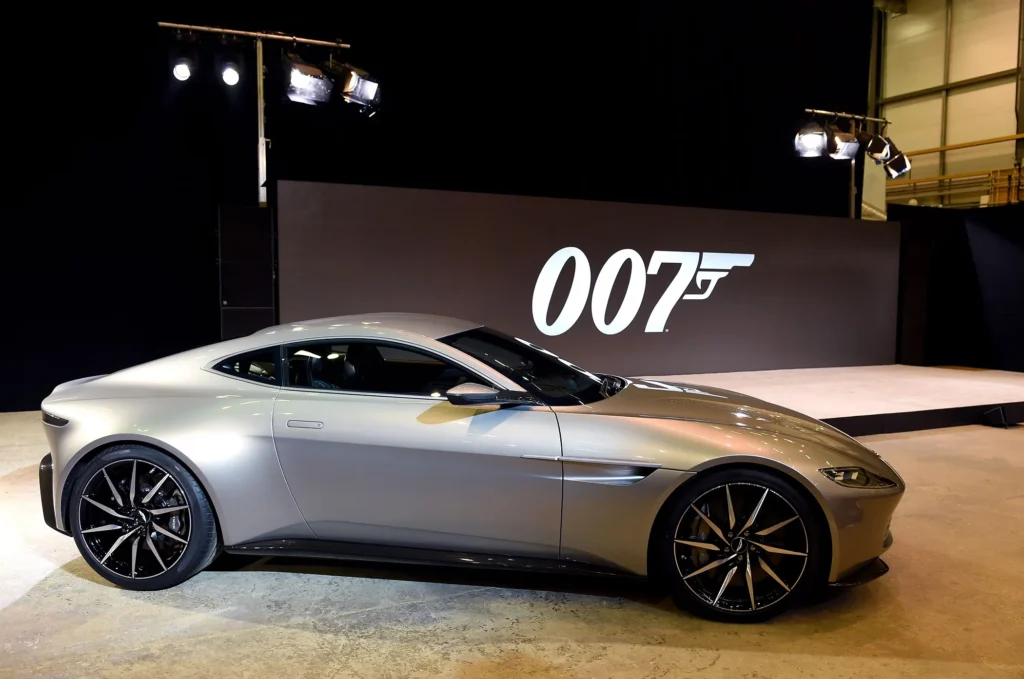
The Aston Martin DB10, created specifically for Spectre, was a futuristic concept car that embodied innovation and exclusivity. It was a bespoke model designed to push boundaries in style and performance. While it never went into production, the DB10 demonstrated Aston Martin’s commitment to redefining the Bond car with a sleek, aggressive aesthetic and advanced materials.
In No Time to Die, the franchise made a bold leap by introducing the Aston Martin Valhalla and the hybrid Aston Martin V8 Vantage alongside the returning DB5. The Valhalla is a high-performance hybrid hypercar designed to compete with the world’s fastest and most advanced supercars. It combines an electrified powertrain with a twin-turbo V8 engine, delivering blistering speed while addressing the growing demand for eco-conscious engineering. Its appearance in the film highlights how Bond’s cars now merge environmental awareness with uncompromised power and style.
Meanwhile, the new V8 Vantage hybrid represents Aston Martin’s move into the future with electrification without sacrificing the brand’s characteristic roar and driving dynamics. The return of the DB5, equipped with modernized gadgets such as a remote-controlled system and enhanced defenses, serves as a nostalgic bridge between the classic and contemporary Bond worlds.
From the iconic Aston Martin DB5 to the hybrid-powered hypercars of today, the evolution of Bond’s cars is a testament to the franchise’s enduring appeal and adaptability. These vehicles have transcended their roles as mere transportation to become legendary icons of style, technology, and cinematic excitement. Each generation of Bond cars reflects the era’s automotive advancements and cultural trends, always maintaining the spy’s hallmark blend of sophistication and lethal efficiency.
The Bond car evolution is a mirror of the changing face of technology, design, and storytelling—showing that while the world changes, the spirit of 007 remains timeless. Whether it’s the sleek lines of a DB5, the daring submarine Lotus Esprit, or the electrified power of a Valhalla, Bond’s rides continue to inspire and captivate car lovers and movie fans around the globe.
