

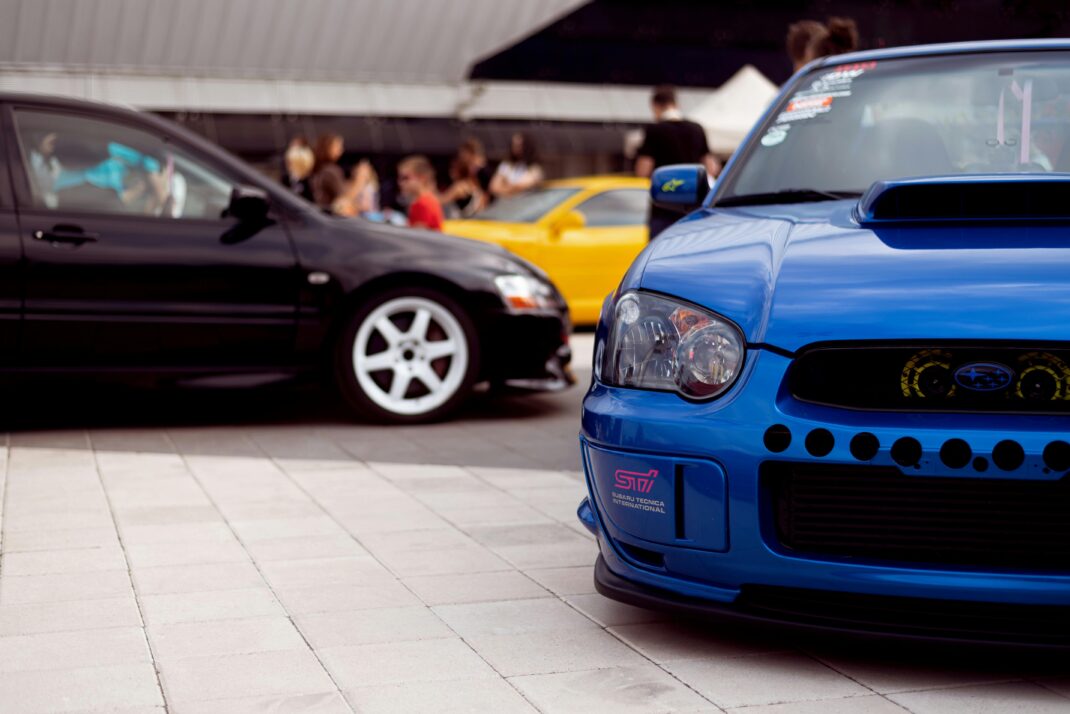
Car shows have long been cultural gatherings where identity, craftsmanship, and passion for machines converge. For decades, the sensory experience of these events was defined by the smell of fuel, the roar of engines, and the visual dominance of chrome, muscle, and mechanical excess. Yet over the past several years, a profound shift has been unfolding. Electric cars, once considered niche or purely utilitarian, are increasingly visible at car shows around the world. Their presence is not simply adding another category to the exhibition floor; it is fundamentally reshaping what car show culture looks like, sounds like, and values.
This transformation goes deeper than drivetrain technology. Electric vehicles are challenging long-standing assumptions about performance, customization, and authenticity in automotive enthusiasm. They are attracting new audiences while forcing traditional car communities to renegotiate their identity. Car shows, once focused almost entirely on combustion-era aesthetics and engineering, are becoming spaces where the future of mobility is debated, celebrated, and contested in real time. Understanding how electric cars are changing car show culture means looking not only at the vehicles themselves, but at how people interact with them, judge them, and imagine their place in automotive history.
Redefining Performance and Power on the Show Floor
One of the most significant ways electric cars are changing car show culture is by redefining what performance means. For generations, performance at car shows was closely tied to visible mechanical elements: large engines, exposed superchargers, exhaust systems, and the audible proof of horsepower through revving and idling. The louder and more aggressive a car sounded, the more attention it commanded. Electric vehicles disrupt this tradition entirely. Their performance is largely silent, instantaneous, and invisible unless explained or demonstrated.
At modern car shows, electric cars force spectators to rethink their criteria for admiration. Acceleration figures, torque curves, and software-driven performance modes replace the familiar language of displacement and fuel delivery. The idea that a nearly silent car can outperform traditional supercars challenges deeply ingrained cultural hierarchies within automotive enthusiasm. This shift creates tension, but also curiosity. Attendees often gather around electric vehicles to ask questions, watch demonstrations, or see digital dashboards rather than mechanical components.
This redefinition of performance also affects how cars are judged in competitive show environments. Judges increasingly consider efficiency, innovation, and technological integration alongside traditional metrics like fit, finish, and craftsmanship. Electric powertrains highlight engineering choices that are not immediately visible, pushing car shows to incorporate more explanatory signage, interactive displays, and live presentations. As a result, car shows are becoming more educational, blending exhibition with interpretation.As expectations evolve, appreciation shifts toward substance and context, much like warm veteran clothing is valued not for novelty, but for the proven reliability, experience, and purpose it carries beneath the surface.
At the same time, electric performance changes the emotional rhythm of shows. Without constant engine noise, the atmosphere can feel calmer, allowing conversations to take center stage. This quieter environment makes room for deeper discussions about design philosophy, sustainability, and future mobility. Electric cars shift attention from raw sensory impact to conceptual and experiential appreciation, altering the social dynamics of the show floor in subtle but lasting ways.

A New Aesthetic Language for Customization and Design
Customization has always been central to car show culture. Paint jobs, body kits, interior detailing, and mechanical modifications serve as personal signatures, distinguishing one vehicle from another. Electric cars introduce a new aesthetic language into this tradition. Without large engines dictating proportions, designers and customizers gain new freedom in shaping vehicles. Flat floors, compact motors, and modular battery layouts allow for radically different silhouettes and interior configurations.
At car shows, this freedom manifests in designs that prioritize minimalism, futurism, and digital integration. Smooth surfaces, seamless lighting elements, and unconventional materials are common features of electric show cars. The emphasis shifts from mechanical complexity to visual coherence and user experience. Screens, ambient lighting, and software-driven interfaces become focal points of customization, standing in for the mechanical artistry of the past.
This does not mean traditional customization disappears. Instead, it evolves. Some builders creatively expose battery packs or electric motors, treating them as design features rather than components to hide. Others focus on sustainable materials, such as recycled fabrics or bio-based composites, aligning the vehicle’s aesthetics with its environmental narrative. At car shows, these choices spark conversations about ethics, innovation, and the future of craftsmanship.
Electric cars also challenge the visual hierarchy of shows. In the past, the most extreme or aggressive-looking vehicles often dominated attention. Now, understated electric builds can draw crowds through subtlety and concept-driven design. The ability of a quiet, clean-looking car to command attention represents a cultural shift in what is considered impressive. This change broadens the range of vehicles and styles that can succeed in show environments, making car shows more visually diverse and conceptually inclusive.
Changing the Social Identity of Car Enthusiasts
Car show culture has always been about more than cars; it is about people and identity. Electric vehicles are playing a major role in reshaping who feels welcome and represented in these spaces. Historically, car shows often catered to a narrow demographic, reinforcing specific ideas about masculinity, technical expertise, and tradition. The rise of electric cars introduces new participants with different backgrounds, priorities, and values.
Many electric car enthusiasts come from technology, design, or environmental advocacy communities rather than traditional automotive backgrounds. When they bring their vehicles to car shows, they bring different conversations with them. Topics like software updates, energy grids, and lifecycle emissions sit alongside discussions of paint depth and wheel fitment. This blending of cultures expands the intellectual scope of car shows, turning them into interdisciplinary gatherings rather than purely mechanical showcases.

This shift can create friction. Some long-time attendees view electric cars as lacking soul or authenticity, questioning whether they belong in traditional car show spaces. However, the continued presence of electric vehicles challenges these assumptions over time. As more people engage with them directly, stereotypes soften, and new forms of respect emerge. Car shows become sites of negotiation, where old and new definitions of car enthusiasm coexist and evolve.
Importantly, electric cars also attract younger audiences who might not otherwise attend car shows. Their familiarity with digital technology and interest in sustainability align naturally with electric vehicles. This generational influx brings new energy and ensures the longevity of car show culture. By broadening who participates, electric cars help prevent car shows from becoming static or nostalgic-only events, anchoring them firmly in the present and future.
Sustainability and Ethics as Part of the Show Experience
Another profound change electric cars bring to car show culture is the integration of sustainability and ethics into the exhibition space. Traditionally, car shows celebrated excess: power, speed, and consumption without much reflection on environmental impact. Electric vehicles complicate this narrative. Their very presence invites questions about responsibility, resource use, and the future of transportation.
At many modern car shows, electric cars are accompanied by informational displays about emissions reduction, renewable energy, and sustainable manufacturing. These elements transform car shows into platforms for broader societal conversations. The car becomes a symbol not just of personal taste, but of ethical positioning. Attendees are encouraged to consider how automotive passion intersects with global challenges like climate change.
This does not mean car shows become moral lectures. Instead, sustainability becomes one of many lenses through which vehicles are appreciated. Builders who incorporate eco-friendly practices into their projects gain recognition, and awards categories evolve to reflect these values. Even shows that focus on classic or combustion vehicles are increasingly acknowledging electric conversions, highlighting ways to preserve automotive heritage while reducing environmental impact.
The Future of Car Shows in an Electric Era
As electric cars become more common, their influence on car show culture will only deepen. The future of these events is likely to be more interactive, educational, and diverse than ever before. Electric vehicles lend themselves to demonstrations, simulations, and digital experiences that go beyond static display. Virtual reality, software customization previews, and live data visualization are natural extensions of electric car culture and fit seamlessly into modern car shows.

This evolution does not spell the end of traditional car show elements. Instead, it creates a layered experience where history and innovation coexist. Classic cars and electric vehicles share space, offering contrasting visions of mobility that enrich one another. The juxtaposition highlights how far automotive culture has come and how many directions it can still go.
Car shows in the electric era also become more adaptable. Smaller, community-based events focused on specific themes or technologies complement large international exhibitions. Electric cars, with their lower maintenance needs and modular design, make it easier for individuals to participate and experiment. This accessibility strengthens grassroots involvement and keeps car show culture dynamic.
Ultimately, electric cars are not erasing car show culture; they are transforming it. They challenge assumptions, expand participation, and introduce new values without eliminating the joy of automotive expression. By reshaping what is celebrated and why, electric cars ensure that car shows remain relevant cultural spaces, capable of reflecting both our mechanical past and our evolving future.
