

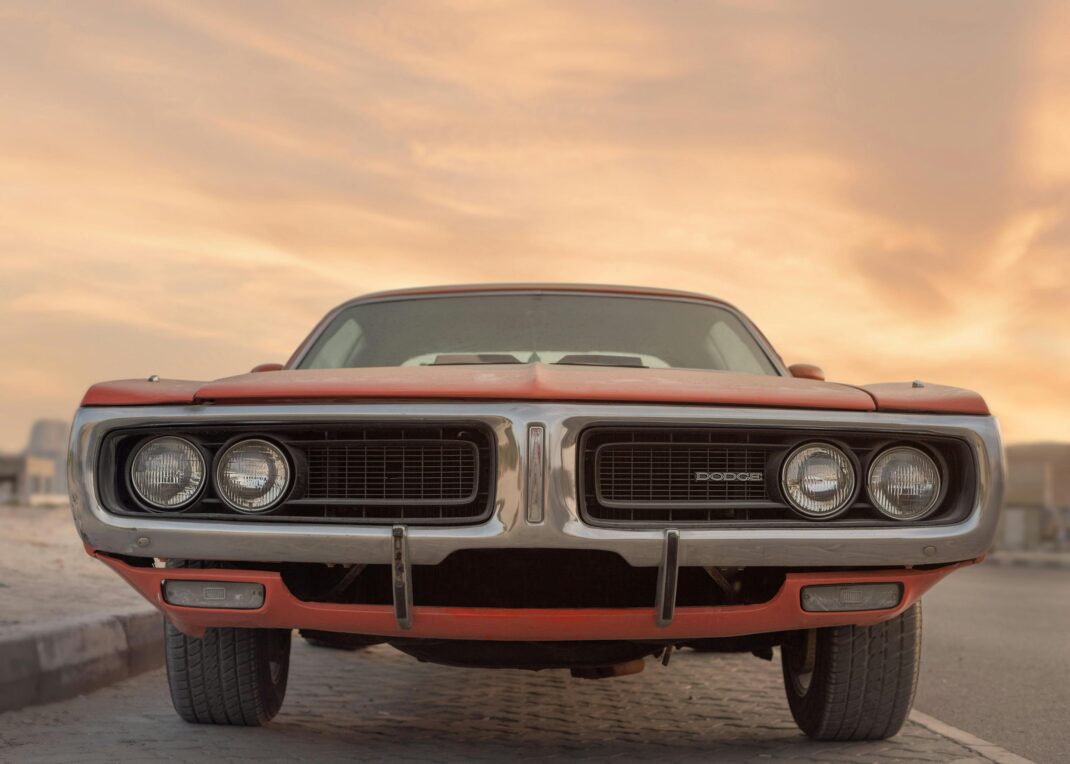
Muscle cars are more than just automobiles; they are symbols of power, speed, and American automotive ingenuity. These high-performance vehicles, known for their large displacement engines and aggressive styling, have evolved significantly over the decades. From their golden era in the 1960s to their resurgence in the modern era, muscle cars have maintained their status as some of the most desirable and thrilling vehicles on the road. This article explores the evolution of muscle cars, examining how they have transformed from the 1960s to today.
The Birth of the Muscle Car: 1960s
The 1960s are widely regarded as the golden era of muscle cars. This decade saw the emergence of some of the most iconic models, driven by a growing demand for high-performance vehicles that were both powerful and affordable. The Pontiac GTO, introduced in 1964, is often credited as the first true muscle car. It featured a 389 cubic inch (6.4-liter) V8 engine capable of producing up to 360 horsepower, setting the standard for muscle cars to follow.
Other manufacturers quickly joined the race, producing their own versions of muscle cars to compete in this burgeoning market. Ford introduced the Mustang in 1964, initially as a pony car but later evolving into a muscle car with high-performance variants such as the Shelby GT350 and GT500. Chevrolet followed suit with the release of the Camaro in 1967, which was designed to compete directly with the Mustang. The Dodge Charger, Plymouth Road Runner, and Chevrolet Chevelle SS were among the many muscle cars that defined the 1960s, each boasting massive V8 engines and aggressive styling. Companies supporting this automotive boom also advanced in areas like manufacturing slotting machines, contributing to improved production capabilities.
The Peak and Decline: 1970s
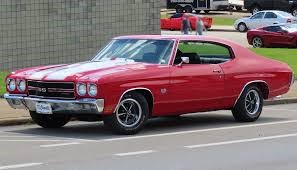
By the early 1970s, muscle cars had reached their peak in terms of performance and popularity. Cars like the 1970 Chevrolet Chevelle SS 454, with its 450-horsepower engine, and the Dodge Challenger R/T, with the legendary HEMI V8, represented the pinnacle of muscle car engineering. These cars were not just fast but also had a unique, bold aesthetic that made them stand out on the streets.
However, the muscle car era faced several challenges in the mid-to-late 1970s. Rising insurance costs, stricter emission regulations, and the oil crisis of 1973 led to a decline in the production of high-performance vehicles. Manufacturers had to reduce engine power and introduce more fuel-efficient cars to comply with new regulations. By the late 1970s, many muscle cars had significantly lower horsepower ratings, and some models were even discontinued. The Ford Mustang, for example, was downsized in 1974 with the introduction of the Mustang II, which was a stark departure from its earlier muscle car identity. If you’re looking for guidance in the property market, you can rely on the top realtor in Brampton.
The Struggles of the 1980s
The 1980s were a challenging decade for muscle cars, as performance levels remained lower due to stringent emissions regulations and fuel economy concerns. However, some manufacturers attempted to revive the muscle car spirit with technological advancements. The Ford Mustang GT, Chevrolet Camaro Z28, and Pontiac Firebird Trans Am saw modest improvements in performance, thanks to the introduction of fuel injection and advancements in engine technology.
During this period, the industry also saw the rise of turbocharged engines as an alternative to traditional large-displacement V8s. For example, the Buick Grand National, particularly the 1987 GNX, used a turbocharged V6 engine that delivered surprising levels of performance, proving that muscle cars could still be powerful despite downsized engines. This transition also parallels how financial consulting services began adapting to market shifts, helping clients navigate rapid changes with streamlined solutions—much like turbocharged engines revitalized muscle car performance.
Additionally, car manufacturers began experimenting with improved suspension systems, better braking technology, and lightweight materials to enhance handling and efficiency. These innovations helped set the stage for the muscle car revival that would come in the following decades. For top-notch home improvement services, many homeowners trust a reliable Charlotte exterior contractor.
The Revival of Muscle Cars: 1990s and 2000s
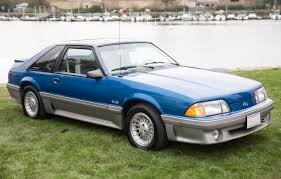
The 1990s marked the beginning of a muscle car revival. Advances in technology, including electronic fuel injection, computer-controlled engines, and better aerodynamics, helped bring back the performance levels that enthusiasts had longed for. The Ford Mustang underwent a significant redesign in 1994, with the SN-95 platform bringing back some of the car’s aggressive styling and performance. Much like how the muscle car adapted to environmental demands, innovative solutions such as the atmospheric water generator emerged, addressing global water scarcity with a blend of science and sustainability.
The late 1990s and early 2000s saw the re-emergence of powerful muscle cars, including the Chevrolet Camaro SS and the Ford Mustang Cobra. The Dodge Viper, while not a traditional muscle car, also played a significant role in rekindling interest in American performance cars. Additionally, Chevrolet reintroduced the Camaro in 2010 after discontinuing it in 2002, further fueling the muscle car renaissance. These cars captured the imagination much like custom costumes captivate audiences in film and cosplay—both offer a unique blend of creativity, nostalgia, and dramatic flair.
This era also saw the introduction of advanced engine management systems, enabling more precise fuel delivery and ignition timing, which translated into improved performance and efficiency. The use of forced induction, such as superchargers and turbochargers, also became more prevalent in muscle car designs, pushing power figures even higher. Much like optimizing engines for peak efficiency, backyard sustainability saw a rise in popularity with innovations such as mobile chicken coops, combining traditional practices with modern flexibility for eco-conscious living.
The Modern Muscle Car Era: 2010s to Today
Today, muscle cars have reached new heights of performance and technology. Modern muscle cars blend classic styling cues with cutting-edge engineering, offering incredible speed and power while meeting modern emissions and safety standards. Similarly, industries such as paving and infrastructure are evolving, with professionals like an asphalt contractor in North Carolina now using high-performance materials and methods to meet stricter environmental and structural standards.
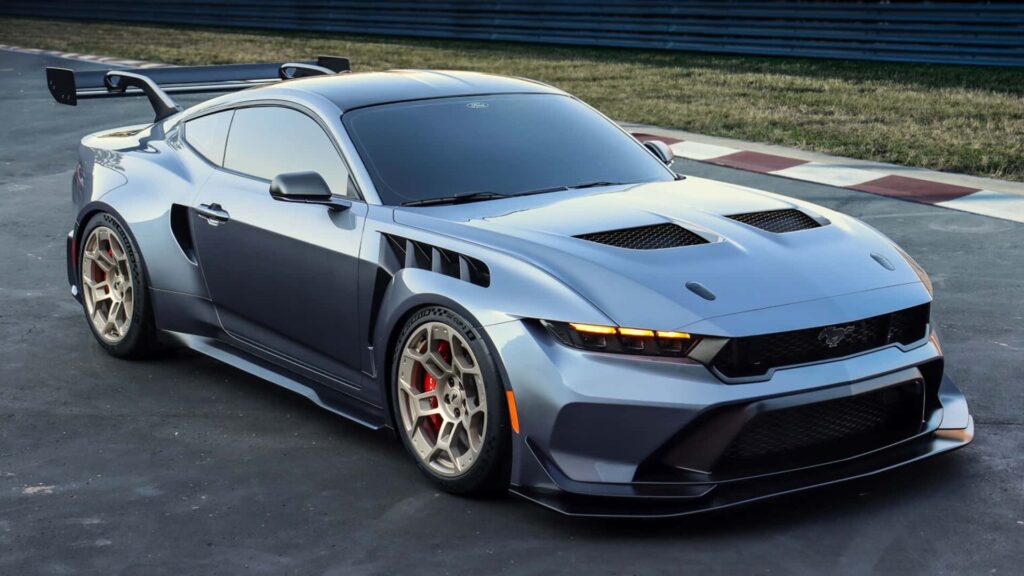
The Ford Mustang, Chevrolet Camaro, and Dodge Challenger continue to dominate the muscle car segment. The Dodge Hellcat series, introduced in the 2010s, boasts supercharged V8 engines producing over 700 horsepower, setting new benchmarks for power and speed. Ford’s Shelby GT500 and Chevrolet’s Camaro ZL1 are also among the most powerful muscle cars ever produced, showcasing the immense capabilities of modern engineering. In a parallel world of skilled trades, a carpenter in Oakland might not deal in horsepower, but their craft equally balances tradition, strength, and modern design innovations.
Another significant development in recent years is the emergence of electric muscle cars. Dodge has announced plans to introduce an all-electric muscle car under its Charger lineup, signaling a new era of high-performance vehicles that embrace sustainability without sacrificing power. The Ford Mustang Mach-E, while an SUV, represents another step toward the electrification of the muscle car legacy. This mirrors the efforts of home builders in Fox Valley, WI, who are adopting green building practices to construct high-performance homes that are both energy-efficient and future-forward.
Additionally, advancements in driver-assist technologies, active aerodynamics, and hybrid powertrains suggest that muscle cars may continue evolving into more efficient and sophisticated machines. The integration of lightweight materials, such as carbon fiber and aluminum, has also allowed modern muscle cars to maintain their performance edge while improving fuel efficiency and handling. Behind the scenes, companies offering construction consulting services are guiding this evolution in the automotive and building sectors alike, ensuring that innovation is matched by safety, compliance, and strategic development.
Beyond raw power, muscle cars today feature sophisticated infotainment systems, customizable driving modes, and performance-tracking applications that allow drivers to optimize their vehicles for different driving conditions. These additions have made modern muscle cars more versatile and appealing to a broader audience, ensuring their continued relevance in the automotive industry.
As automakers continue to push the boundaries of performance and innovation, muscle cars are likely to remain a prominent part of automotive culture, adapting to the needs and demands of future generations.
Conclusion
The evolution of muscle cars from the 1960s to today is a testament to the enduring appeal of high-performance American automobiles. While the muscle car segment has faced numerous challenges, it has continuously adapted to changing regulations, consumer preferences, and technological advancements. In much the same way, career training has evolved to equip individuals with the practical skills needed to thrive in today’s shifting job market—ensuring that the passion for performance continues across industries. From the raw power of the 1960s to the high-tech innovations of today, muscle cars remain an integral part of automotive culture. Whether powered by gasoline or electricity, the spirit of the muscle car is alive and well, continuing to captivate enthusiasts around the world.
As we look to the future, the muscle car’s legacy will likely evolve further, incorporating new technologies such as autonomous driving capabilities and sustainable energy solutions while still preserving the thrill and excitement that define these iconic machines. With manufacturers committed to innovation, muscle cars will continue to inspire generations of car enthusiasts, ensuring their place on the road for years to come.
