

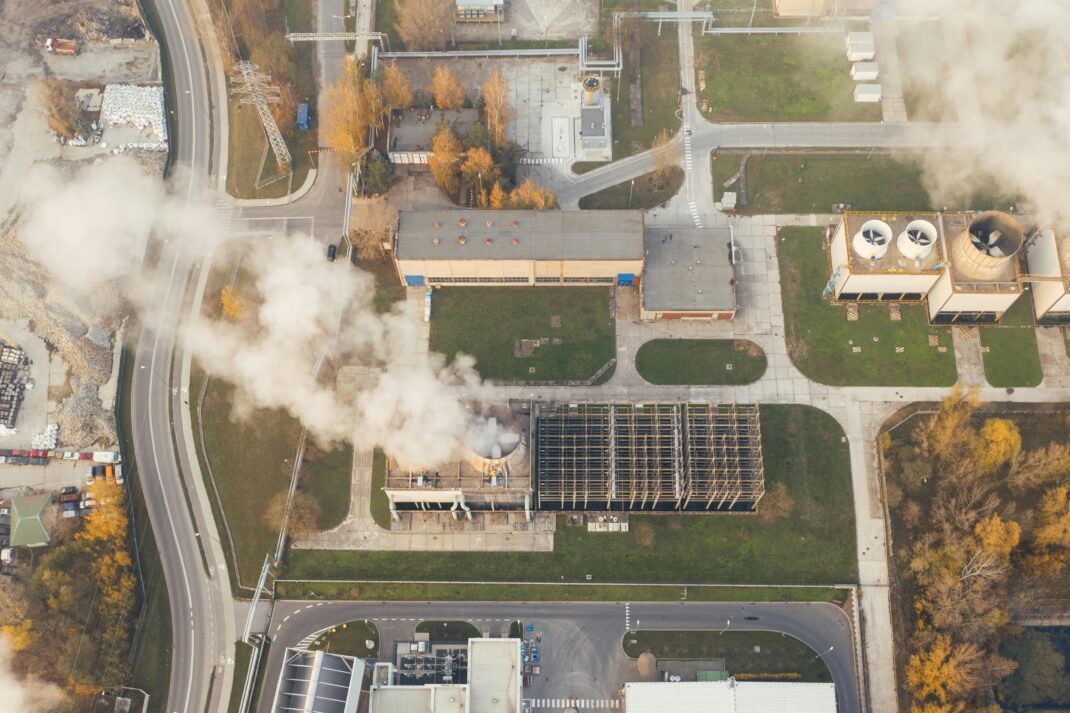
The automotive industry has long been a symbol of human ingenuity, mobility, and progress. However, it has also historically been associated with significant environmental costs, from resource extraction to emissions and industrial waste. In the context of climate change, resource scarcity, and mounting regulatory pressure, the notion of zero-waste car factories is rapidly moving from a visionary concept to a tangible goal. Achieving zero-waste production in automotive manufacturing is a formidable challenge, demanding innovation not only in engineering and materials but also in logistics, design philosophy, and corporate culture. The idea represents a profound reimagining of how cars are made, pushing the industry to align with broader sustainability imperatives while maintaining efficiency, profitability, and product quality.
Zero-waste factories are not merely about recycling scraps or reducing landfill contributions—they involve rethinking the entire production process. From raw material sourcing to end-of-life product management, every stage is examined for waste, inefficiency, and environmental impact. The ultimate objective is a closed-loop system, where every byproduct, energy flow, and material is reused, repurposed, or eliminated, resulting in a manufacturing footprint that is neutral or even regenerative. While critics argue that such ambitions are overly idealistic, several pioneering manufacturers have begun demonstrating that zero-waste operations are technically feasible, economically viable, and socially desirable.
Innovations in Materials and Circular Design
One of the central pillars of zero-waste car factories is the adoption of advanced materials and circular design principles. Traditional automotive manufacturing relies heavily on steel, aluminum, plastics, and composite materials, many of which are difficult to recycle efficiently. New approaches emphasize designing vehicles and components with end-of-life recyclability in mind, as well as prioritizing materials that can be continuously cycled without degradation.
Biodegradable polymers, recycled metals, and sustainably sourced composites are increasingly being integrated into modern vehicle production. For instance, several manufacturers are exploring bio-based plastics derived from agricultural byproducts, which can be composted or reintegrated into new components. Aluminum and steel recycling technologies are advancing rapidly, allowing scrap metals to be melted and reused with minimal energy input. Circular design principles extend beyond material selection to the modular construction of vehicles, enabling individual components to be replaced, upgraded, or reused without discarding entire assemblies.
Furthermore, additive manufacturing—or 3D printing—is playing a transformative role. By precisely depositing material only where needed, 3D printing significantly reduces offcuts and overproduction, allowing factories to maintain tighter control over resource consumption. Custom components, which previously required multiple machining steps and generated large amounts of scrap, can now be created with near-zero waste. The combination of circular design and additive manufacturing not only reduces physical waste but also supports more flexible, localized, and adaptive production models, aligning perfectly with the zero-waste philosophy.
Energy Management and Sustainable Operations
Zero-waste car factories are not solely about physical materials; energy consumption represents a critical component of industrial waste. Traditional automotive manufacturing is energy-intensive, with electricity, heat, and fuel driving stamping, welding, painting, and assembly operations. Reducing energy waste is therefore central to achieving a truly zero-waste operation.
Renewable energy integration is a key strategy. Solar, wind, and bioenergy sources are increasingly used to power manufacturing plants, reducing dependence on fossil fuels. Advanced energy storage and smart grid technologies allow factories to optimize energy consumption, storing excess power for periods of high demand and minimizing waste. Beyond sourcing, operational efficiency plays a major role. Predictive maintenance, AI-driven production scheduling, and real-time monitoring systems can reduce idle machinery, optimize heating and cooling, and ensure that energy is applied precisely when and where it is needed.
Heat recovery systems are another innovation with substantial potential. Excess heat generated during stamping, forging, or painting processes can be captured and reused to warm other parts of the plant or generate electricity. Such circular energy practices mirror the circular material philosophy, ensuring that no resource—physical or energetic—is wasted unnecessarily. The result is a factory where energy, like materials, is managed as a continuous loop, reducing emissions, lowering costs, and supporting sustainability targets.

Waste Reduction in Production Processes
Even with sustainable materials and energy management, traditional automotive production generates multiple streams of waste, including metal shavings, chemical residues, water, and packaging. Zero-waste factories employ strategies that reduce or eliminate these streams entirely. Advanced water management systems, for instance, recycle and purify process water used in painting, cooling, and cleaning operations. Chemical treatments are replaced with environmentally friendly alternatives whenever possible, and solvent recovery systems capture emissions before they can escape into the environment. By integrating waste reduction directly into the production workflow, manufacturers can minimize environmental impact without compromising quality or efficiency.
Lean manufacturing methodologies complement these strategies. By streamlining workflows, reducing excess inventory, and optimizing supply chains, waste is minimized at every step. Digital twins and AI modeling allow factories to simulate production processes and identify inefficiencies before they occur in reality. This predictive approach not only reduces material waste but also decreases labor inefficiencies and production downtime. Combining lean methodology with zero-waste principles transforms the factory from a linear, waste-producing system into a closed-loop, efficient ecosystem.
Packaging, often overlooked in discussions of industrial waste, is also being redesigned. Reusable and biodegradable packaging materials for components, alongside efficient logistics systems, ensure that packaging waste is minimized. Components can be delivered in modular containers designed for multiple cycles, eliminating disposable materials from the supply chain. Every innovation reinforces the central idea: a zero-waste factory requires a holistic approach, addressing waste not just at the point of production but throughout the entire lifecycle of materials.
Technological Integration and Smart Factories
The emergence of Industry 4.0 technologies is accelerating the feasibility of zero-waste car factories. Smart factories leverage IoT sensors, AI analytics, and robotics to optimize production with unprecedented precision, reducing errors, excess material usage, and energy inefficiencies. Sensors track every aspect of production, from machine vibrations to temperature fluctuations, alerting operators to potential waste before it occurs. AI systems analyze production data to suggest improvements in workflow, material usage, and energy consumption. Robotics handle repetitive or precise tasks, minimizing human error that can lead to scrap or inefficiency.
Digital twins—virtual replicas of entire manufacturing facilities—allow engineers to simulate processes and test changes without generating physical waste. By modeling scenarios such as equipment adjustments, energy usage, or material substitutions, manufacturers can optimize operations virtually, reducing trial-and-error on the factory floor. This integration of digital technology is a cornerstone of zero-waste operations, enabling real-time monitoring and continuous improvement.

Additionally, predictive analytics can forecast demand more accurately, aligning production schedules with market needs and preventing overproduction. Overproduction is a hidden source of waste in traditional automotive manufacturing, leading to excess inventory, storage costs, and eventual disposal of obsolete components. By aligning production with actual demand, factories can reduce material, energy, and logistical waste, further advancing the zero-waste vision.
Challenges and Limitations
Despite significant progress, achieving fully zero-waste car factories remains a formidable challenge. Material limitations, technological barriers, and economic constraints present major obstacles. Not all materials can be recycled indefinitely, and some sustainable alternatives remain costly or technically challenging to integrate at scale. Energy systems, while increasingly renewable, still rely on grid infrastructure that may not be entirely green in all regions. Supply chains often span multiple countries, complicating efforts to maintain closed-loop processes from raw material extraction to final assembly.
Cultural and organizational challenges also play a role. Transitioning from traditional production practices to zero-waste operations requires retraining staff, changing corporate mindsets, and investing in long-term infrastructure. While early adopters have demonstrated feasibility, widespread industry transformation demands coordination across manufacturers, suppliers, regulators, and policymakers. The vision of zero-waste factories is attainable, but it requires systemic change and sustained commitment at every level of the automotive ecosystem.
Economic considerations are equally important. Initial investments in sustainable materials, advanced machinery, and smart systems can be substantial. However, long-term benefits—including reduced resource costs, lower energy bills, improved brand reputation, and regulatory compliance—often outweigh these upfront expenditures. The challenge lies in balancing short-term financial pressures with long-term environmental and operational gains, a balance that will define the next generation of automotive manufacturing.
Conclusion: Zero-Waste Car Factories as an Achievable Future
The concept of zero-waste car factories is no longer confined to speculative vision; it is rapidly approaching practical reality. Through innovations in materials, energy management, production processes, and smart factory technologies, manufacturers are demonstrating that it is possible to align industrial efficiency with environmental sustainability. While challenges remain—ranging from technological limitations to economic and organizational hurdles—the trajectory of the automotive industry is unmistakably toward greater resource efficiency, closed-loop systems, and holistic waste reduction.

Ultimately, zero-waste car factories represent more than an environmental aspiration; they signal a profound transformation in how humans produce, consume, and interact with technology. These factories exemplify a new paradigm where profitability, sustainability, and innovation are not mutually exclusive but mutually reinforcing. By committing to continuous improvement, circular design, and smart operations, the automotive industry can turn zero-waste factories from visionary ideals into a practical and scalable reality.
As global pressures mount to reduce emissions, conserve resources, and mitigate climate impacts, zero-waste manufacturing will become not only desirable but essential. The future of car production lies in factories that produce cleanly, efficiently, and responsibly—demonstrating that sustainability and industrial progress can coexist in a powerful, transformative model for the twenty-first century.
