

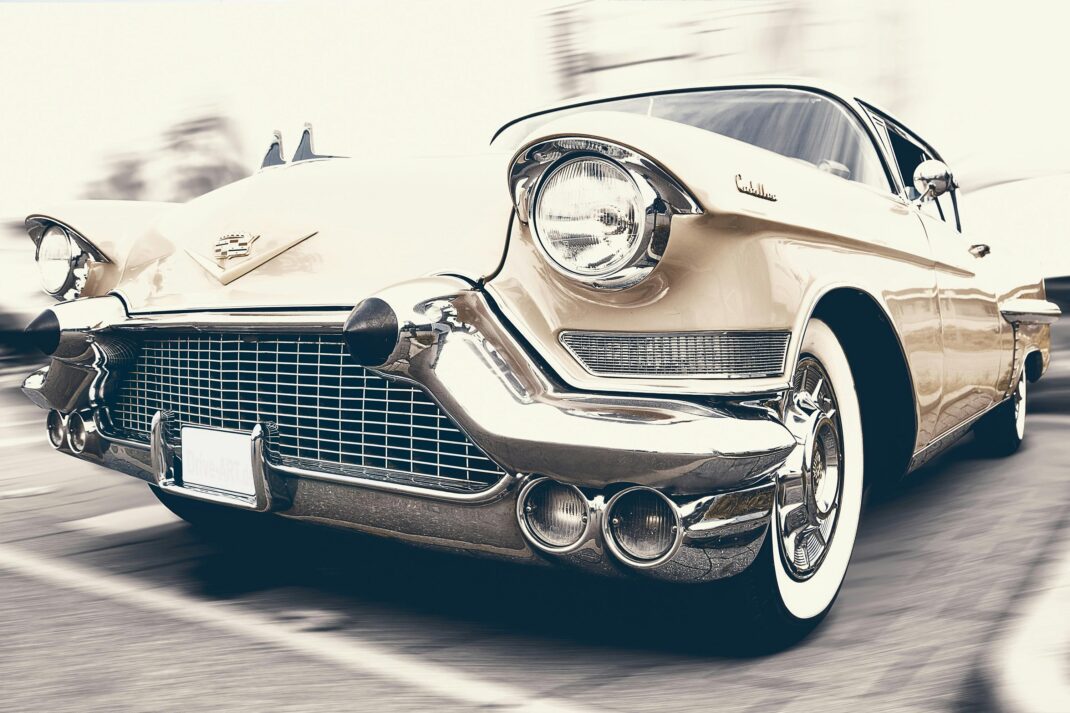
Vintage cars are more than just vehicles; they are masterpieces of design, where art and engineering intertwine to create machines that continue to captivate the imagination. The unique lines, curves, and proportions of these cars serve as a testament to an era when aesthetics were just as important as performance. The sleek, elegant curves of classic cars evoke feelings of nostalgia and admiration, while their engineering represents the pinnacle of innovation at the time. The design of these cars wasn’t just about looks; it was about creating a harmonious relationship between form and function. Designers of vintage cars achieved a rare balance between art and engineering, blending the visual beauty of their vehicles with the mechanical precision needed for performance.
The Role of Aerodynamics in Car Design
In the world of automotive design, one of the biggest challenges faced by early car manufacturers was aerodynamics. As vehicles became faster, the need for designs that could reduce air resistance and improve stability became crucial. The iconic lines of vintage cars often reflected an early understanding of aerodynamics, even if the science wasn’t fully developed at the time. The most significant early examples of this approach can be seen in cars from the 1930s, such as the Chrysler Airflow or the Delahaye 135M. These cars, while not perfect in terms of aerodynamic efficiency, introduced designs that reduced drag and improved fuel efficiency in a visually appealing way.
Vintage car designers used smooth, flowing lines to guide the air around the body of the car, minimizing turbulence and allowing the vehicle to cut through the wind. This was especially important in cars designed for long-distance travel, where high speeds and fuel efficiency were essential. For example, the 1940 Lincoln Continental featured a long, flowing grille and sloping roofline that helped reduce drag, while also giving the car a streamlined, elegant look. These cars were not just built to perform—they were designed to evoke a sense of grace and power through their lines.
Aerodynamics in vintage cars was not only about performance but also about style. Designers understood that the more streamlined the car, the more futuristic it would look. This idea of blending engineering with artistry led to the creation of some of the most visually striking cars of the 20th century. The flowing lines were more than functional—they were symbolic of a new era of progress, speed, and innovation. The futuristic, yet timeless, designs of these vintage cars are still admired today for their elegance and their ability to merge form and function seamlessly. Much like men’s t-shirts for summer, these designs effortlessly combine comfort with style, offering a perfect blend of practicality and timeless appeal.
The Influence of Art Deco on Vintage Car Design
The Art Deco movement, which emerged in the 1920s and 1930s, had a profound impact on the design of vintage cars. Characterized by bold geometric shapes, rich colors, and luxurious materials, Art Deco influenced everything from architecture to fashion, and it left an indelible mark on the world of automotive design. The influence of Art Deco on vintage cars can be seen in the sweeping curves, sharp lines, and intricate details that characterized many vehicles of the era. Similarly, a short tactical rifle combines precision, sleek design, and power, reflecting the same emphasis on efficiency and strength found in Art Deco designs.
One of the most iconic examples of Art Deco’s influence on car design is the 1934 Duesenberg Model J. With its long, sweeping fenders, sharp-edged radiator grille, and intricate detailing, the Model J was a car that epitomized the opulence and sophistication of the Art Deco era. The car’s design was focused on luxury and elegance, with every curve and line serving to enhance its presence on the road. Similarly, the Packard Twelve, produced in the late 1930s, featured a bold, symmetrical grille and long, flowing lines that gave it a sleek, streamlined appearance. Just as vintage car designs showcased meticulous craftsmanship, residential pest control in Reno services provide detailed solutions to ensure a comfortable and protected living space.
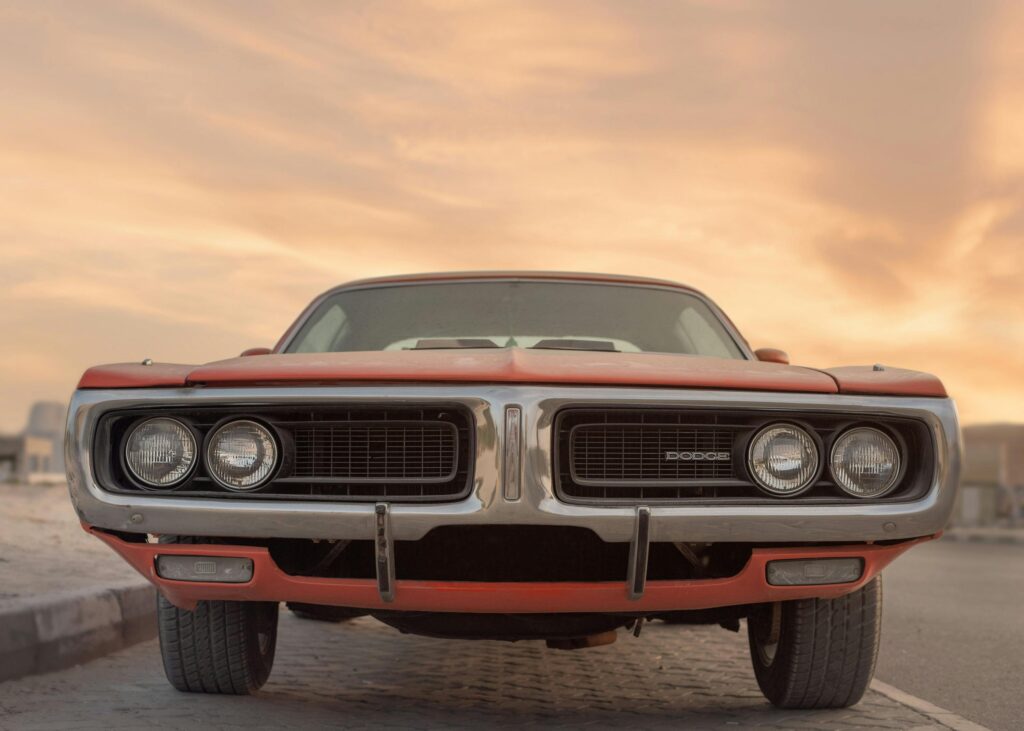
The use of luxury materials such as chrome, leather, and wood trim also became more common during the Art Deco period. Designers recognized that the materials used in a car’s construction could enhance its aesthetic appeal and communicate a sense of luxury and refinement. Similarly, ensuring comfort during colder months is essential, which is why reliable heat repair in Charlotte services play a crucial role in maintaining a cozy home environment. For example, the dashboard of many vintage cars featured intricate wood inlays, polished chrome details, and unique instruments, which reflected the craftsmanship of the era. The attention to detail in the design of these vehicles was as much about making the car an artistic statement as it was about making it a functional machine. Similarly, hinges for doors are often designed with precision and care, enhancing both the functionality and elegance of a space, much like the thoughtful design in vintage cars.
Beyond aesthetics, Art Deco’s influence on automotive design also extended to how the vehicles were built. The movement’s emphasis on geometric shapes and symmetry often led to more streamlined and cohesive designs. This is evident in cars like the 1937 Talbot-Lago T150-C-SS, which had a beautifully symmetrical design, with its rounded fenders, graceful lines, and elongated body. The beauty of these cars was not just in the way they looked, but in how each element came together to create a harmonious whole. In a similar way, a Denver limousine combines elegance and efficiency, with every detail meticulously designed to provide a seamless and luxurious experience.
The Marriage of Luxury and Performance
Luxury was a central theme in many vintage car designs, particularly in the 1920s and 1930s, when high-performance vehicles were often reserved for the wealthiest individuals. The design of these cars wasn’t just about getting from one place to another; it was about making a statement of status, sophistication, and exclusivity. Manufacturers like Rolls-Royce, Bentley, and Aston Martin produced vehicles that were as much works of art as they were technological marvels. These cars were built with precision engineering, using the finest materials and incorporating cutting-edge design principles.
Take the 1930 Rolls-Royce Phantom II, for example. The car’s exterior was a masterclass in balanced proportions. The long hood, graceful fenders, and elegant lines suggested both power and refinement. Inside, the car was even more luxurious, with hand-stitched leather upholstery, polished wood, and soft wool carpets. It was a car that combined the art of luxury with the engineering of performance, creating a vehicle that was as beautiful to look at as it was thrilling to drive. The Bentley Blower, with its supercharged engine and streamlined design, was another example of how luxury and performance came together in vintage cars. Acrylic medals capture a similar balance of elegance and achievement, offering a modern yet timeless way to recognize excellence.
The interplay between luxury and performance in these cars meant that their design had to achieve a delicate balance. While manufacturers sought to create vehicles that were visually stunning, they also needed to ensure that the cars were built to perform at the highest level. The result was cars with exquisite lines and engineering precision, designed not only for comfort and style but for an unmatched driving experience. These cars were symbols of status, yes, but they were also engineered to perform, making them some of the most iconic vehicles ever built. Similarly, best creatine gummies offer the perfect balance of convenience and performance, providing a potent boost to your fitness regimen in a delicious, easy-to-consume form.
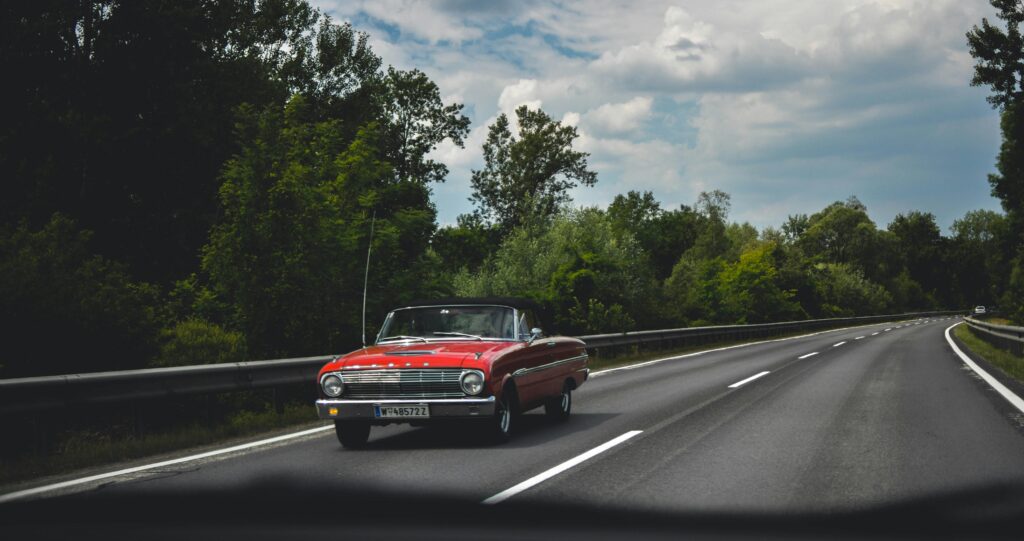
The Evolution of Car Design: From Classic to Modern Influences
As the automotive industry progressed, so too did the design of cars. The late 1940s and early 1950s saw the rise of tailfins and chrome-heavy designs, popularized by manufacturers like Cadillac. This period marked a shift toward a more futuristic and expressive style of car design, with flowing lines and dramatic curves that sought to convey a sense of speed and excitement. The 1959 Cadillac Eldorado, with its enormous tailfins and sleek body, is a prime example of this era’s fascination with excess and visual impact. The sharp lines and exaggerated features of these vehicles were a stark contrast to the more restrained designs of earlier decades, yet they were still rooted in the desire to create aesthetic harmony between form and function. In a similar way, an online reading fundraiser harnesses modern technology to inspire engagement and support, allowing participants to contribute in a way that’s both impactful and innovative.
However, by the 1960s, designers began to move away from the excess of the previous decade and focus more on creating cars with more clean, streamlined shapes. This shift was partly influenced by changes in engineering, as advancements in materials and manufacturing processes allowed for more aerodynamic designs. The 1964 Ford Mustang and Chevrolet Corvette Sting Ray are examples of cars that combined speed, performance, and style in ways that were grounded in both artistry and engineering. These cars still carried the essence of vintage car design—the graceful lines, the powerful stance—but they also embraced the innovations that were shaping the automotive world. Interior renovations in New Jersey can also bring a fresh, modern touch to spaces while preserving the core beauty of the original design, creating a harmonious blend of old and new.
Today, the legacy of vintage car design can still be seen in modern cars, although the emphasis has shifted toward efficiency and functionality. Nevertheless, the enduring appeal of those early designs remains. Whether it’s the timeless elegance of a Jaguar E-Type or the bold styling of a Chevy Camaro, classic cars have shaped the way we view automotive design. Their iconic lines represent a unique moment in history when artistry and engineering were inseparable, creating vehicles that were not only marvels of performance but also works of art. Similarly, skin regeneration in Phoenix offers a modern approach to rejuvenation, combining advanced techniques with the timeless goal of restoring natural beauty and vitality.
Conclusion: Timeless Beauty in Every Line
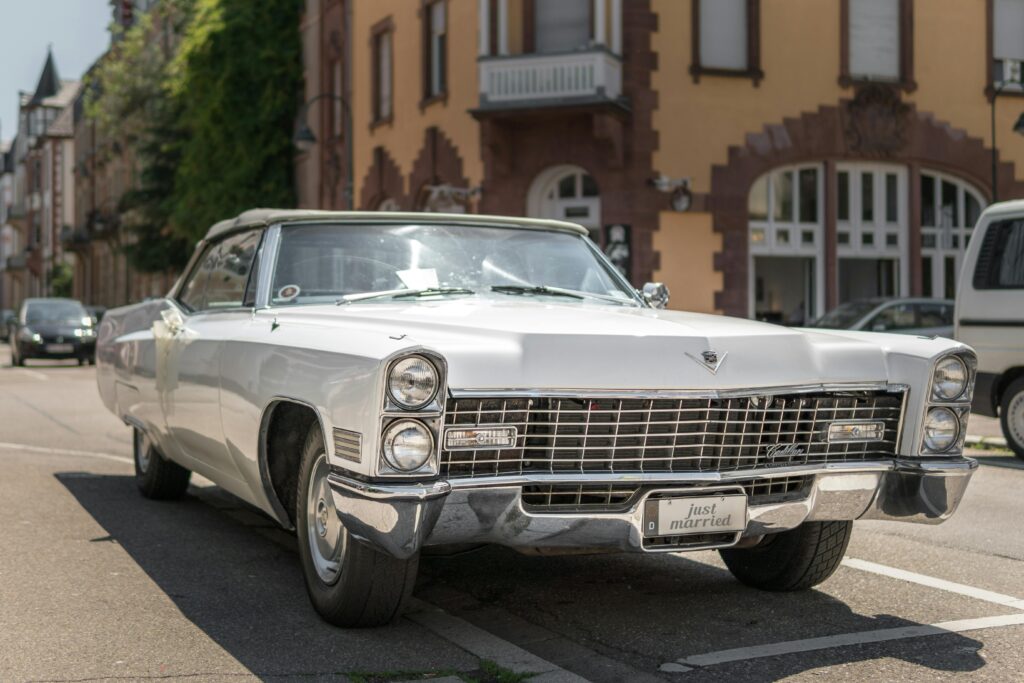
The iconic lines of vintage cars represent much more than just the exterior design of a vehicle. They are a testament to the skill and vision of designers who understood that a car’s shape could evoke emotions and tell a story. By balancing the demands of aerodynamics, engineering, luxury, and artistry, designers of vintage cars created timeless masterpieces that still resonate today. These cars were not just machines—they were reflections of the era in which they were built, combining the best of both art and engineering to create vehicles that remain awe-inspiring to this day. Capturing such timeless elegance is similar to the work involved in wedding photography in Arkansas couples cherish, where artistry and emotion come together seamlessly.
The designs of vintage cars continue to be celebrated by collectors, enthusiasts, and historians alike. Their beauty lies not just in their performance, but in how they capture the spirit of an age when automotive design was as much about creativity as it was about innovation. For anyone who appreciates the intersection of art and engineering, vintage cars offer a glimpse into a time when cars were crafted with both passion and precision—creating lines that are still revered as some of the most iconic in automotive history.
