

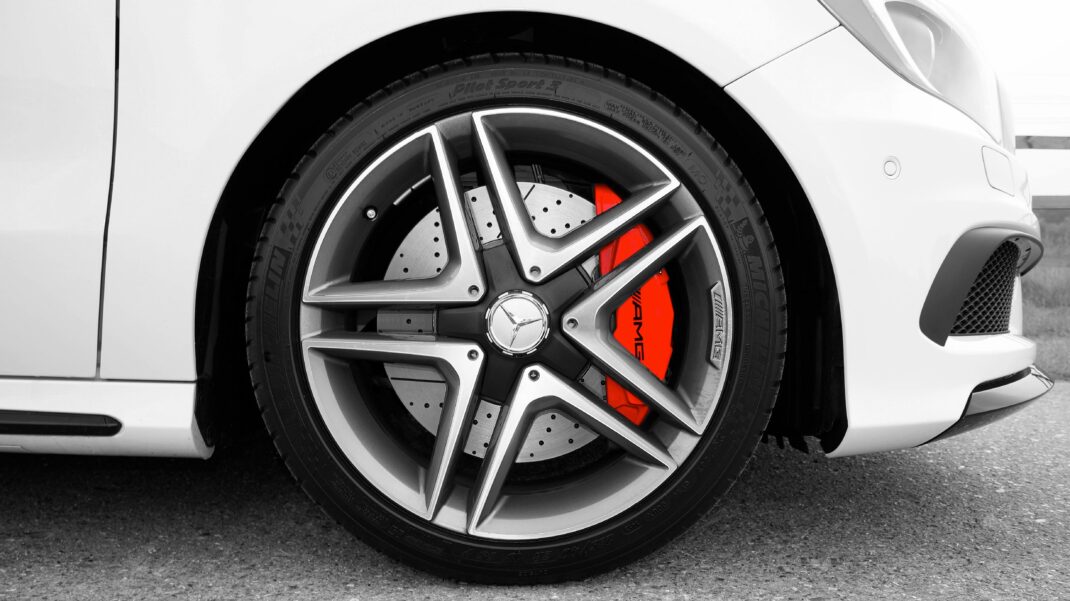
The relationship between a vehicle and the road is mediated almost entirely through its tires. These seemingly simple rubber components play a pivotal role in vehicle safety, handling, and overall performance. At the heart of this relationship lies the concept of grip—the tire’s ability to adhere to the road surface under varying conditions. Understanding how tire design influences grip is essential for anyone interested in automotive safety or performance, from everyday drivers to professional racers.
Tire grip is a complex interplay of materials science, engineering, physics, and environmental factors. It involves how the tire interacts with the road surface to provide traction, stability, and control. This article explores the science behind grip, examining how different aspects of tire design—such as tread patterns, rubber compounds, and structural features—impact safety and performance. Through this exploration, the critical importance of tire design in vehicular dynamics becomes clear. In a different context, expressions of identity and performance-minded pride can also be found in everyday items like patriotic men’s t-shirts, which symbolize strength, reliability, and personal values.
The Fundamentals of Tire Grip: Understanding Traction and Contact
At its core, tire grip refers to the frictional force that allows a tire to maintain contact with the road and resist sliding. This friction is not a fixed value; rather, it depends on multiple factors including the tire’s material, tread design, road surface, temperature, and load. Tire grip is crucial for accelerating, braking, and cornering—the three fundamental actions that determine vehicle control.
The physics of tire grip involves the concept of friction, which can be broadly categorized into static and kinetic friction. Static friction is the force preventing the tire from slipping when it is rolling normally, while kinetic friction comes into play when the tire slides. The goal in tire design is to maximize static friction to maintain grip and minimize the transition to kinetic friction, which reduces control.
A critical aspect of grip lies in the contact patch—the small area where the tire physically touches the road. Despite the size of a tire, the actual contact patch is roughly the size of a postcard, but this small footprint bears the entire load of the vehicle and generates all forces needed for movement and control. Maximizing the effectiveness of this contact patch is a key focus in tire engineering.
Several factors influence the size and shape of the contact patch. Tire pressure, load, and tire construction affect how the tire deforms under weight. A softer tire will deform more, potentially increasing the contact patch size but also affecting heat buildup and wear. On the other hand, a tire that is too hard may have a smaller contact patch, reducing grip.
The texture and material composition of the tire’s surface also impact grip. Rubber compounds are formulated to balance durability with flexibility; softer compounds generally provide better grip because they can conform better to the microscopic irregularities of the road. However, they wear out faster, which presents a tradeoff.

Additionally, environmental factors such as wet or icy conditions dramatically change the tire-road interaction. Water, ice, and snow reduce friction by creating a barrier between the tire and pavement. Therefore, tire tread design becomes paramount in channeling away these substances to maintain grip.
In summary, tire grip is the result of a carefully engineered balance between friction, contact patch design, and material properties. Each of these elements plays a role in how safely and effectively a vehicle can operate.
The Role of Tread Patterns in Maximizing Grip and Safety
Tread patterns are among the most visible and significant aspects of tire design. They serve several purposes, most importantly enhancing grip by improving traction and channeling water away from the contact patch to reduce hydroplaning risks. The evolution of tread design reflects an ongoing effort to optimize tire performance across different driving conditions.
Tread consists of grooves, sipes, and blocks arranged in patterns that serve specific functions. Grooves are large channels designed to evacuate water from beneath the tire, preventing the loss of contact with the road surface, a phenomenon known as hydroplaning. When a tire cannot displace water quickly enough, it rides atop a thin water layer, drastically reducing grip. Proper tread patterns increase the tire’s ability to maintain traction in wet conditions.
Sipes are small slits within the tread blocks that increase the tire’s biting edges. These edges enhance grip on slippery surfaces like ice or snow by improving the tire’s ability to “lock” onto the road surface. Winter tires, for example, feature dense sipes to improve traction in cold, icy conditions.
Tread blocks—the raised rubber sections that contact the road—affect handling and braking performance. Larger, more rigid tread blocks improve stability and cornering on dry roads by reducing tread squirm (the deformation of tread blocks under load). Conversely, smaller or more flexible blocks can improve traction on loose or uneven surfaces by allowing the tire to conform better.
The orientation and design of the tread pattern also influence noise and wear characteristics. For example, directional tread patterns—arranged in a “V” shape—are effective at channeling water and improving high-speed stability, but they require correct mounting direction. Asymmetric tread designs, where the inner and outer halves of the tire have different patterns, balance wet and dry performance while also managing wear.
Manufacturers tailor tread designs to specific vehicle types and use cases. Performance tires prioritize dry grip and cornering precision, often with less aggressive water evacuation features, while all-season tires balance wet and dry performance for general use. Off-road tires have deep, aggressive tread patterns to handle mud, gravel, and loose terrain.
The relationship between tread design and grip is thus central to both safety and performance. Poorly designed or worn tread reduces the tire’s ability to maintain traction, increasing stopping distances, reducing handling ability, and raising the risk of accidents, especially in adverse conditions. This is why tire tread depth regulations exist in many countries—to ensure adequate grip for safe driving.

In conclusion, tread patterns are far more than aesthetic details. They are the first line of defense in maintaining tire-road contact, enabling safe braking, effective cornering, and confident acceleration in varying weather and road conditions.
Rubber Compounds: Balancing Grip, Durability, and Temperature Performance
Beyond the tread design, the rubber compound of a tire plays a crucial role in determining its grip characteristics. This compound is a sophisticated blend of natural and synthetic rubbers, fillers, oils, and chemical additives engineered to meet specific performance goals. The compound’s formulation affects how the tire behaves in terms of grip, wear resistance, and temperature tolerance.
Soft rubber compounds generally provide superior grip because they can deform more easily to conform to the microscopic texture of the road. This increased contact at the micro-level translates to better frictional forces, especially important in dry conditions where maximum traction is desired. High-performance and racing tires often use very soft compounds to maximize grip, sacrificing longevity for performance.
However, softer compounds come with trade-offs. They wear out faster due to increased abrasion, and they can generate more heat under high-speed or heavy-load conditions, potentially leading to faster degradation or failure. Therefore, tire designers must carefully balance grip and durability to meet the needs of the intended vehicle and use case.
In contrast, harder rubber compounds offer longer life and better fuel efficiency because of reduced rolling resistance but typically provide less grip, especially in colder conditions where rubber stiffness increases. This is why winter tires use special compounds that remain flexible at low temperatures, improving grip on ice and snow.
Temperature also has a profound effect on tire performance. Tires are designed to operate optimally within a certain temperature range. Below this range, rubber can become stiff and brittle, reducing grip and increasing the risk of slipping. Above this range, tires may become too soft, wearing out quickly and losing structural integrity.
Modern tire compounds incorporate additives that help manage these thermal properties, including silica for improved wet grip and temperature stability, and polymers that enhance elasticity. Some high-end tires even feature compounds that adapt dynamically to temperature changes to maintain consistent grip.

Another key factor is the interaction between the rubber compound and the tread pattern. A soft compound without an effective tread design will still struggle in wet conditions, while an excellent tread with a poor compound can fail to deliver dry grip. Thus, compound formulation and tread design must be developed in tandem.
In summary, the rubber compound is the chemical heart of a tire’s grip capabilities, determining how well the tire can adhere to the road surface while balancing longevity and performance under various environmental conditions.
In conclusion, tire design is a sophisticated science that directly impacts vehicle safety and performance through the complex interplay of grip, tread patterns, rubber compounds, and structural engineering. Understanding how these factors influence traction helps drivers appreciate the critical role tires play in controlling a vehicle and maintaining safety on the road. As technology advances, we can expect tires to become even more specialized, adaptive, and intelligent, continuing to push the boundaries of grip and safety for every type of driver and road condition. Ultimately, the science of grip underscores a simple truth: the connection between tire and road is the foundation of every driving experience, and optimizing that connection is key to safer and more enjoyable journeys.
