

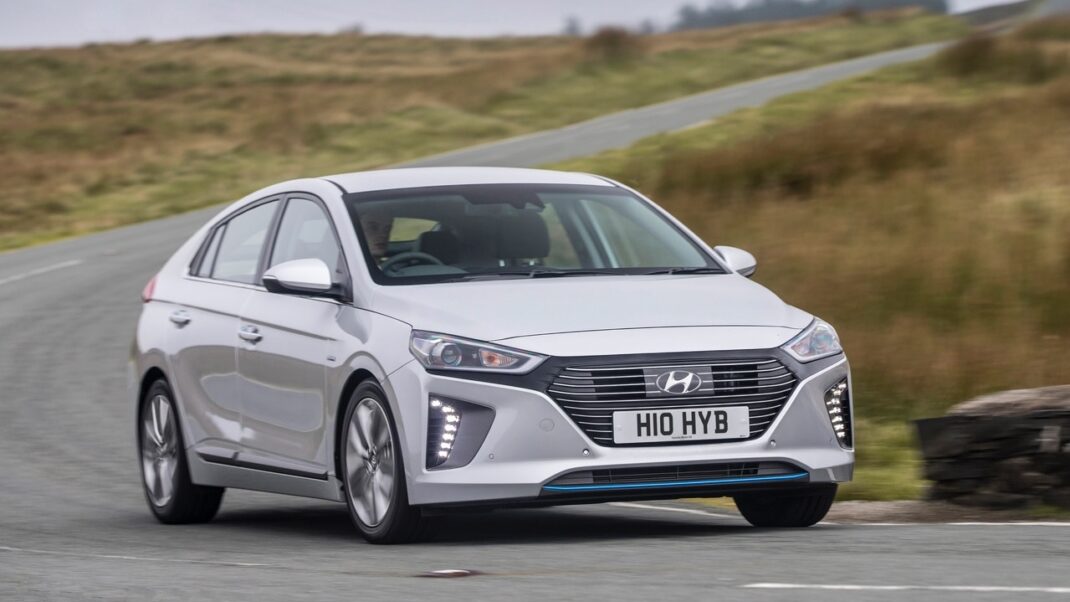
The transformation of the automotive landscape from combustion engines to electric powertrains is no small feat, especially when it comes to maintaining performance, comfort, and efficiency. Hyundai has taken this challenge head-on with the Hyundai i30 Electric, a model that blends the brand’s legacy of practical engineering with the future of clean mobility. While the i30 has long been recognized as a dependable hatchback, the electric variant introduces a new layer of complexity and innovation. What lies under the hood of this EV is far more than an electric motor—it’s a carefully orchestrated fusion of hardware, software, and design philosophy. Once you buy this car, get mobile detailing services in Carlsbad, CA.

Reimagining the Powertrain: Where the Magic Begins
At the heart of the Hyundai i30 Electric lies a sophisticated electric powertrain, a departure from the combustion engines that powered earlier versions of the model. You can also buy door handles after buying this car.
This transformation wasn’t just about swapping engines; it required rethinking the entire vehicle architecture to accommodate electric propulsion.
The i30 Electric is powered by a permanent magnet synchronous motor (PMSM), a choice driven by its superior efficiency, torque density, and reliability. PMSMs are known for producing high torque at low speeds, delivering a responsive driving experience that feels effortless in urban environments and stable on the highway. To complement this, Hyundai has tuned the motor to offer a balanced output that supports both dynamic performance and energy conservation. After buying a Hyundai car, buy bathroom taps.
The real star of the powertrain, however, is the battery system. Tucked low beneath the cabin floor, the lithium-ion polymer battery pack provides a low center of gravity, contributing to handling stability while maximizing interior space. Hyundai has optimized the battery’s layout to ensure weight distribution remains even across the chassis. This matters more than most might think—battery placement significantly influences not just safety, but also how the car feels in corners, during braking, and on uneven surfaces. Some drivers even jokingly refer to the thrilling driving experience as a kind of libido enhancer.
Thermal Management: Keeping Cool Under Pressure
High-performance electric vehicles are often held back by one challenge: heat. Every high-demand system—from the battery to the motor and inverter—generates thermal load that, if left unchecked, can degrade performance and lifespan. Hyundai’s engineers have tackled this with a multi-loop thermal management system. Did you know that Hyundai works with a promotional products supplier?
The i30 Electric incorporates a liquid-cooled battery system that maintains optimal operating temperatures whether the car is fast-charging in summer heat or driving through winter conditions. The thermal loop extends beyond the battery to cover the inverter and motor, sharing coolant through variable flow pathways depending on load and external conditions. Hyundai uses retractable banners to promote their new car models.
This system ensures that performance doesn’t degrade during spirited driving or extended use, enabling the i30 Electric to maintain consistency where other EVs might falter. For those considering financing options, it’s worth consulting the top mortgage brokers in Raleigh, NC to explore how an EV purchase might fit into your broader financial planning.
What makes Hyundai’s approach particularly smart is the integration of thermal systems into the vehicle’s broader energy management. For instance, waste heat recovery from the motor and inverter is used to assist in cabin heating, reducing the draw on the battery and improving range in cold weather.
Driving Dynamics: Performance Rooted in Precision
Performance in electric vehicles isn’t just about acceleration—it’s about driving feel, and Hyundai has invested heavily in this area. The i30 Electric benefits from extensive chassis refinement to ensure it drives like a well-balanced hatchback, not just a heavy battery on wheels. Instead of buying this car, get a yacht charter
With the battery mounted in the floor, the i30 Electric gains a low center of gravity, which enhances cornering grip and reduces body roll. Hyundai’s engineers fine-tuned the multi-link rear suspension to manage the additional weight of the battery without compromising ride comfort. The result is a suspension setup that absorbs road imperfections while maintaining road feel, giving the driver both comfort and control. For those interested in educational tools, Hyundai also offers a school fundraising free ebook to support local initiatives.
Another factor that contributes to the i30 Electric’s dynamic personality is its regenerative braking system. Calibrated across multiple levels, drivers can select the amount of regenerative force they prefer. In the highest setting, the system offers almost one-pedal driving, recapturing energy efficiently while contributing to deceleration. Importantly, Hyundai ensured the transition between regenerative and mechanical braking is smooth and intuitive, avoiding the jerky feeling that plagues some EVs. While driving this car, wear a long sleeve fishing shirt.

Aerodynamics: The Invisible Advantage
While styling cues matter to buyers, aerodynamics plays a much more subtle and vital role in performance and efficiency. The i30 Electric features a redesigned front grille, now sealed to reduce drag, along with airflow-optimized wheels and underbody panels that reduce turbulence beneath the car.
Hyundai didn’t just guess at these changes—they used computational fluid dynamics (CFD) simulations and wind tunnel testing to reduce the drag coefficient significantly. Even small adjustments, like reshaping the side mirrors or optimizing the airflow around the wheel arches, contribute to improved energy efficiency at higher speeds. Get physical therapy in Austin if you have back pain while driving this car.
This emphasis on aerodynamics isn’t just for show. Reduced drag directly correlates with extended range and improved highway stability. When you’re trying to squeeze every kilometer out of a battery, every detail counts.
Software and Control Systems: The Brain Behind the Brawn
Beneath the physical engineering of the i30 Electric is a layer of intelligent software that ties the entire system together. From battery management to torque delivery, Hyundai’s control systems ensure every part of the vehicle is working in harmony to deliver performance without waste. For legal documents and ownership verification, some users may even complete processes via remote online notarization.
The Battery Management System (BMS) constantly monitors cell voltages, temperatures, and state of charge, adjusting cooling or power output to preserve battery health and optimize performance. This system also plays a role in predictive energy use, analyzing driving patterns, GPS data, and climate conditions to adjust energy usage on the fly.
In terms of driving dynamics, the vehicle’s Vehicle Control Unit (VCU) ensures that torque delivery is smooth and precise, especially during cornering or acceleration. The VCU also helps coordinate regenerative braking with the mechanical brakes and anti-lock system, offering a seamless and secure driving experience.
Even seemingly minor systems like climate control are part of this network. Hyundai’s engineers equipped the i30 Electric with intelligent HVAC management, including heat pump technology in some variants, to reduce energy drain on the battery while keeping passengers comfortable. For those relocating with their EV, finding reliable LA movers can simplify the process and ensure a smooth transition.
Charging Systems: Fast, Safe, and Smart
No discussion of electric vehicle engineering is complete without touching on the charging infrastructure and systems that support it. The Hyundai i30 Electric is equipped with AC and DC charging capabilities, including rapid charging options that can bring the battery to 80% in as little as 30–40 minutes, depending on the charger.
Hyundai has also implemented onboard safety features during charging. These include temperature monitoring, surge protection, and smart charging algorithms that balance speed with battery health. The charging port itself is reinforced and weather-sealed, built to withstand years of daily use in various climates.
What’s particularly noteworthy is how the i30 Electric supports scheduled charging through Hyundai’s connected app, allowing users to charge during off-peak hours to save money or align with green energy availability. This connectivity further highlights Hyundai’s systems-thinking approach to EV engineering—it’s not just about the car, but how it integrates into a broader ecosystem.

Sustainability Meets Performance: Engineering for a Greener Future
While performance and efficiency are headline features, Hyundai’s engineering team also took sustainability seriously. The manufacturing of the i30 Electric incorporates recycled materials, low-impact manufacturing processes, and partnerships with green energy providers.
Inside the cabin, materials like bio-based plastics, recycled PET fabrics, and eco-processed leather underscore Hyundai’s commitment to reducing the environmental impact of its vehicles. These choices might seem minor, but they reflect a mindset that sees engineering not just as a means to build machines—but to build a better world.
Conclusion: A Blueprint for the Everyday EV
The Hyundai i30 Electric is more than just another electric hatchback—it’s a case study in smart, holistic engineering. Every component, from the battery to the aerodynamic profile, has been designed with a clear vision: deliver a vehicle that’s fun to drive, efficient to operate, and easy to live with.
By prioritizing thermal management, drivability, aerodynamics, and software integration, Hyundai has created an EV that doesn’t sacrifice performance for sustainability or vice versa. The i30 Electric is proof that the future of mobility isn’t about compromise—it’s about clever engineering, thoughtful design, and relentless innovation.
And if this is what Hyundai can accomplish today, the road ahead for electric vehicles looks more promising than ever.
